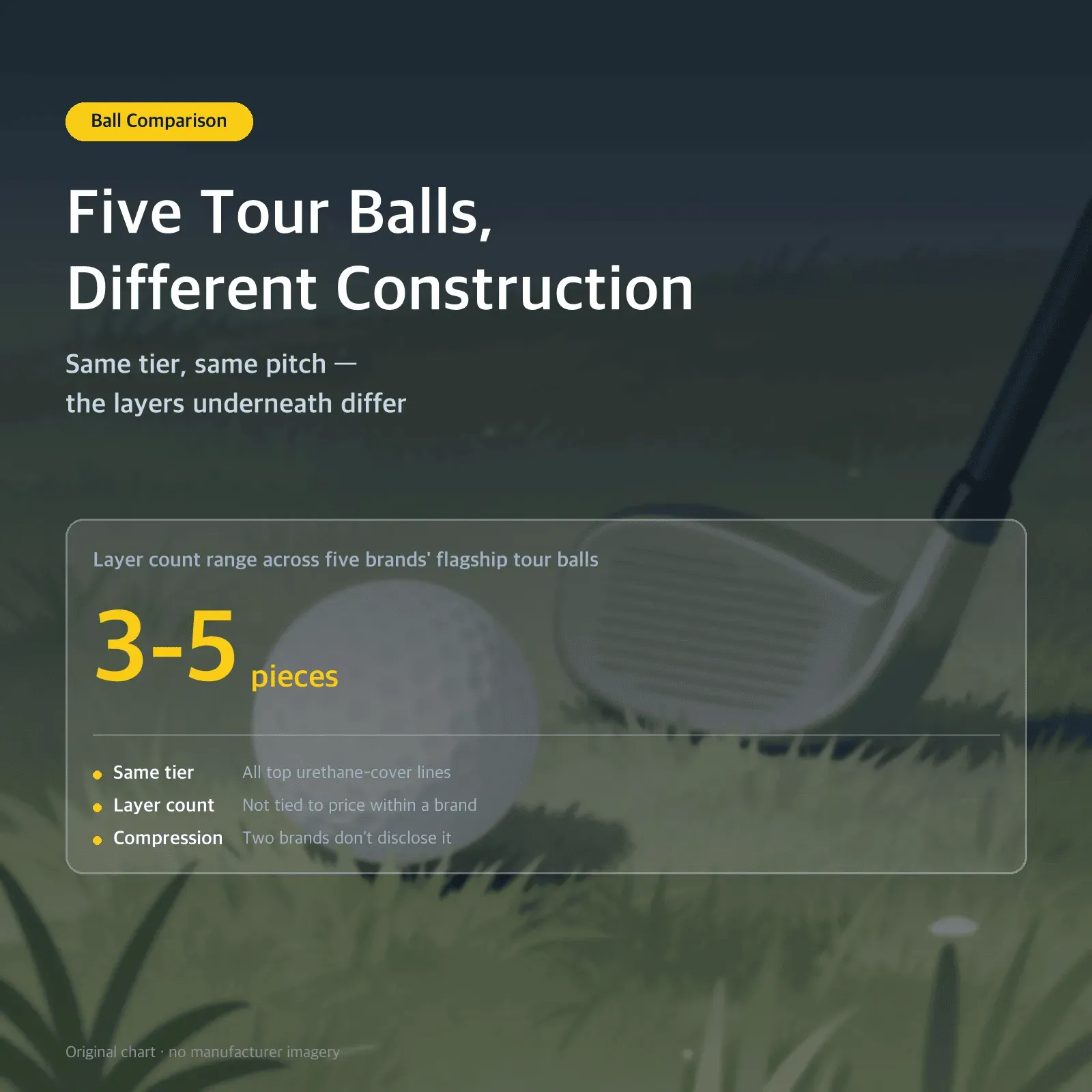
5 Tour Ball Lines: Same Tier, Different Build
Titleist, TaylorMade, Callaway, Srixon, and Bridgestone all sell a flagship tour ball. Layer counts and compression differ more than marketing suggests.
13 posts
Titleist, TaylorMade, Callaway, Srixon, and Bridgestone all sell a flagship tour ball. Layer counts and compression differ more than marketing suggests.
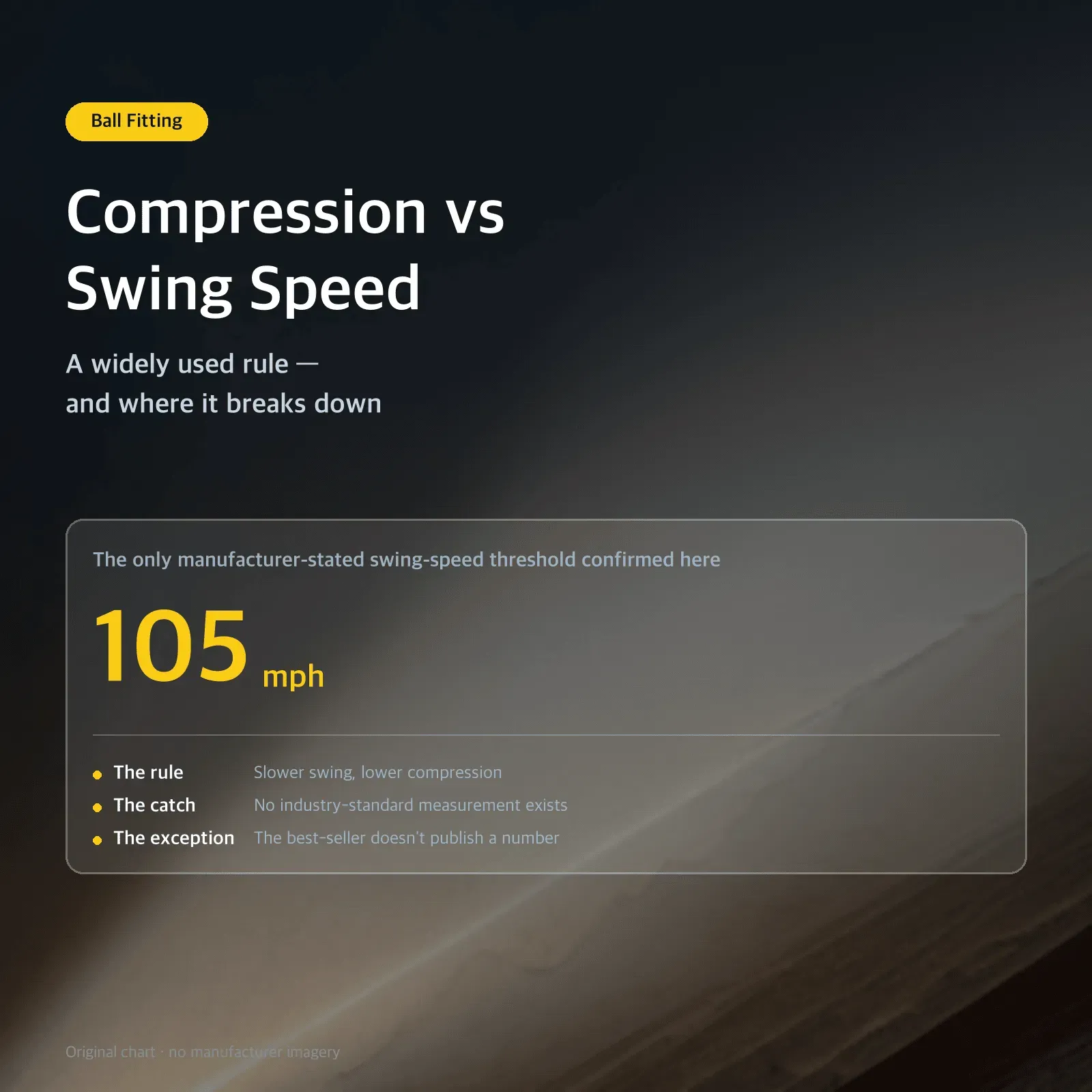
Manufacturers disagree on whether swing speed should drive compression choice. Here's where the speed-to-compression chart holds up, and where it fails.
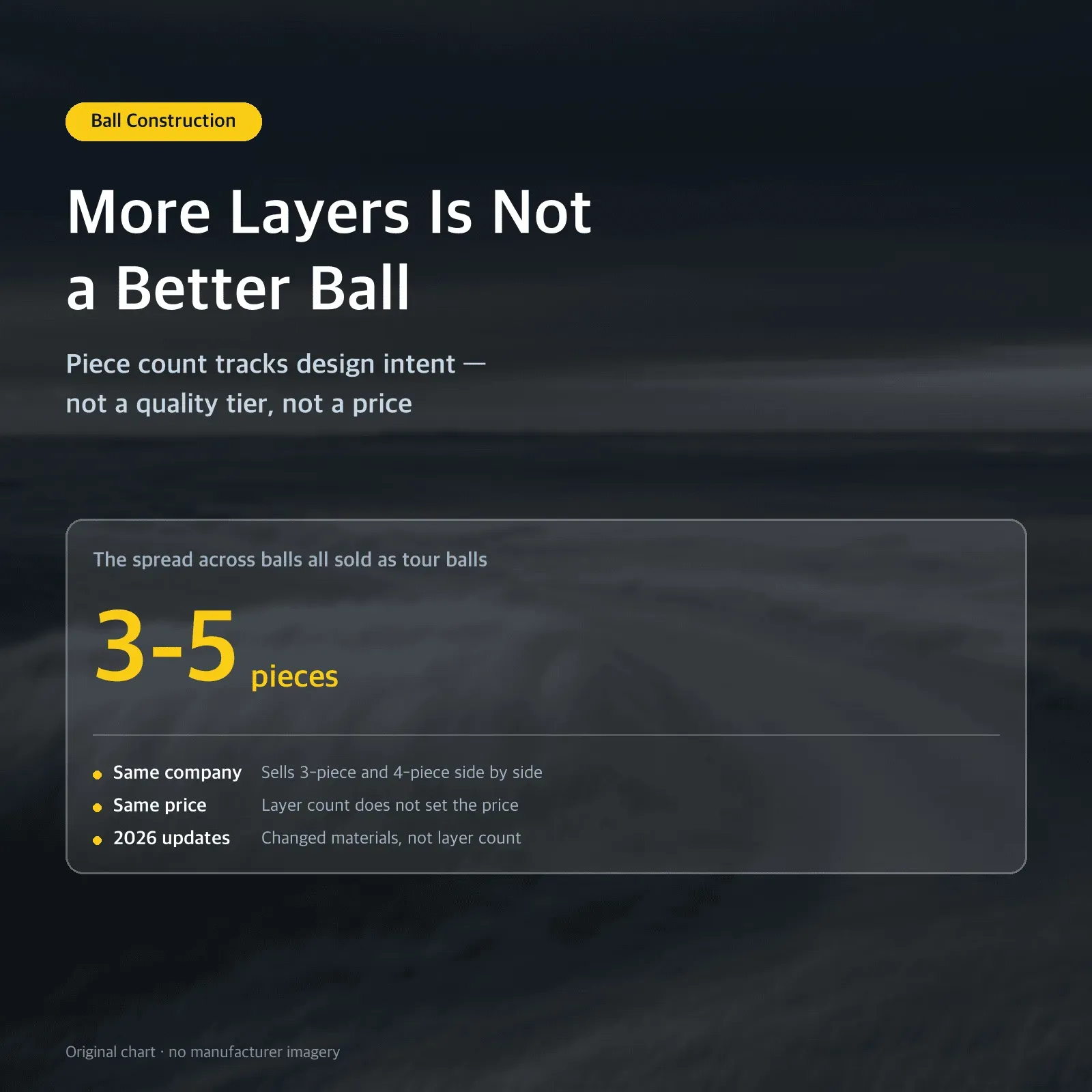
Boxes advertise 3-piece or 5-piece as a quality tier. Lining up current tour balls shows layer count tracks design intent, not price or rank.
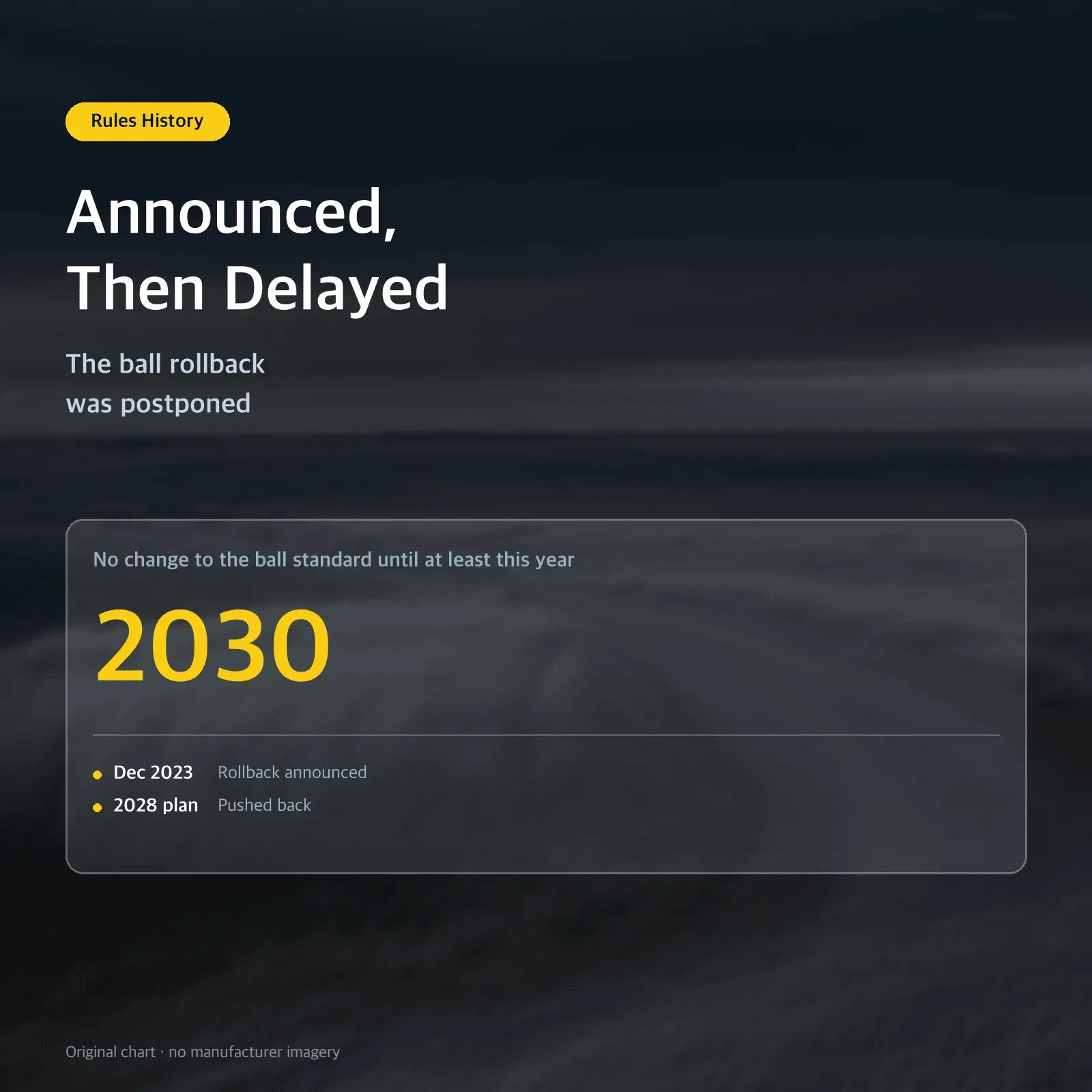
In December 2023 golf's governing bodies set a 2028 date for rolling back ball distance. In June 2026 they merged it into 2030 and reopened the question.
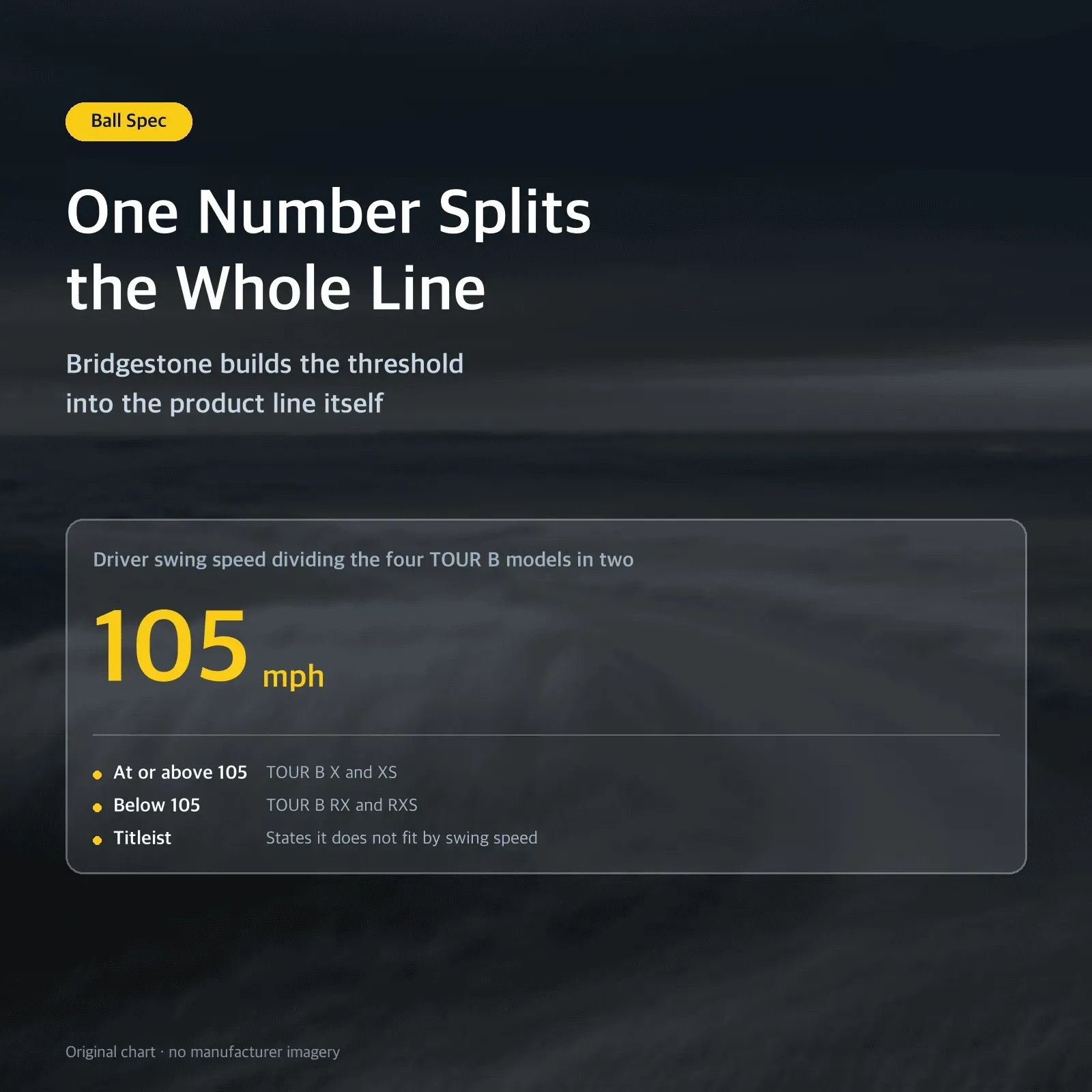
Most makers publish compression without drawing a speed line. Bridgestone splits its four-model TOUR B lineup at a stated 105 mph threshold.
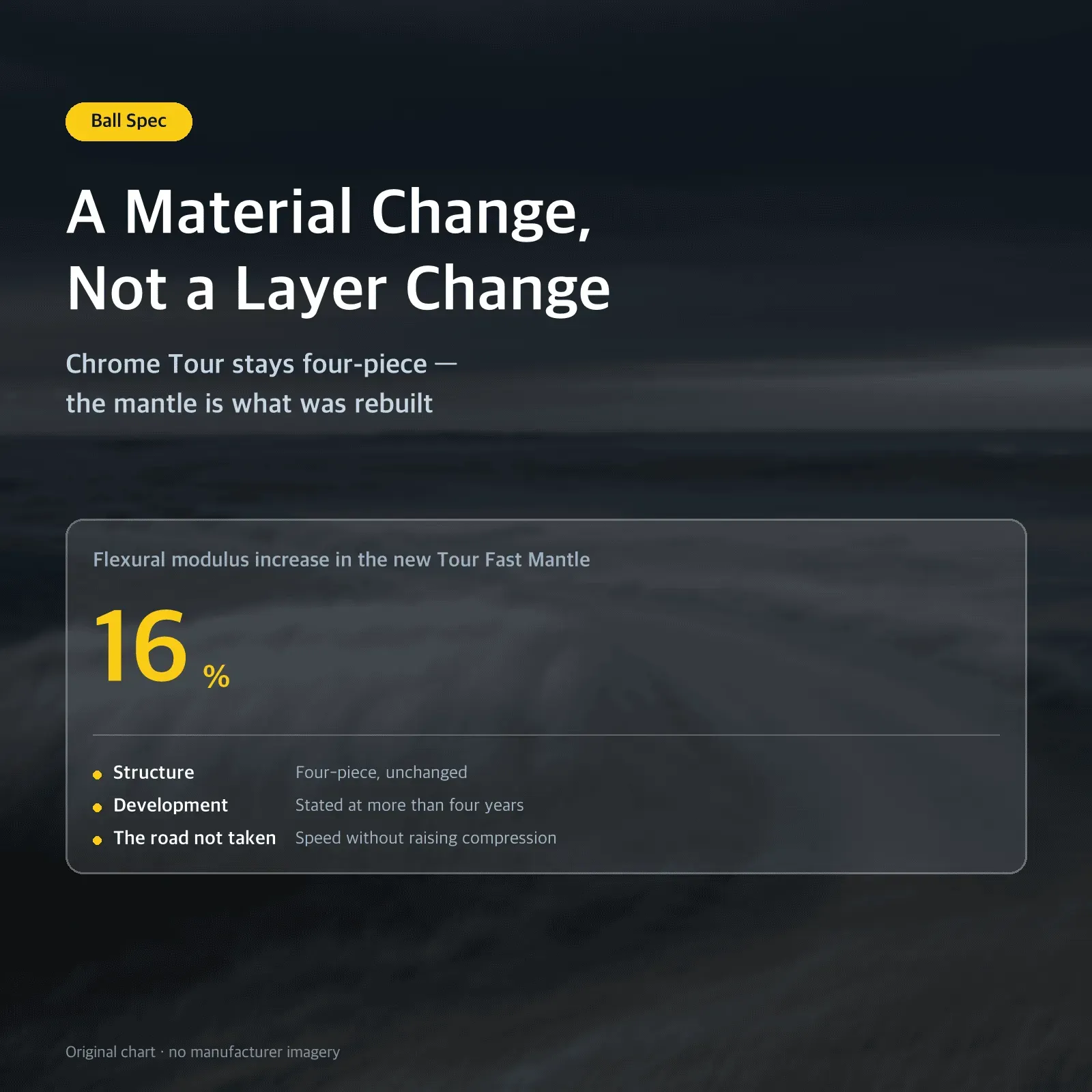
Callaway's 2026 Chrome Tour stays four-piece. What changed is the mantle material, a stiffness increase the company says took over four years.

Two centuries ago, a golf ball often cost more than a club. Understanding how the featherie was made explains why.
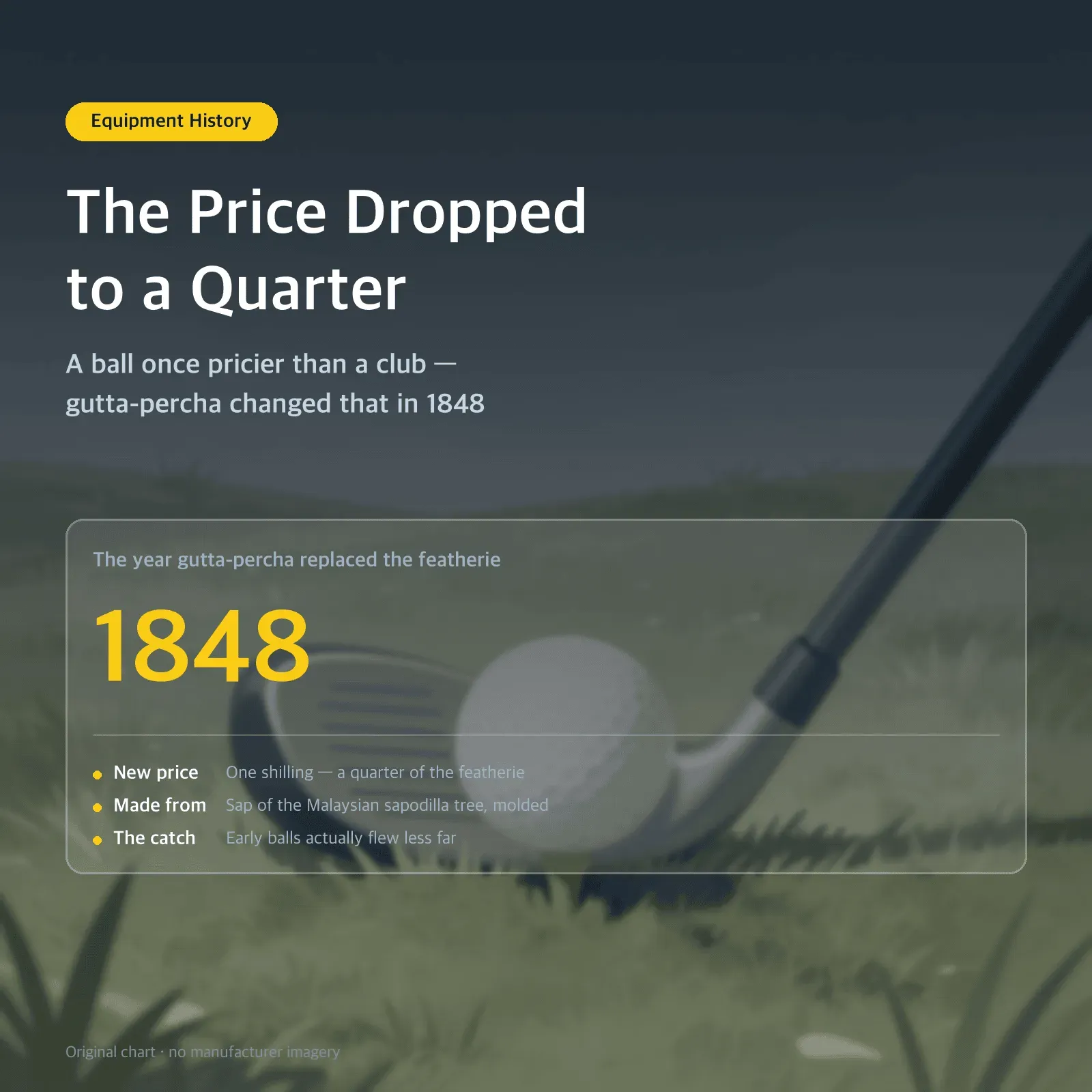
The gutta-percha ball cut the price of playing to roughly a quarter. What that did to who could play, and how quickly the change spread.
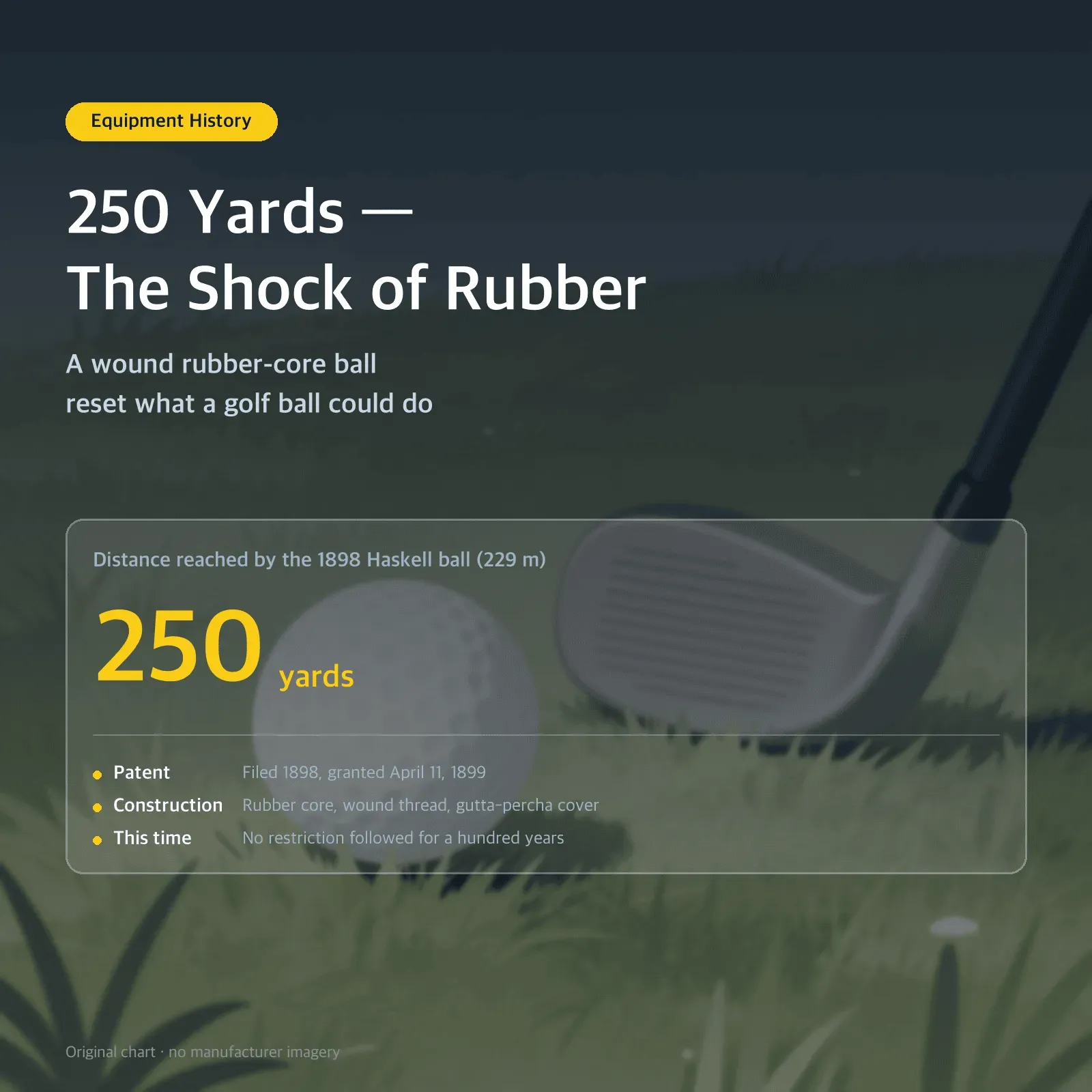
In 1898 a wound rubber-core ball flew 250 yards and reset what a ball could do — yet unlike earlier distance jumps, it drew no rule for a century.
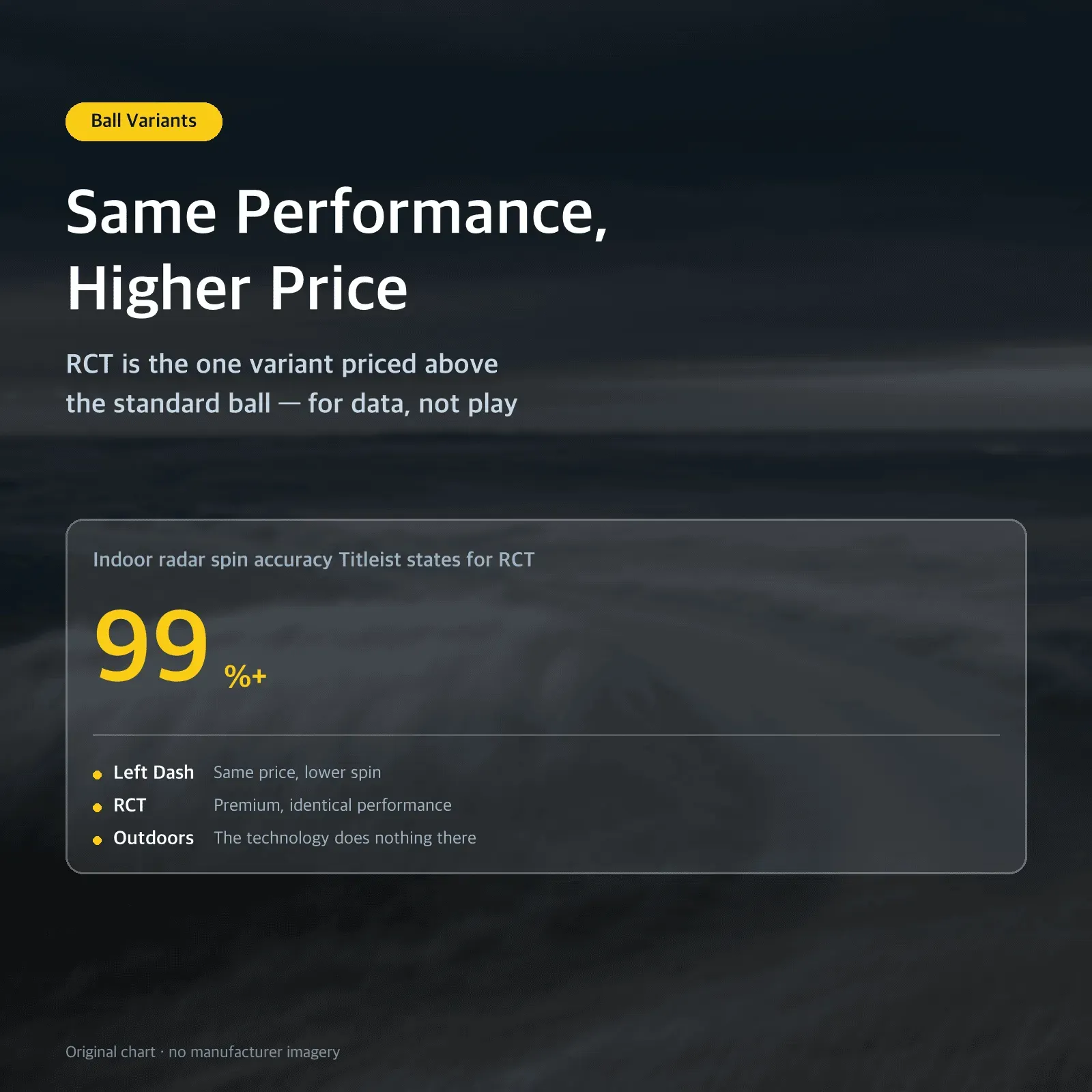
Left Dash costs the same as a standard Pro V1x, but RCT costs more for a ball Titleist says performs identically. What each variant changes.
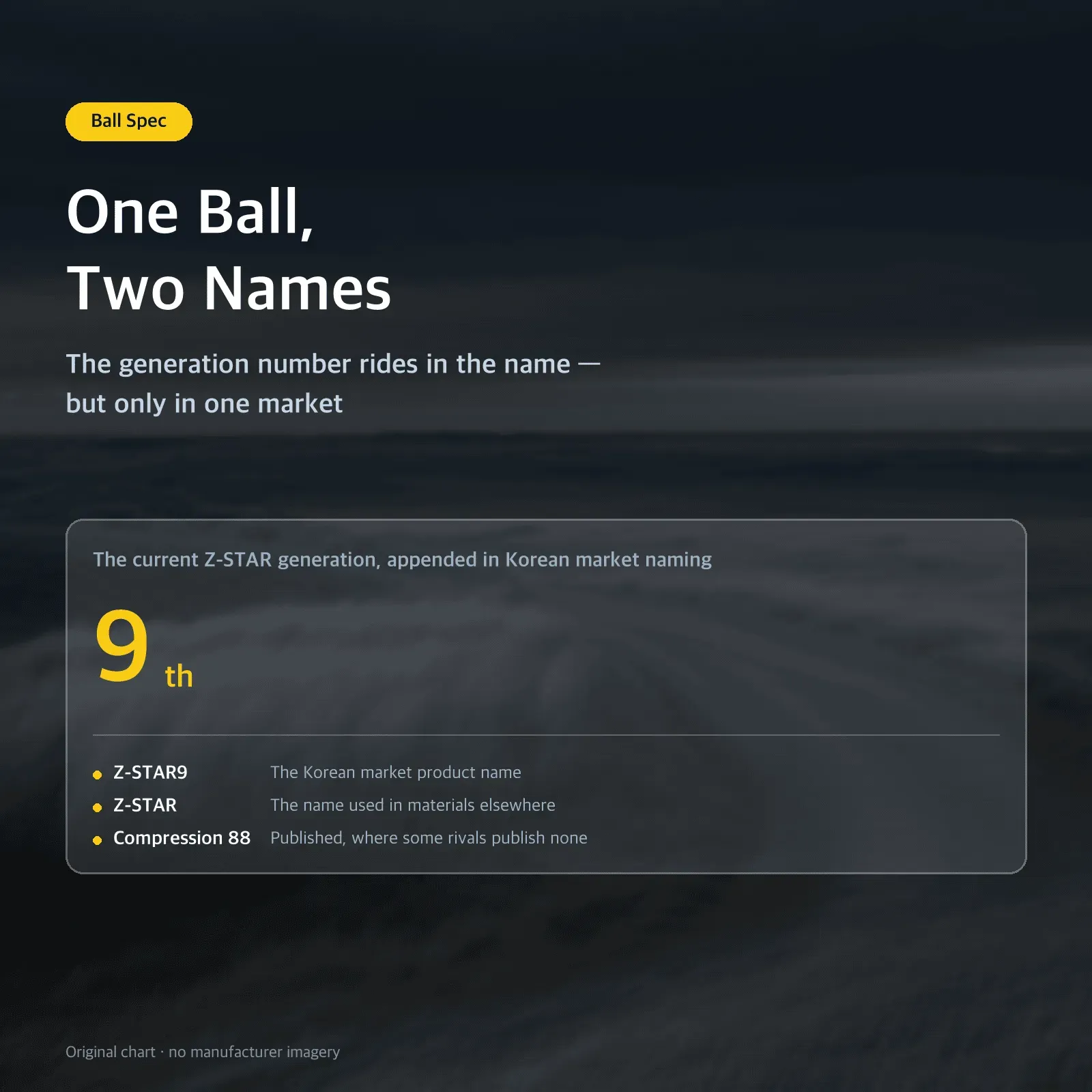
Srixon's ball is sold in Korea as Z-STAR9 and in global materials as Z-STAR. Same ball, different naming, plus what changed this generation.
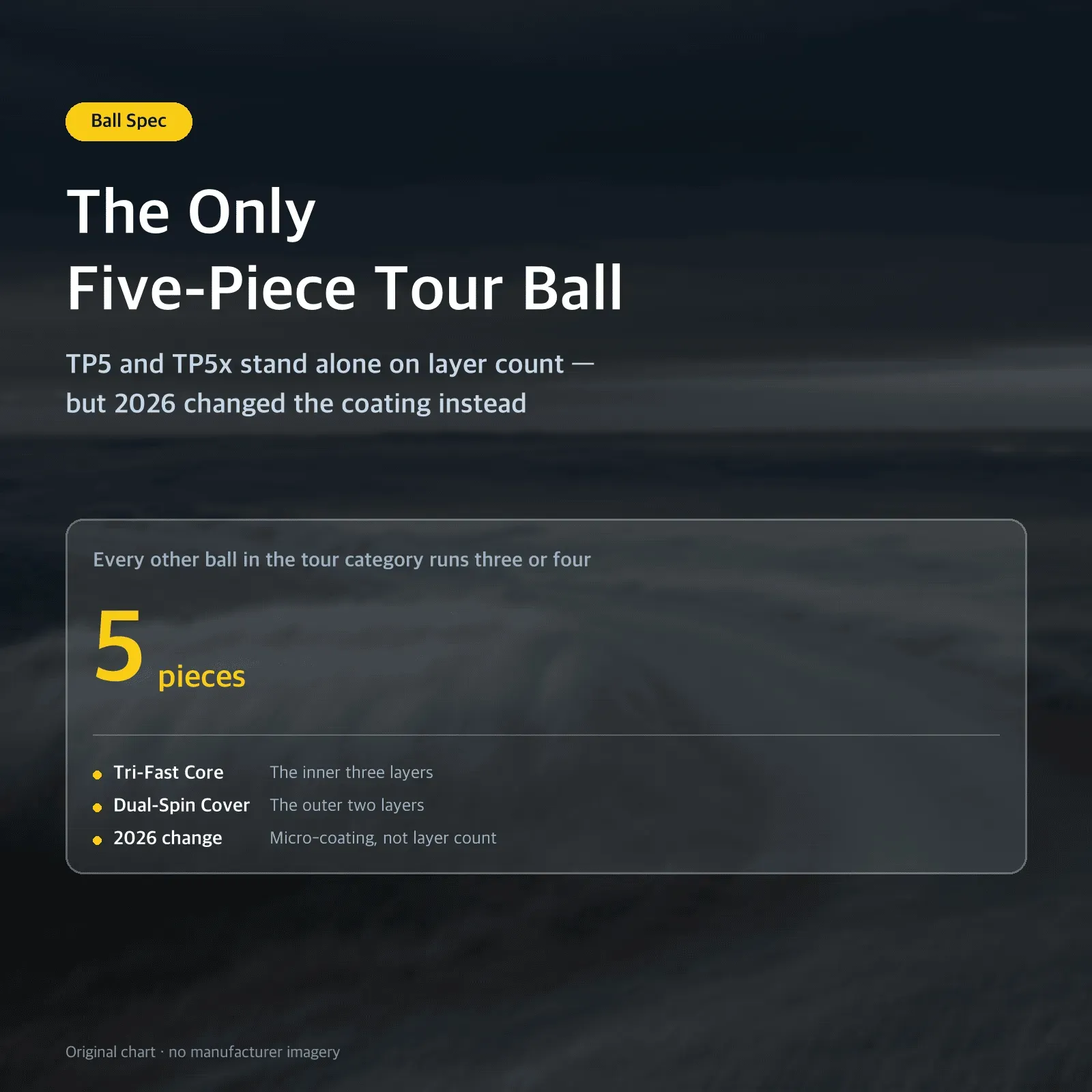
TP5 and TP5x are the only five-piece balls in the tour category. The 2026 update changed the coating, not the layer count.
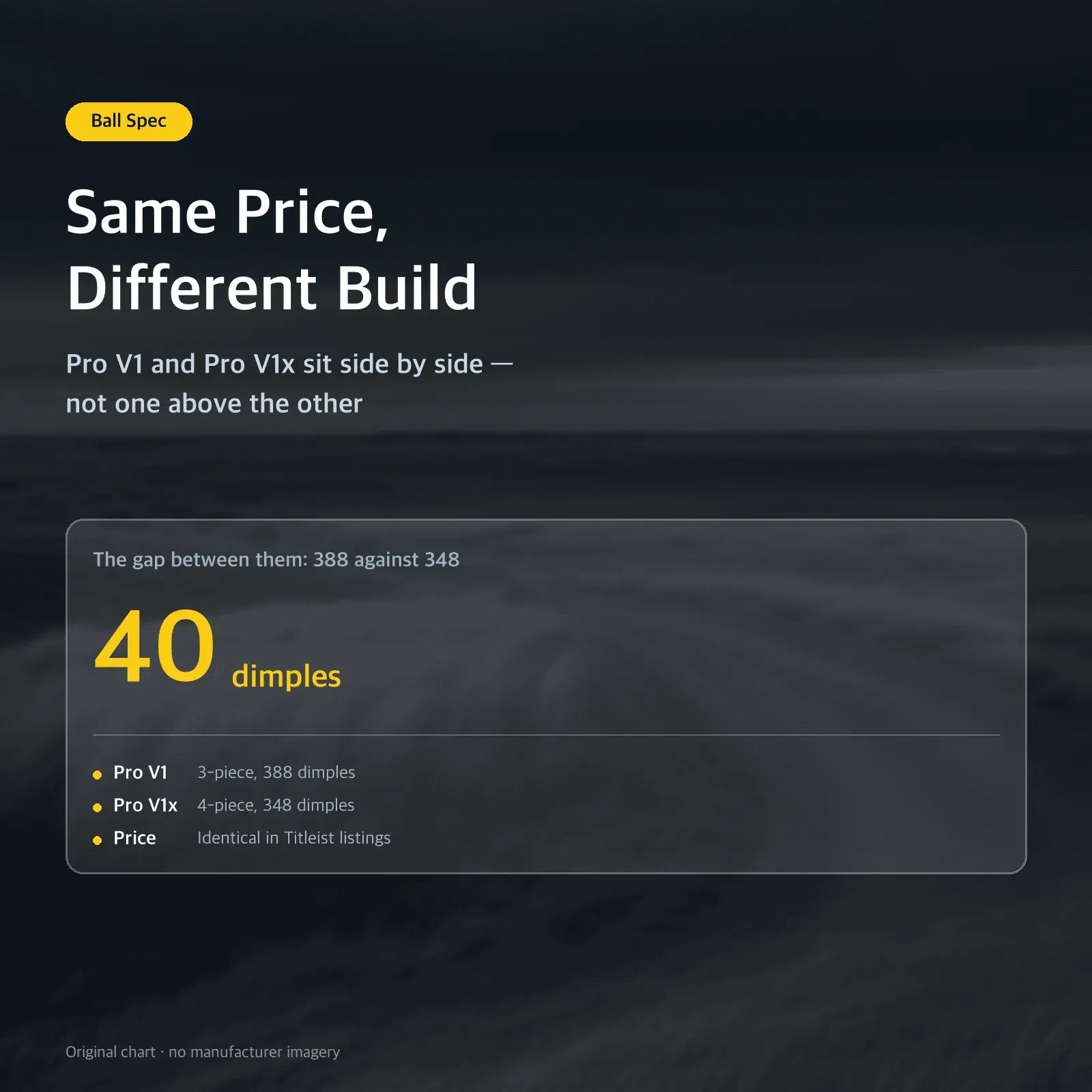
Pro V1 and Pro V1x read as an upgrade pair, but Titleist prices them the same. The difference is layer count and dimple pattern, not rank.