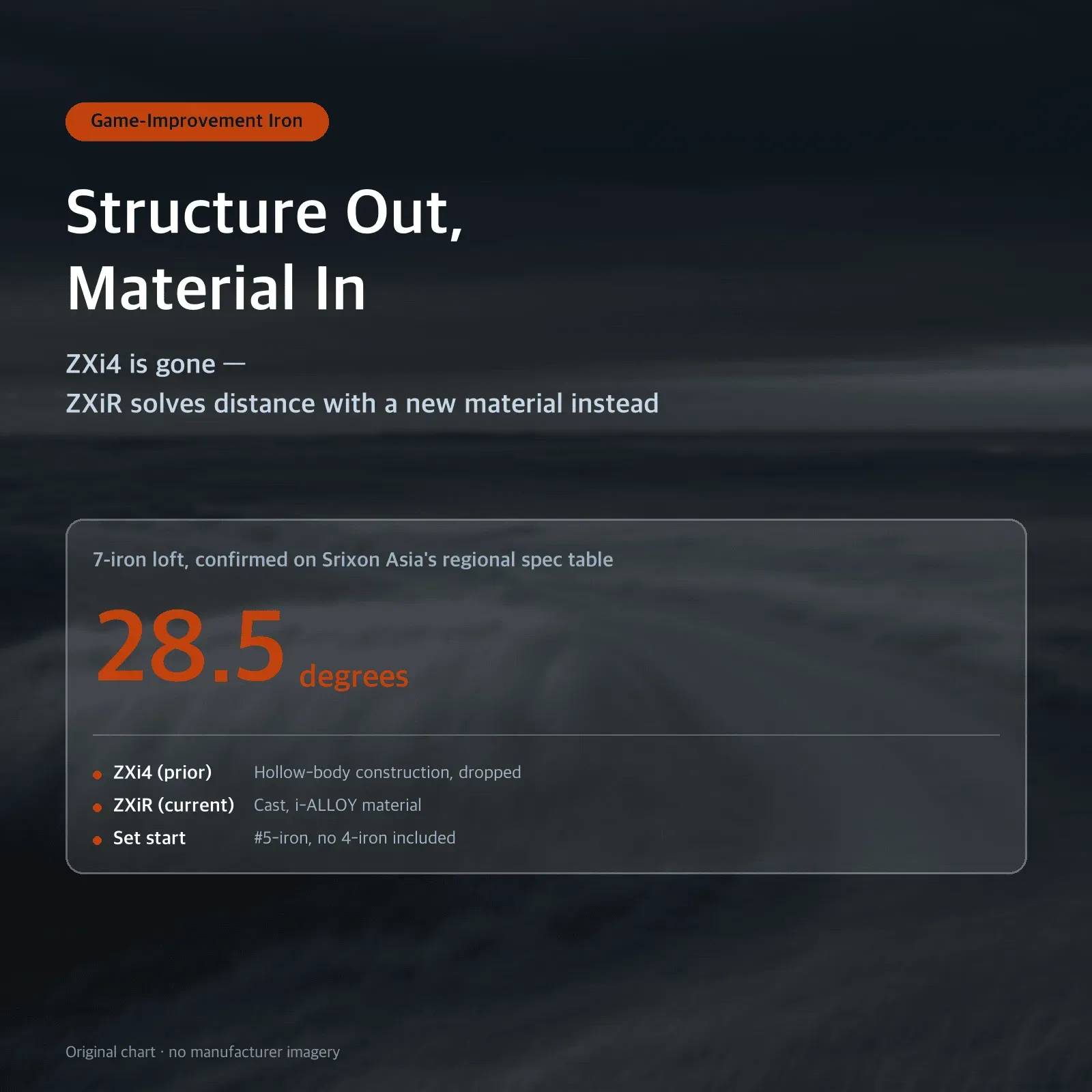
Srixon ZXiR: Where ZXi4 Left Off, New Material
Srixon's ZXi4, a hollow-body iron, dropped from the lineup. Its replacement, ZXiR, adds distance via a new material instead of a hollow structure.
Page 7 / 12
Srixon's ZXi4, a hollow-body iron, dropped from the lineup. Its replacement, ZXiR, adds distance via a new material instead of a hollow structure.

Steel shafts became legal under the USGA in 1924 but not the R&A until 1929. The five-year gap is a case study in how golf's two rule bodies diverge.

Some 1744 provisions vanished as equipment and courses changed. Others, dealing with fairness, are essentially unchanged 282 years later.
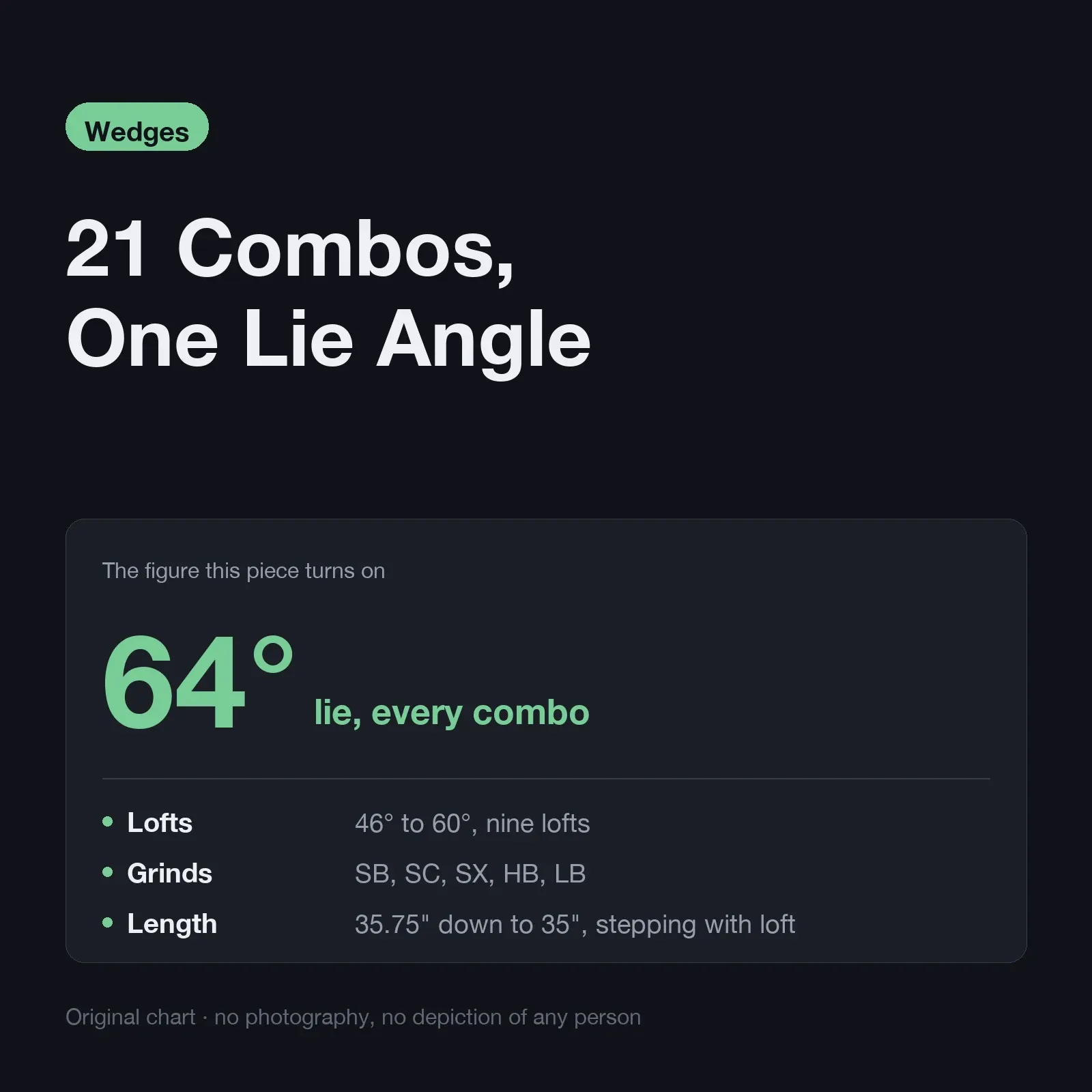
TaylorMade MG5 spans 21 combos across five grinds — and the published table shows lie is a flat 64 degrees on every one of them.
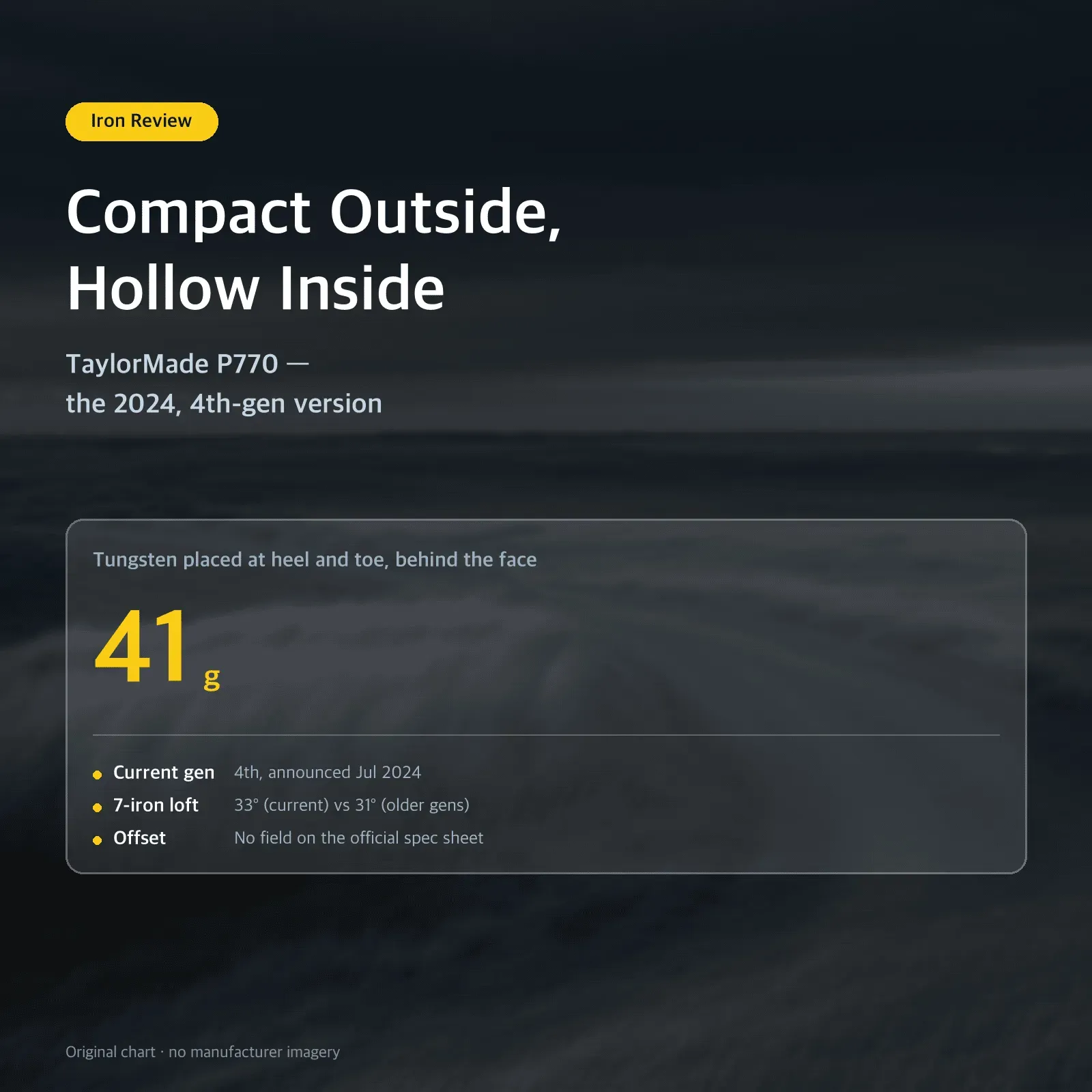
P770 looks like a pure player iron, but it is hollow with tungsten inside. See the confirmed specs and the 2-degree loft gap between generations.
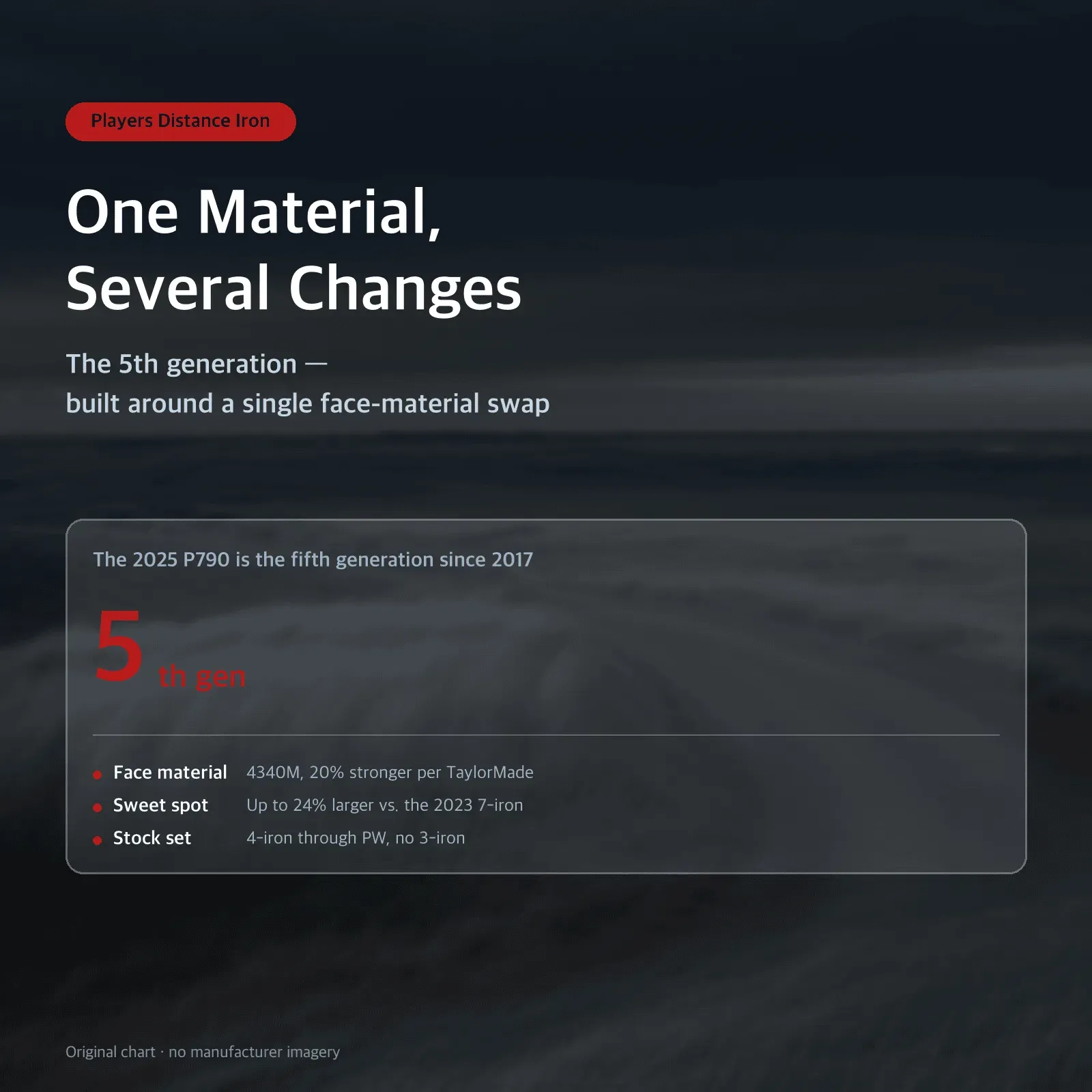
The P790 popularized the 'players distance iron.' The 2025 5th-gen changed one thing at its core — face material — and that pulled several others with it.
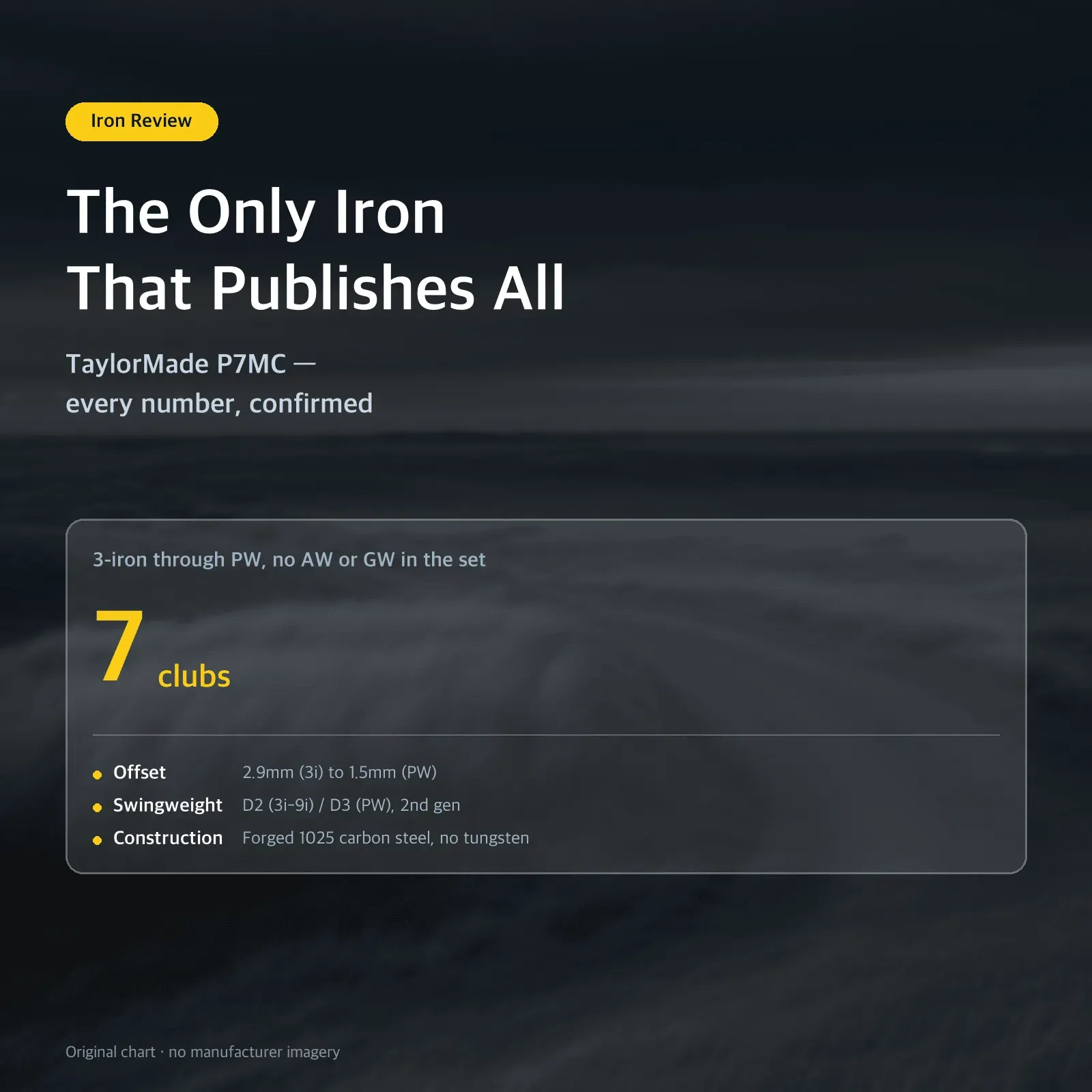
P7MC specs online mix two generations with conflicting claims. This piece separates what is confirmed on official spec sheets from what is not.

Overlay TaylorMade's official P7MC, P770, and P790 spec sheets and one pattern emerges: the loft gap isn't performance, it's a one-club shift.

TaylorMade's current driver is the Qi4D, not the Qi35. All four models share one loft-sleeve range; weight, 9g to 15g, is what separates them.
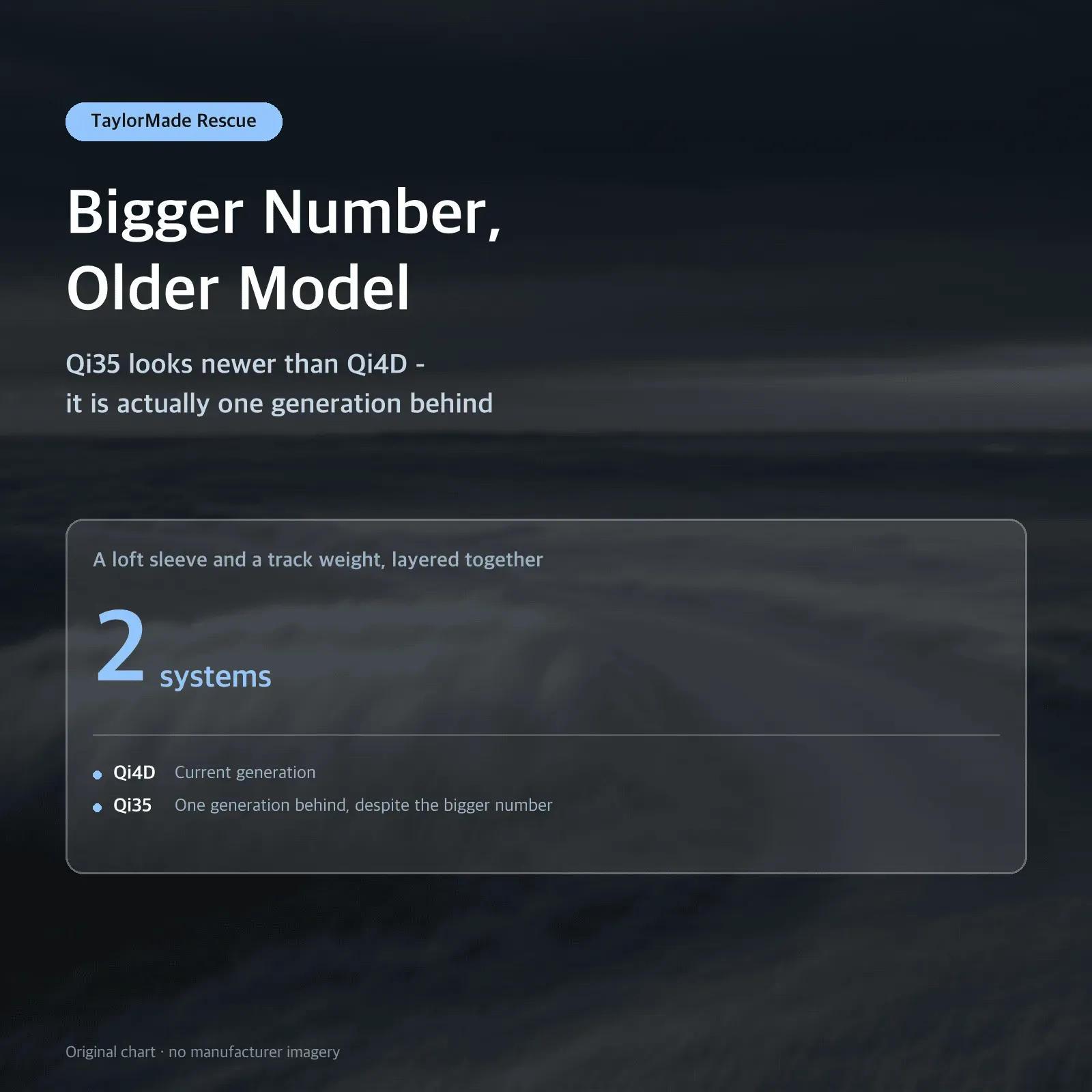
The Qi4D Rescue layers a loft sleeve on a moveable weight — but the bigger risk when buying one is mistaking the older Qi35 for the newer model.
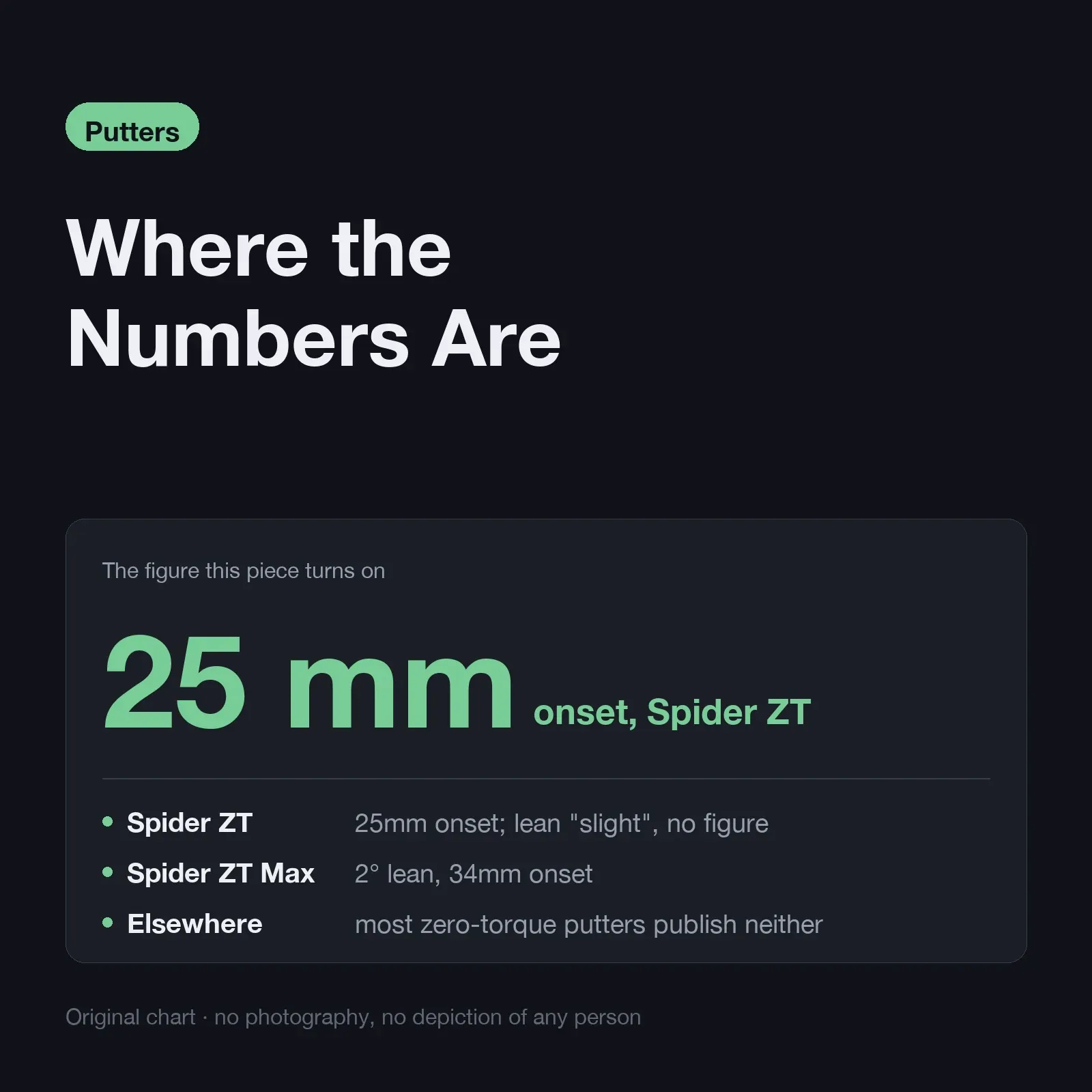
Zero-torque putters rarely publish figures. TaylorMade does — 25mm of onset on the Spider ZT, and 2 degrees of lean with 34mm on the ZT Max.

TP5 and TP5x are the only five-piece balls in the tour category. The 2026 update changed the coating, not the layer count.

After the USGA and R&A split over driver coefficient of restitution in 1998, unification took a decade — and testing shifted to a 239-microsecond standard.

Before the 14-club limit, golf had no cap on how many clubs you could carry. Some players carried thirty or more — and the average was eighteen.

The 14-club limit traces to three concerns raised in the 1930s: skill, fairness, and — unusually for a rule — the caddie's physical burden.
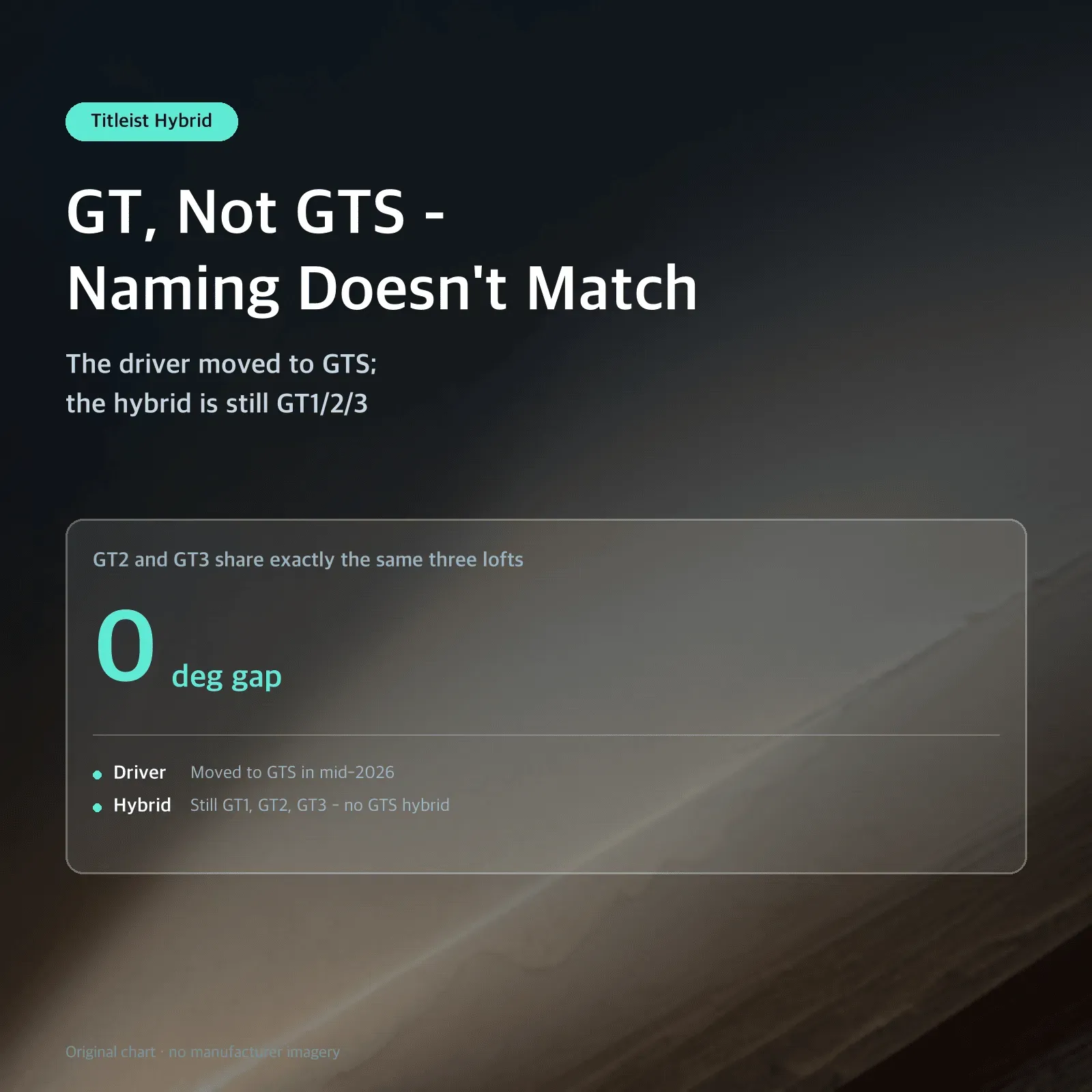
Titleist's driver switched to GTS in 2026, but the hybrid is still GT1/GT2/GT3 — and GT2/GT3 share identical lofts. Here's what separates them.
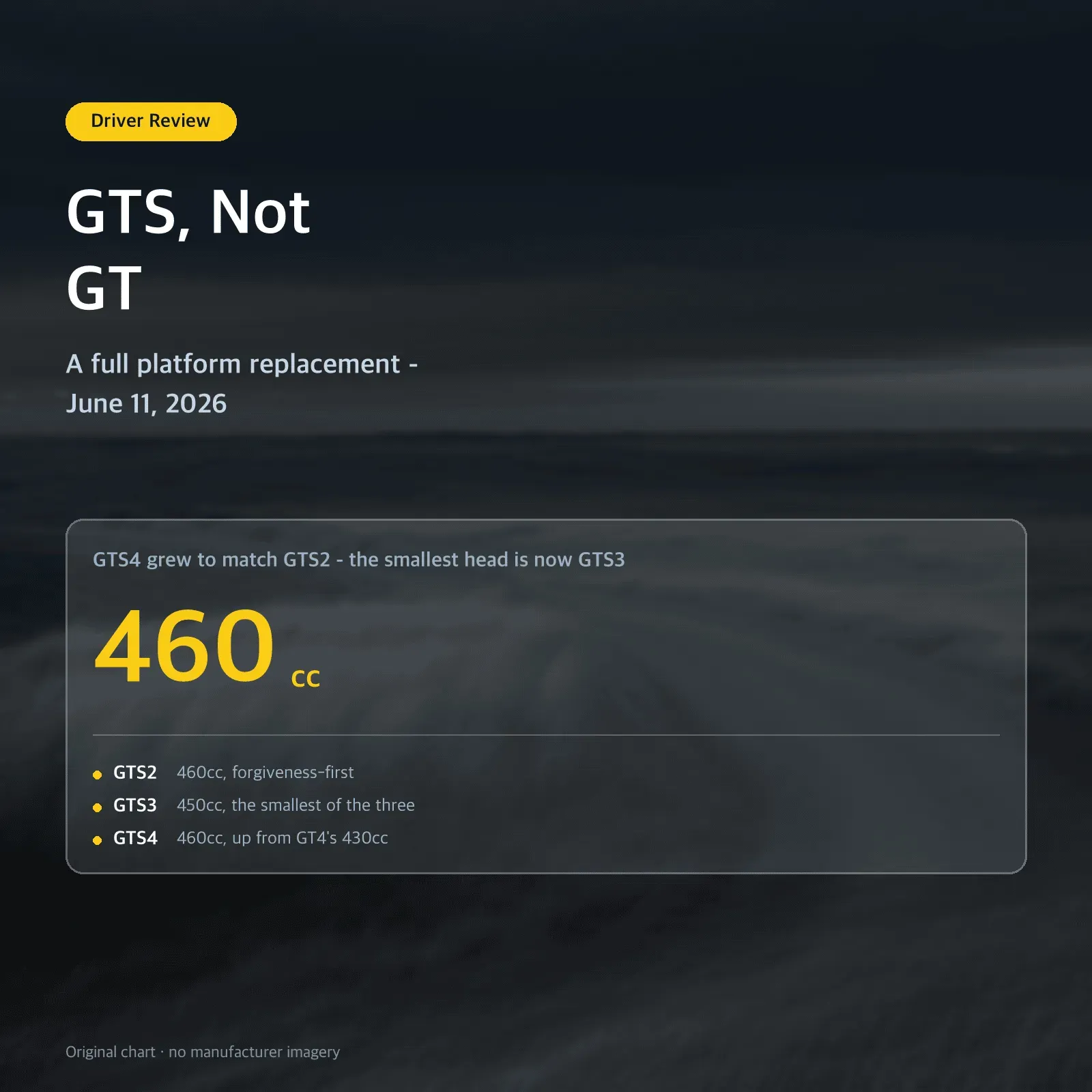
Titleist replaced GT with GTS in June 2026. The low-spin model got bigger, not smaller — the opposite of what the prior generation's pattern predicts.

Pro V1 and Pro V1x read as an upgrade pair, but Titleist prices them the same. The difference is layer count and dimple pattern, not rank.

A well-known story says Britain banned the Schenectady putter out of wounded pride after Walter Travis won with it. We looked for evidence. We found none.

The USGA and the R&A split the world by jurisdiction: USGA covers the U.S. and Mexico, R&A covers everywhere else. Here's how that split came about.
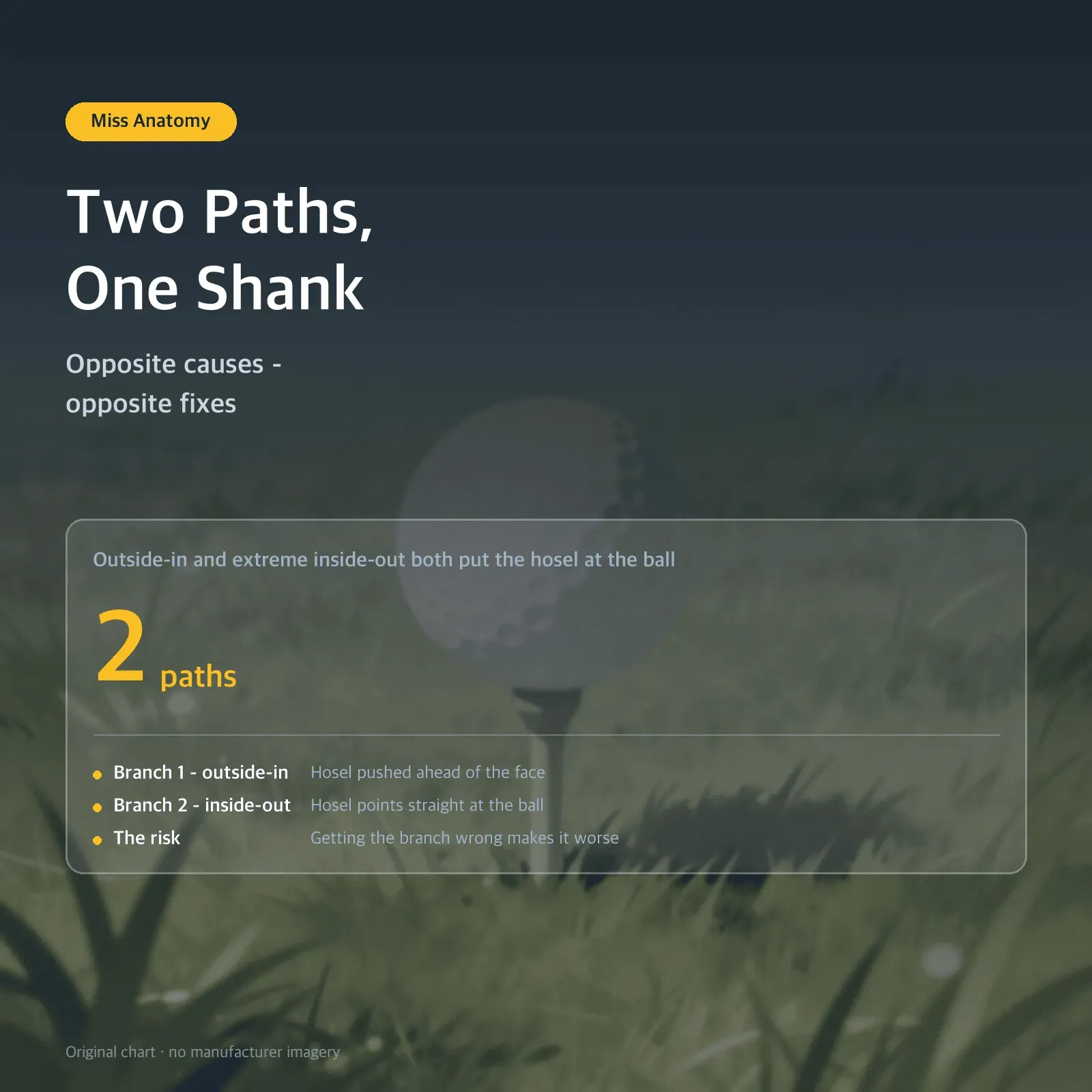
An over-the-top move and an extreme in-to-out path both produce the same shank, so standard advice can make one group of golfers worse.