Titleist gives five iron models one lie angle row
Loft gets five rows in the T-Series table. Lie and length get one each, shared by every model — which says what belongs to the club and what belongs to you.
48 posts
Loft gets five rows in the T-Series table. Lie and length get one each, shared by every model — which says what belongs to the club and what belongs to you.
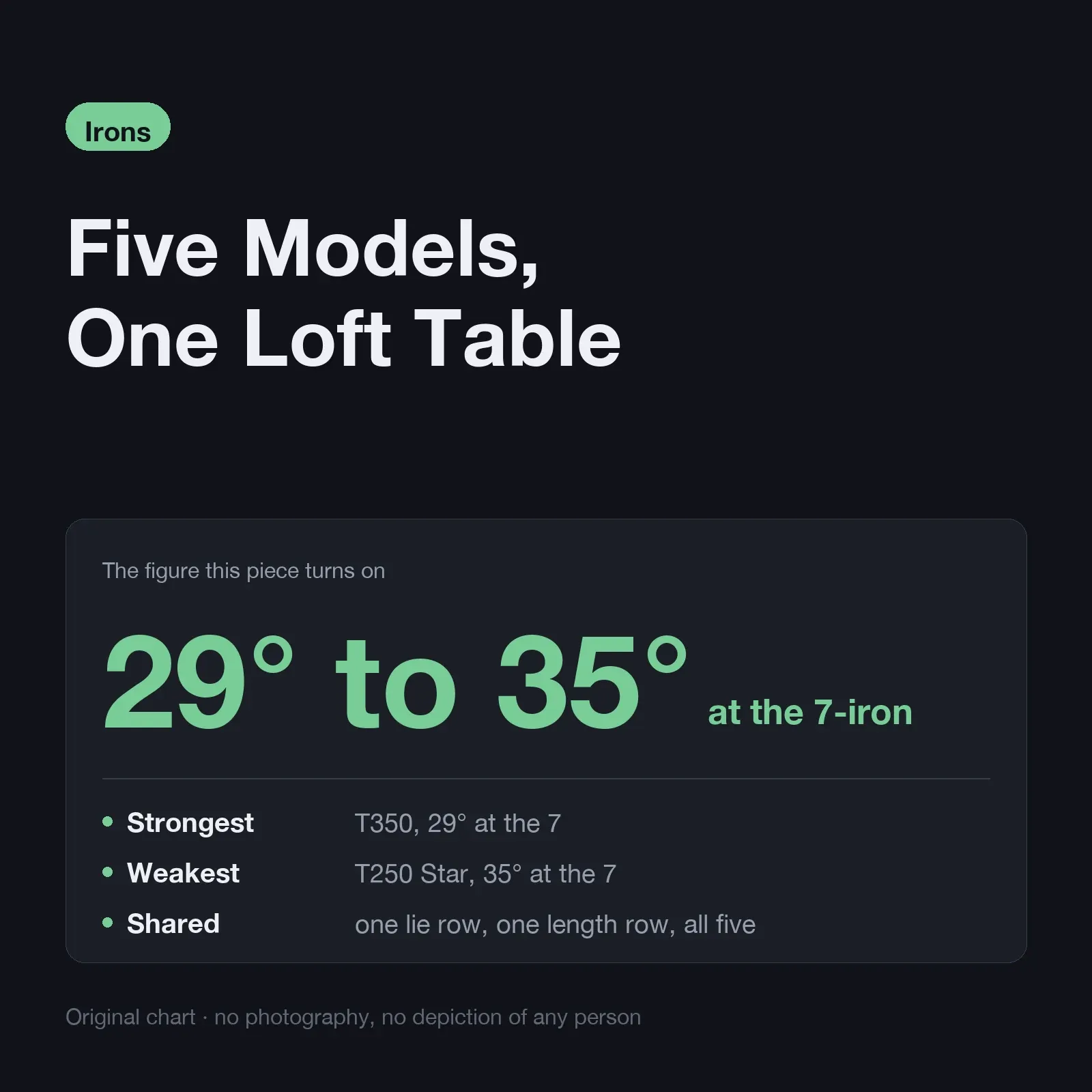
T100, T150, T250, T250✶ and T350 lofts side by side, straight from the maker comparison table — plus the two rows that are not split by model at all.
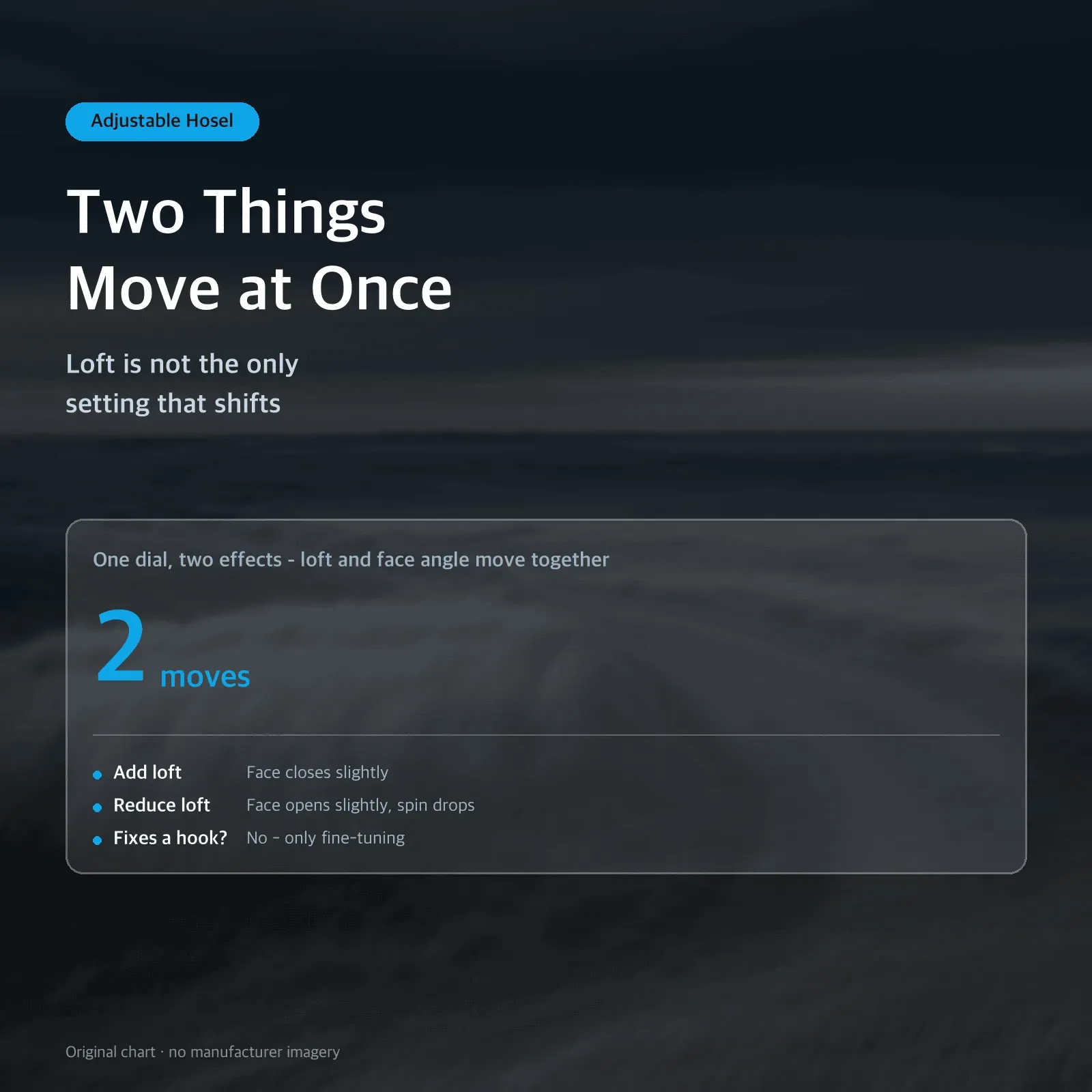
Adjustable hosels change loft, but on most modern designs they change face angle too — a fact that trips up golfers chasing a fix for their hook.
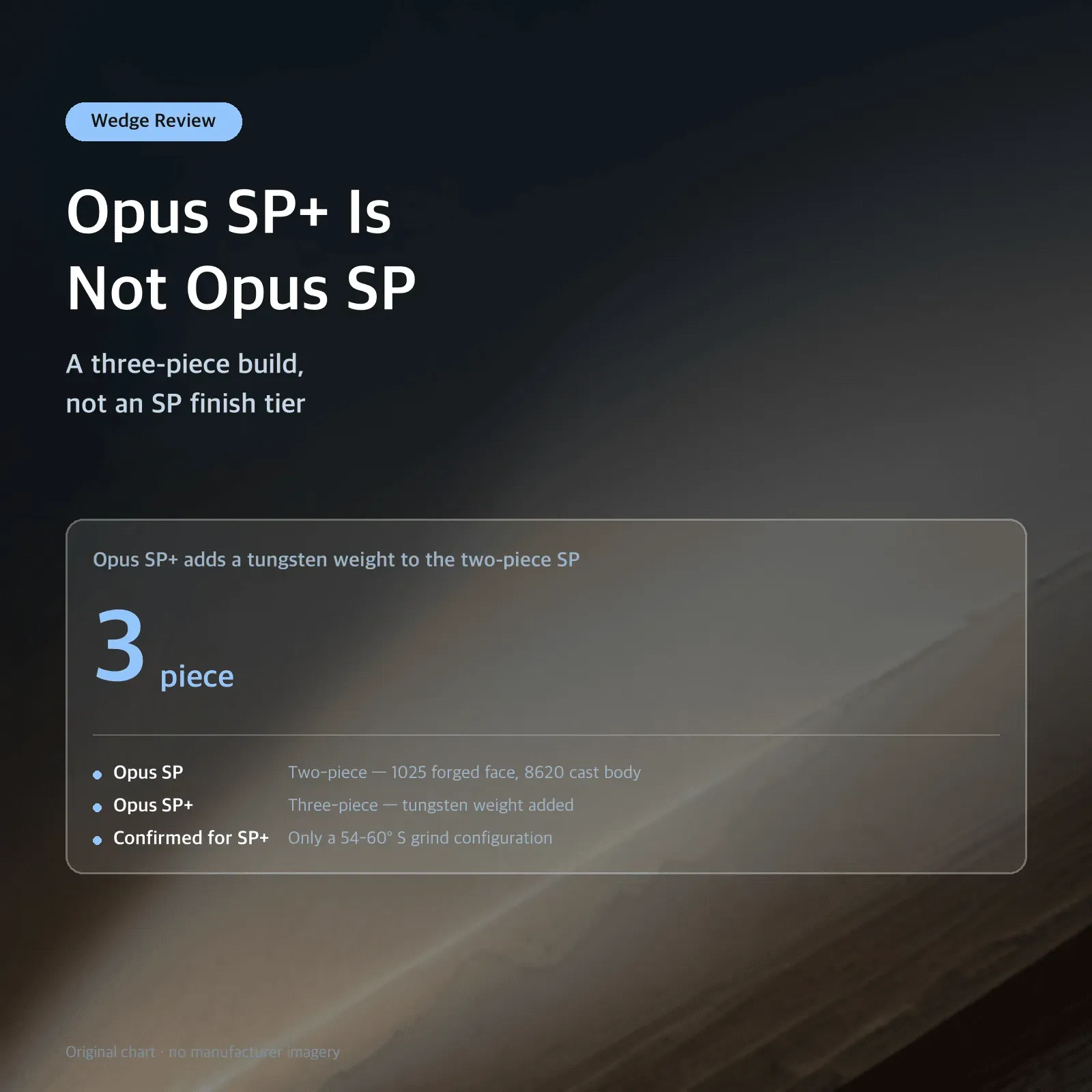
Opus SP+ sounds like an SP update but is a different three-piece build. The full spec table we found belongs to SP, not SP+.
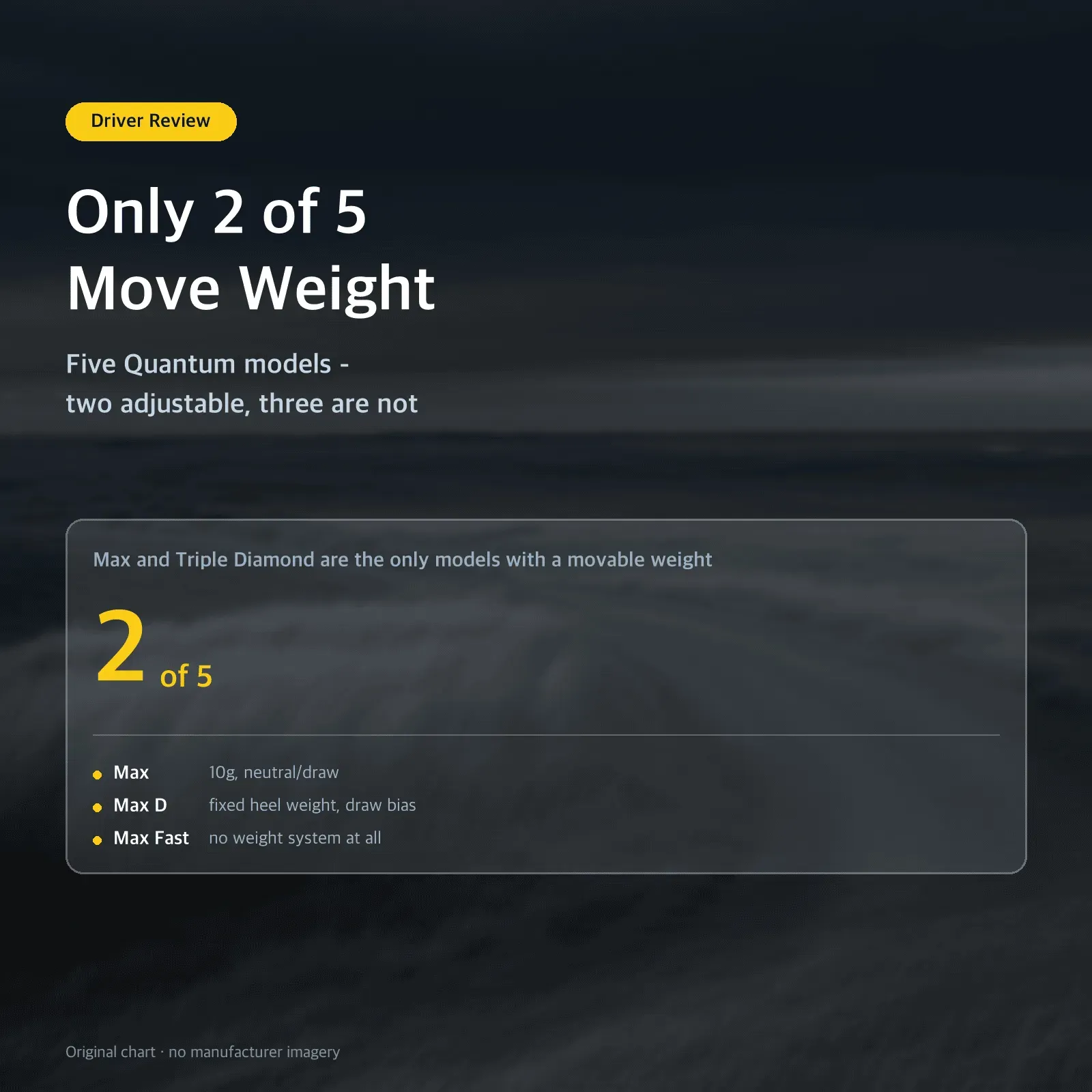
Callaway's current driver is the Quantum. Of its five models, only Max and Triple Diamond let you move the weight; the rest are fixed or skip the system.
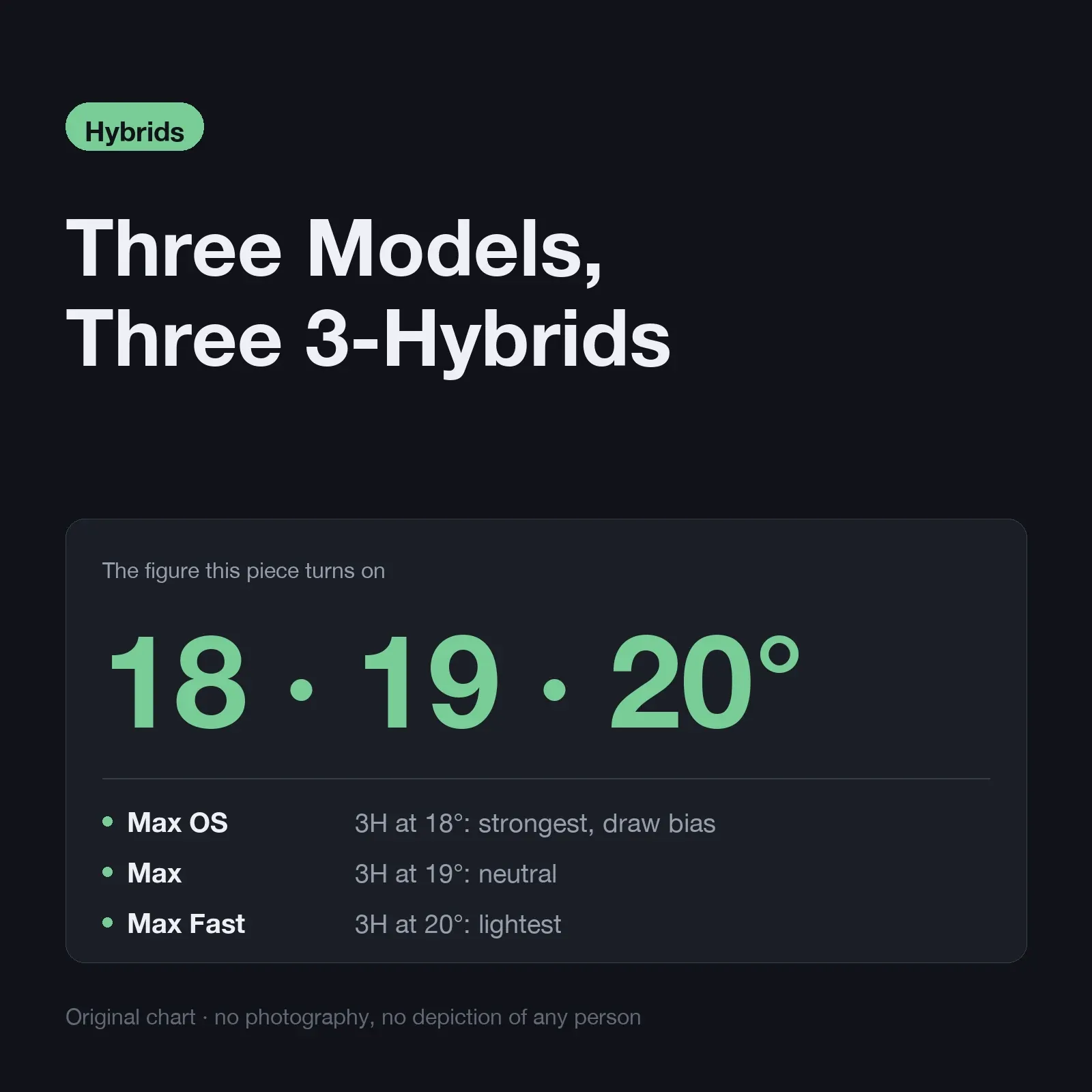
All three Quantum Max hybrids offer a 3H — at 18, 19 and 20 degrees — and that offset holds the whole way up each set. Checked against Callaway's spec sheets.
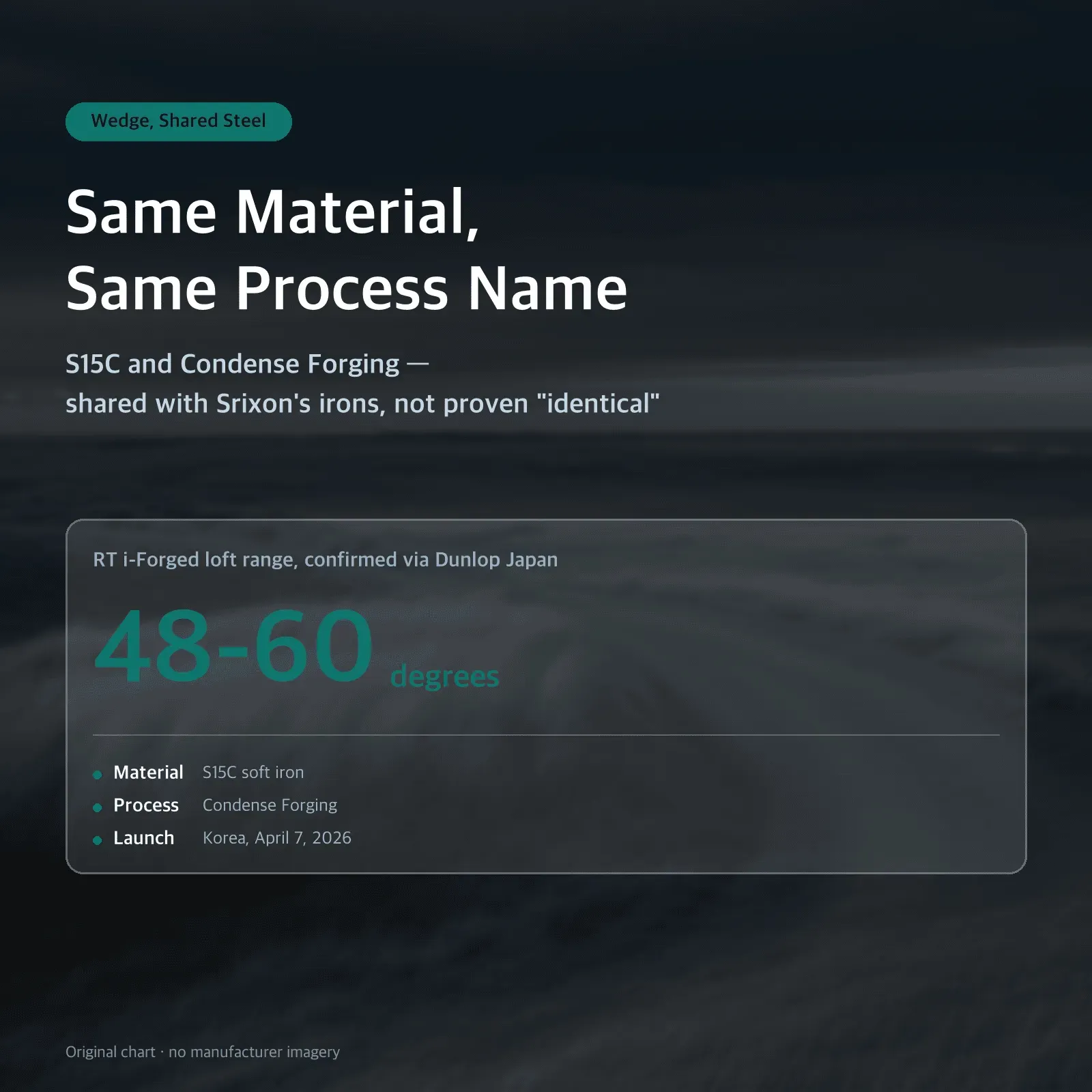
Cleveland's RT i-Forged wedge shares a material and process name with Srixon's i-Forged irons — sharing names isn't sharing technology.
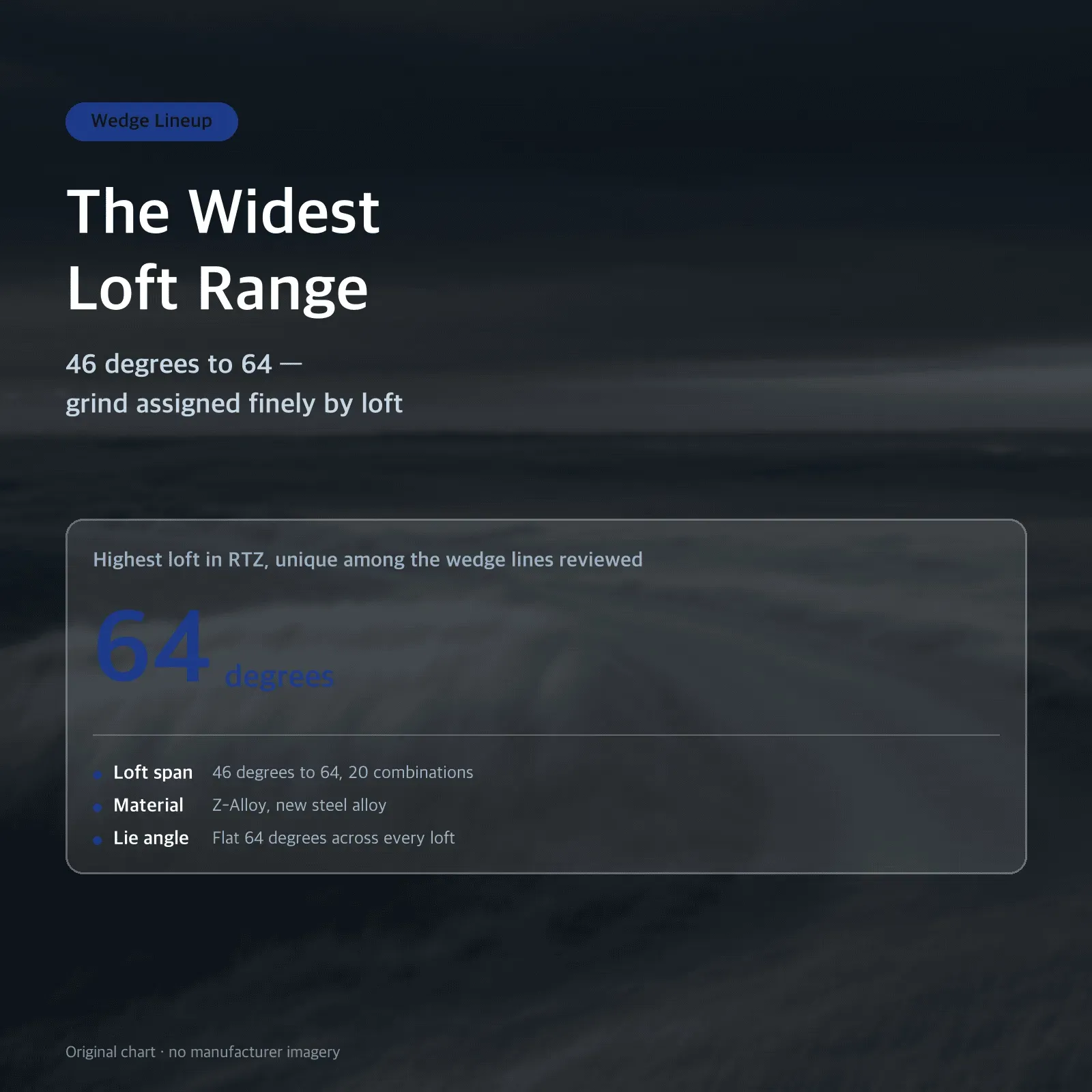
RTZ runs 46-64 degrees across 20 loft/grind combos, the widest spread here, but names on its spec table often lack supporting explanation.

PING, TaylorMade, Titleist, and Callaway's 2026 flagship drivers all share the 460cc cap. What separates them is who lets you move weight around.

Driving irons, hybrids, and fairway woods fill the 185-240+ yard gap, but head structure and launch behavior differ completely. A decision framework.
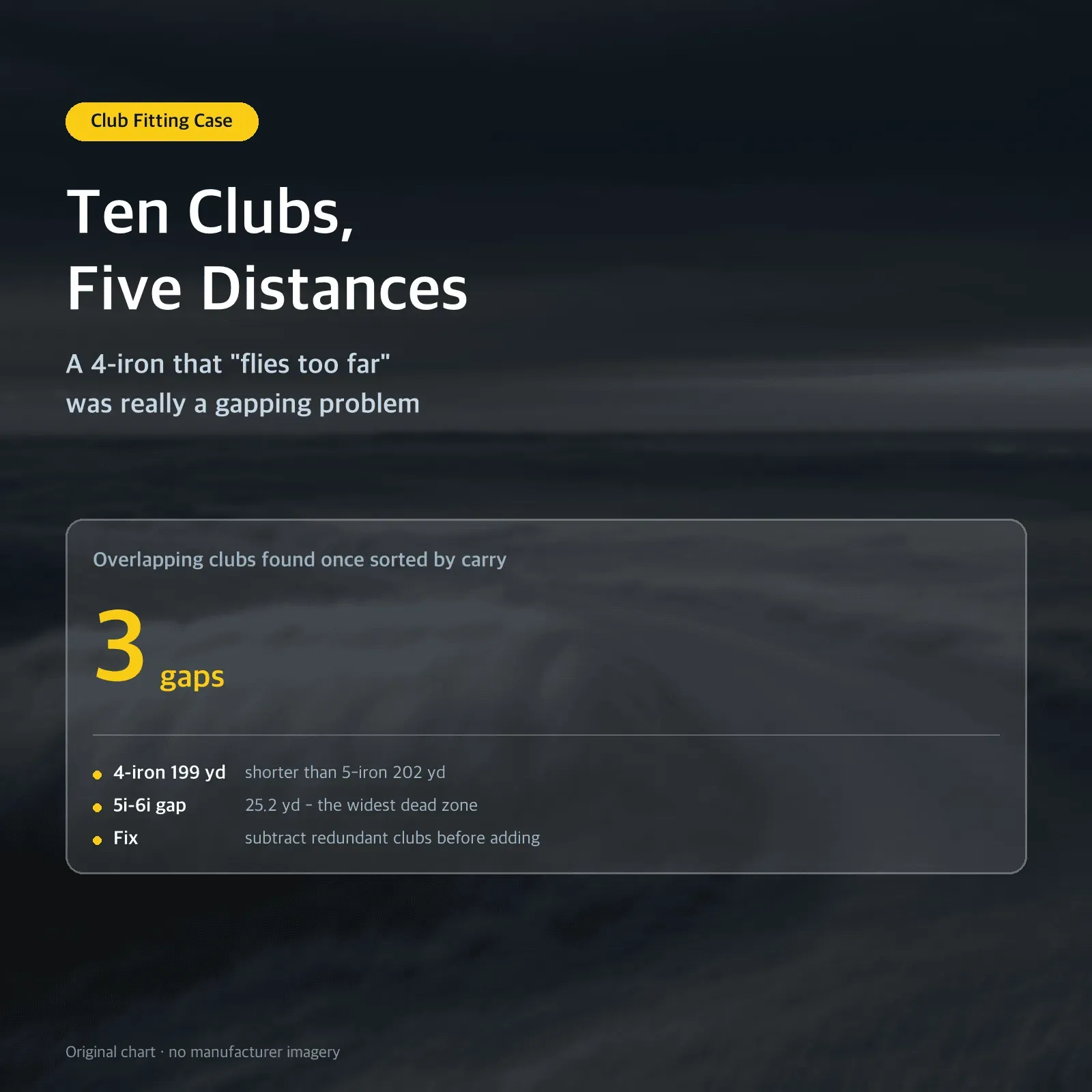
A golfer suspected his long irons flew too far. The real problem was gapping: two clubs overlapped almost exactly, and his set had three dead zones.
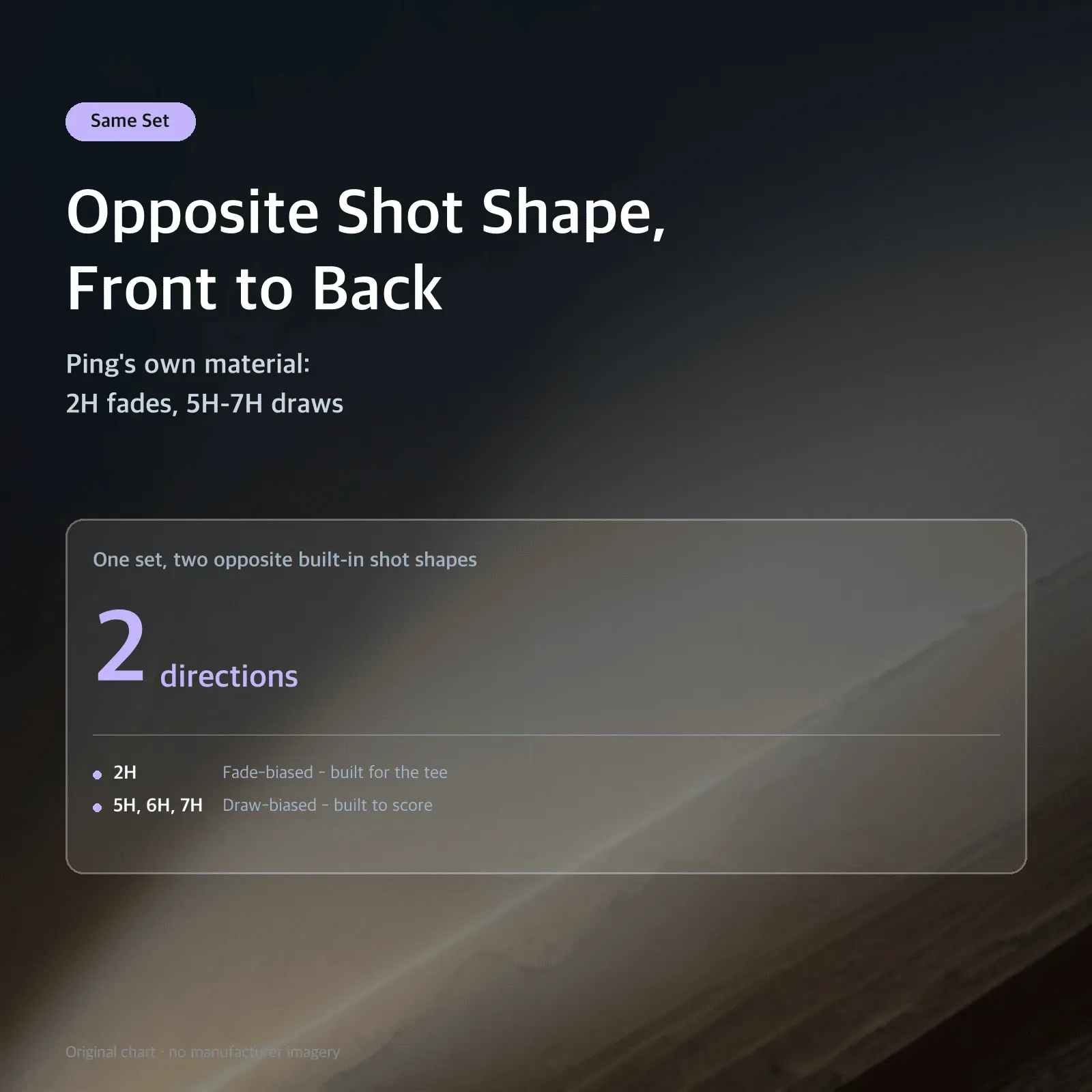
Ping states its 2-hybrid is fade-biased while the 5-, 6-, and 7-hybrids are draw-biased — one set, built in opposite directions by number.
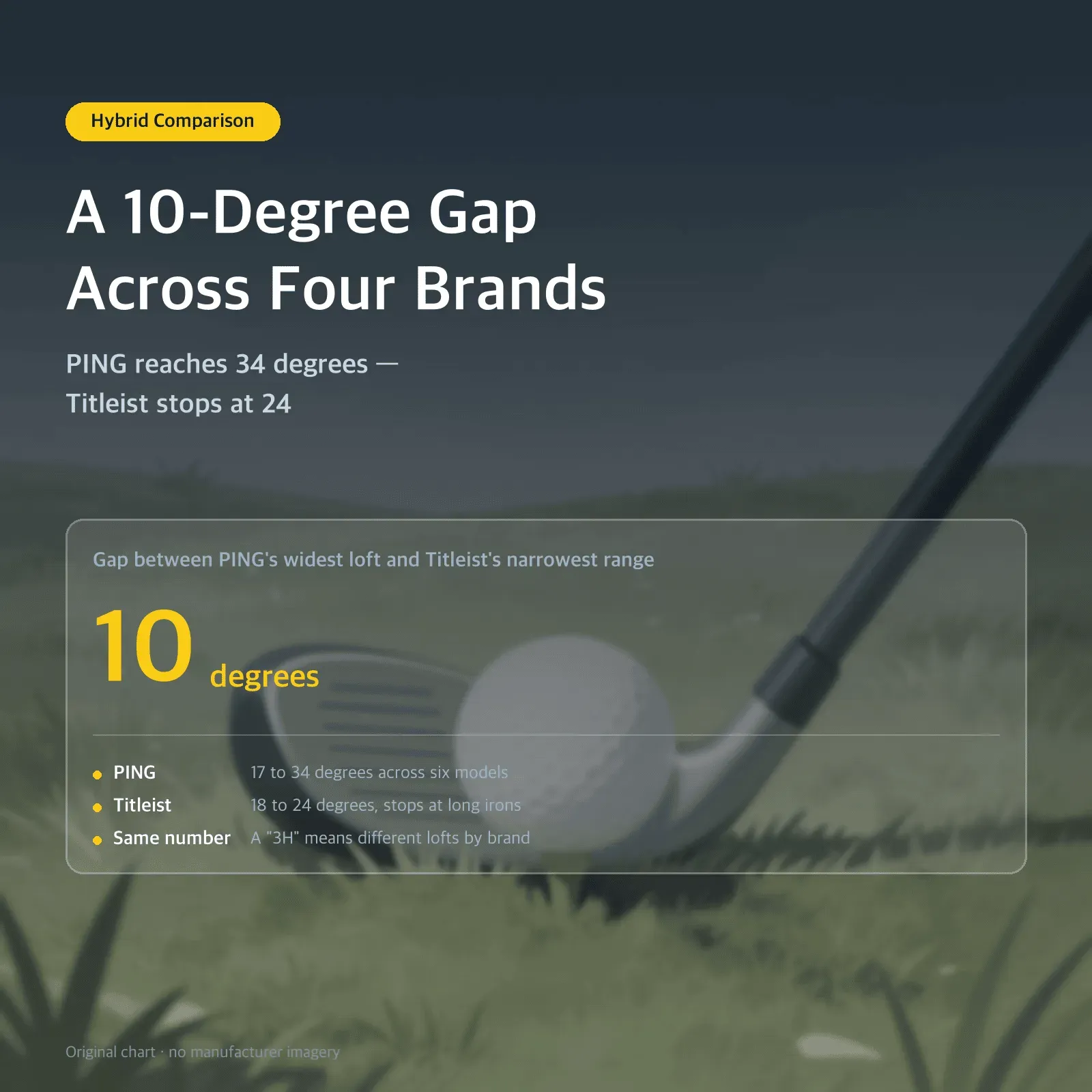
PING, Titleist, TaylorMade, and Callaway all sell hybrids, but where each brand draws the category's boundary differs by more than 10 degrees of loft.
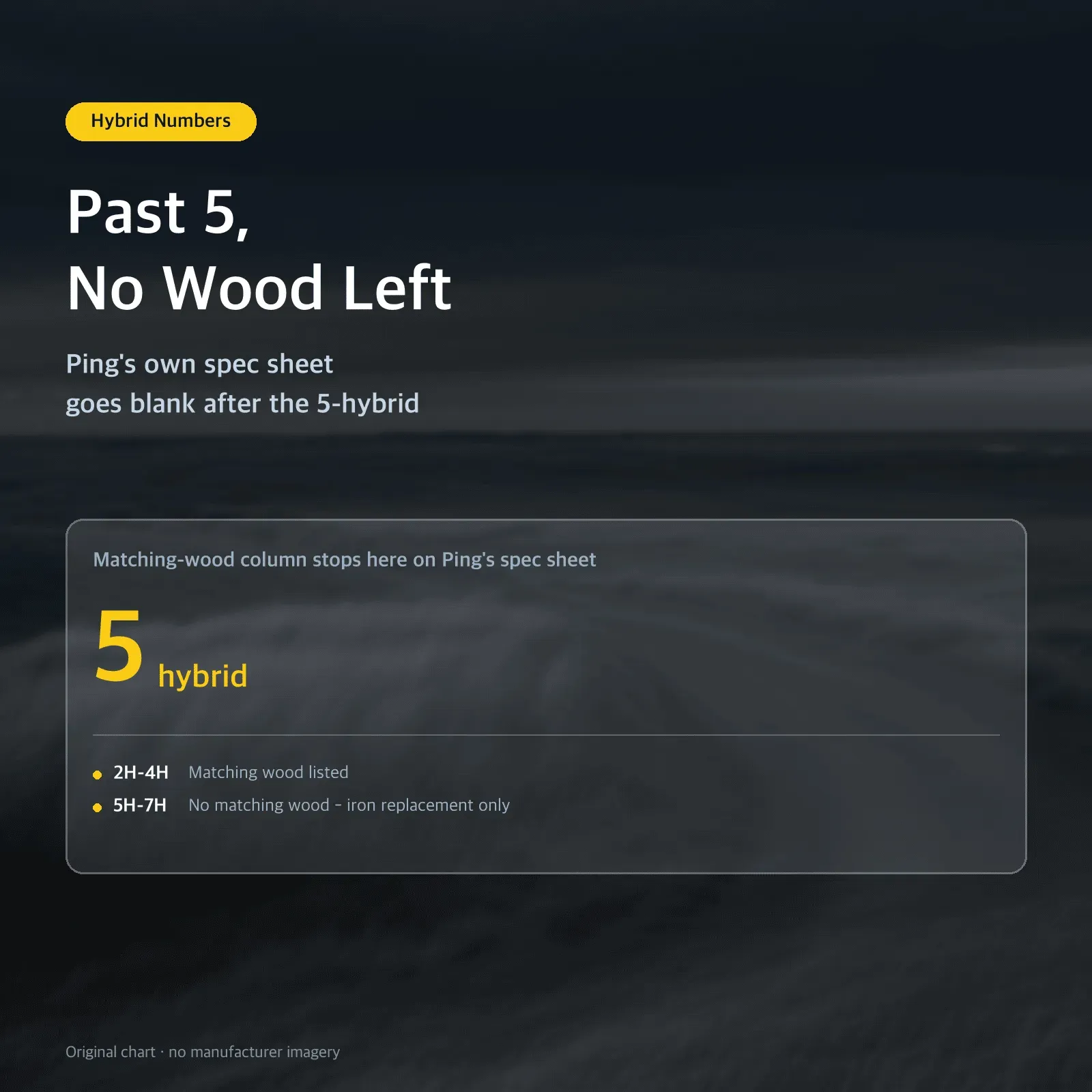
Ping's spec sheet lists a matching wood for the 2H through 4H — then the column goes blank at 5H. Past that loft, no fairway wood exists to fill the gap.
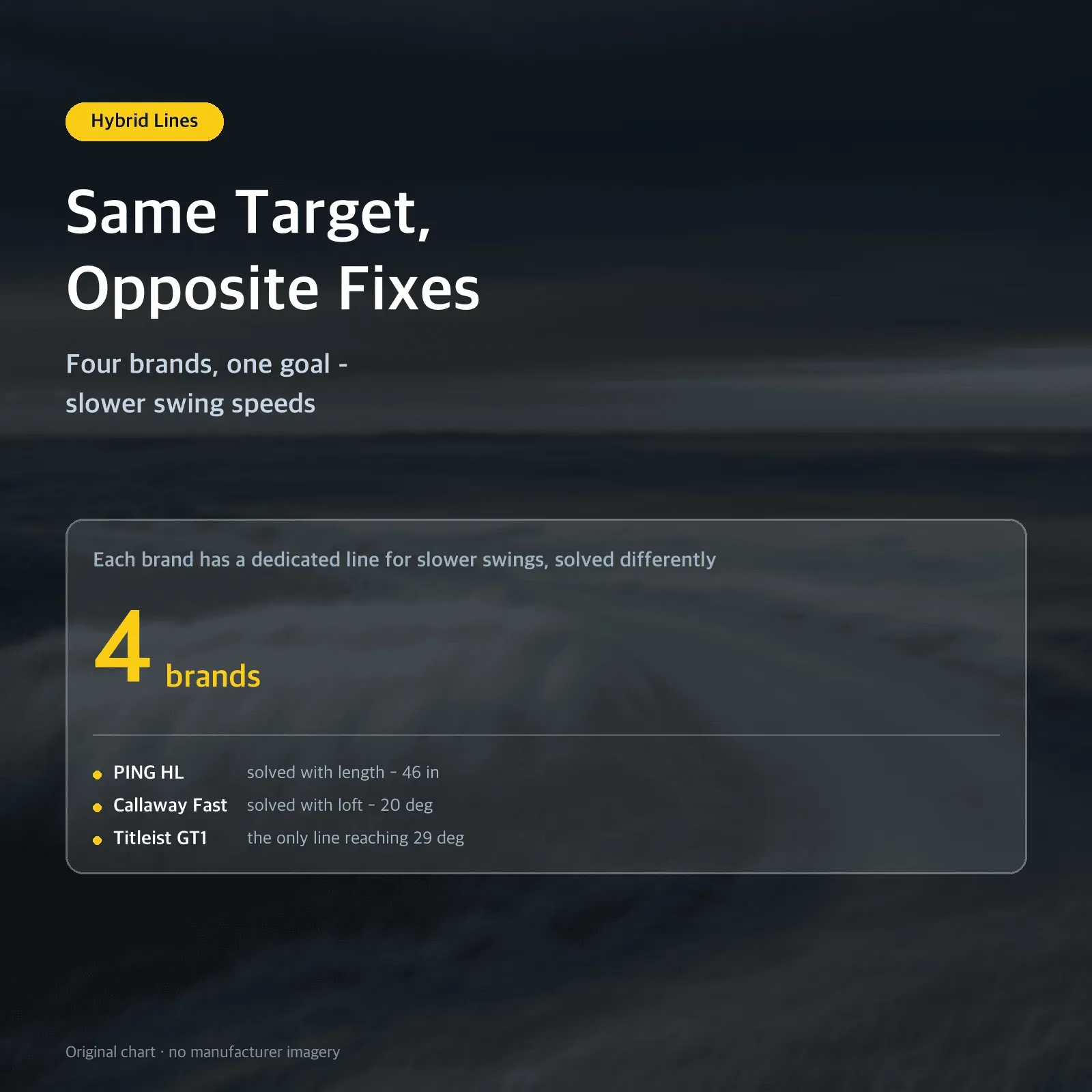
PING's HL, Callaway's Max Fast, TaylorMade's Max Lite, and Titleist's GT1 target slower swings — one adds length, another adds loft, opposite trade-offs.
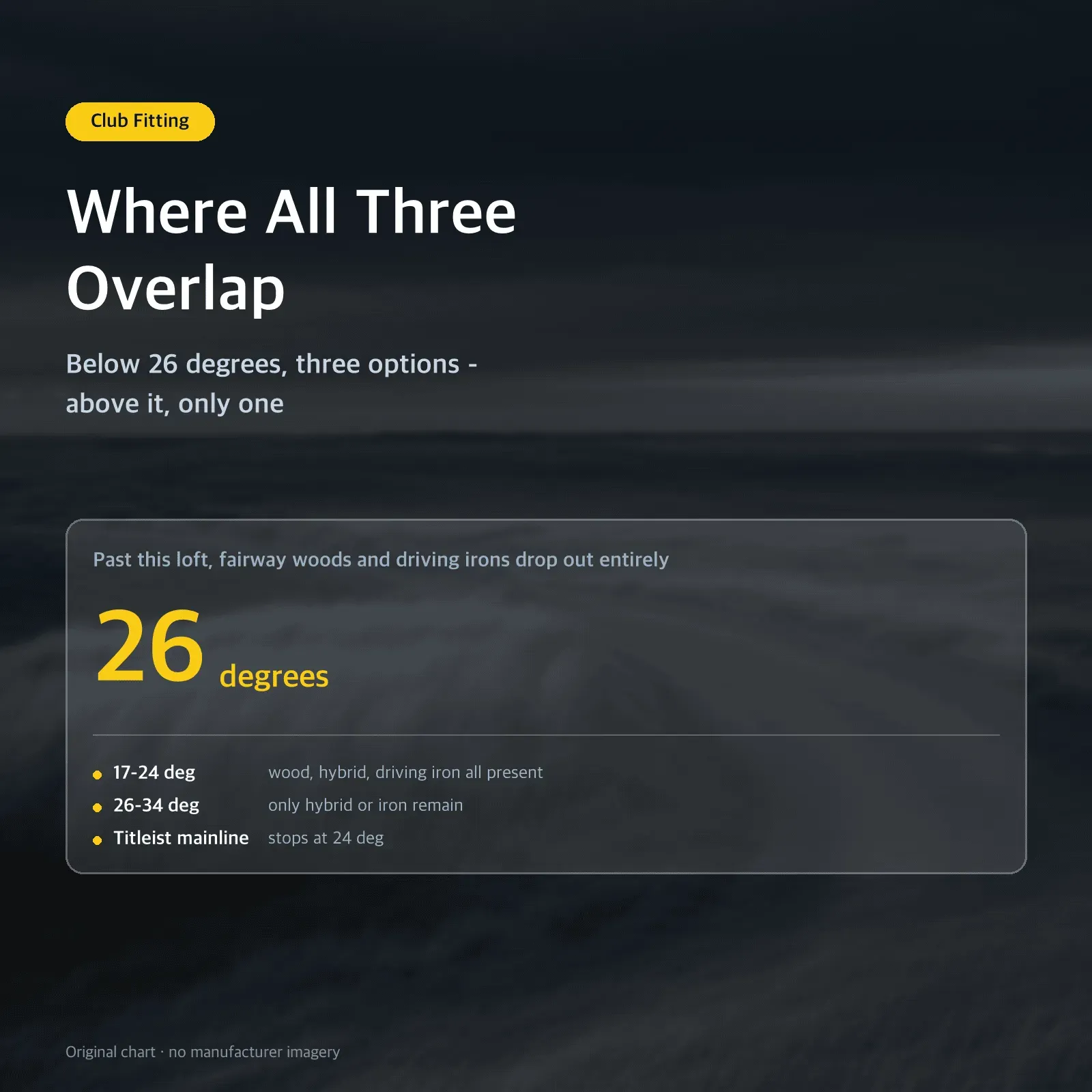
Overlaying official lofts for hybrids, fairway woods, and driving irons shows a zone all three overlap, and a higher zone where only the hybrid remains.
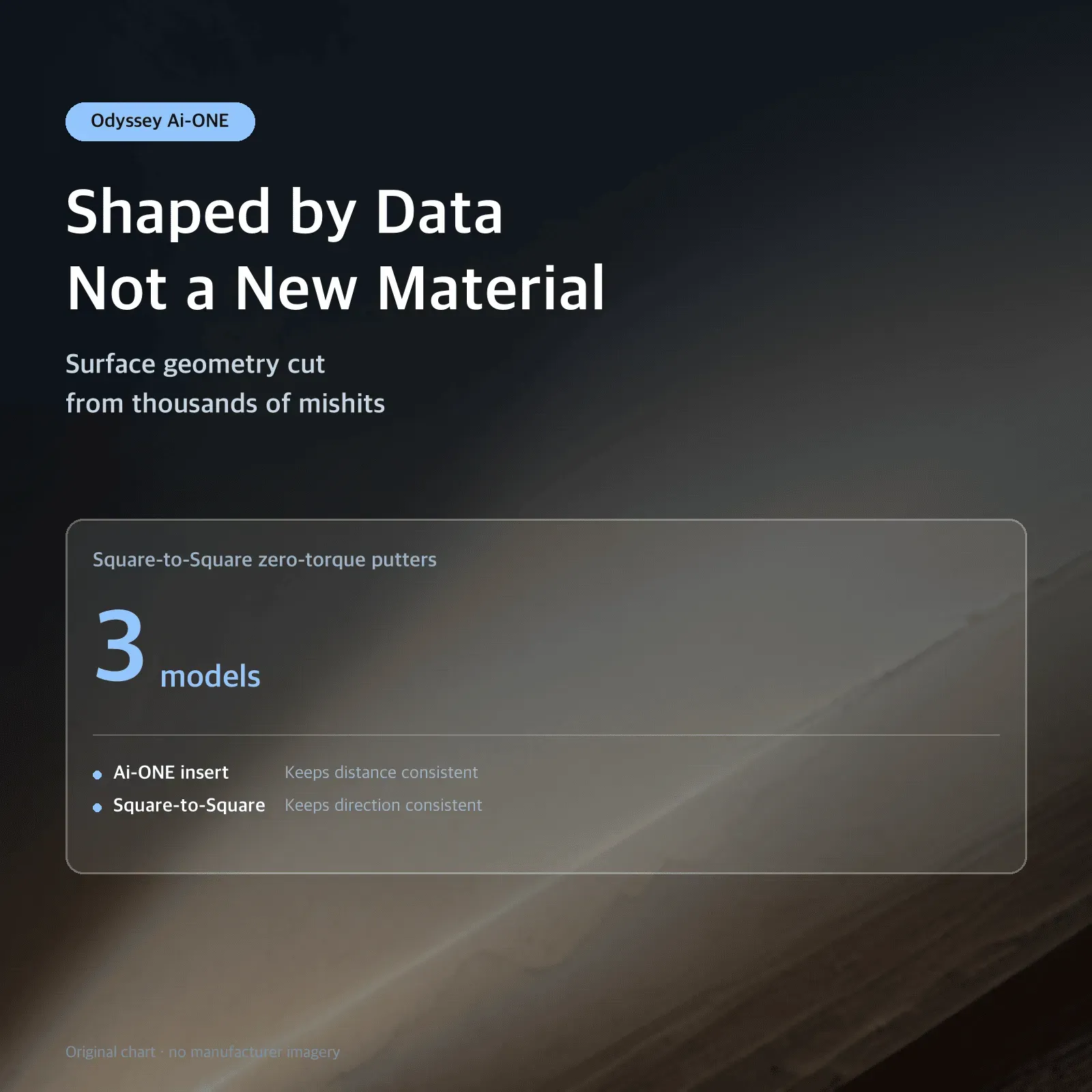
Most putter inserts are a story about material. Odyssey's Ai-ONE is a story about surface geometry, shaped from analysis of mishit patterns.
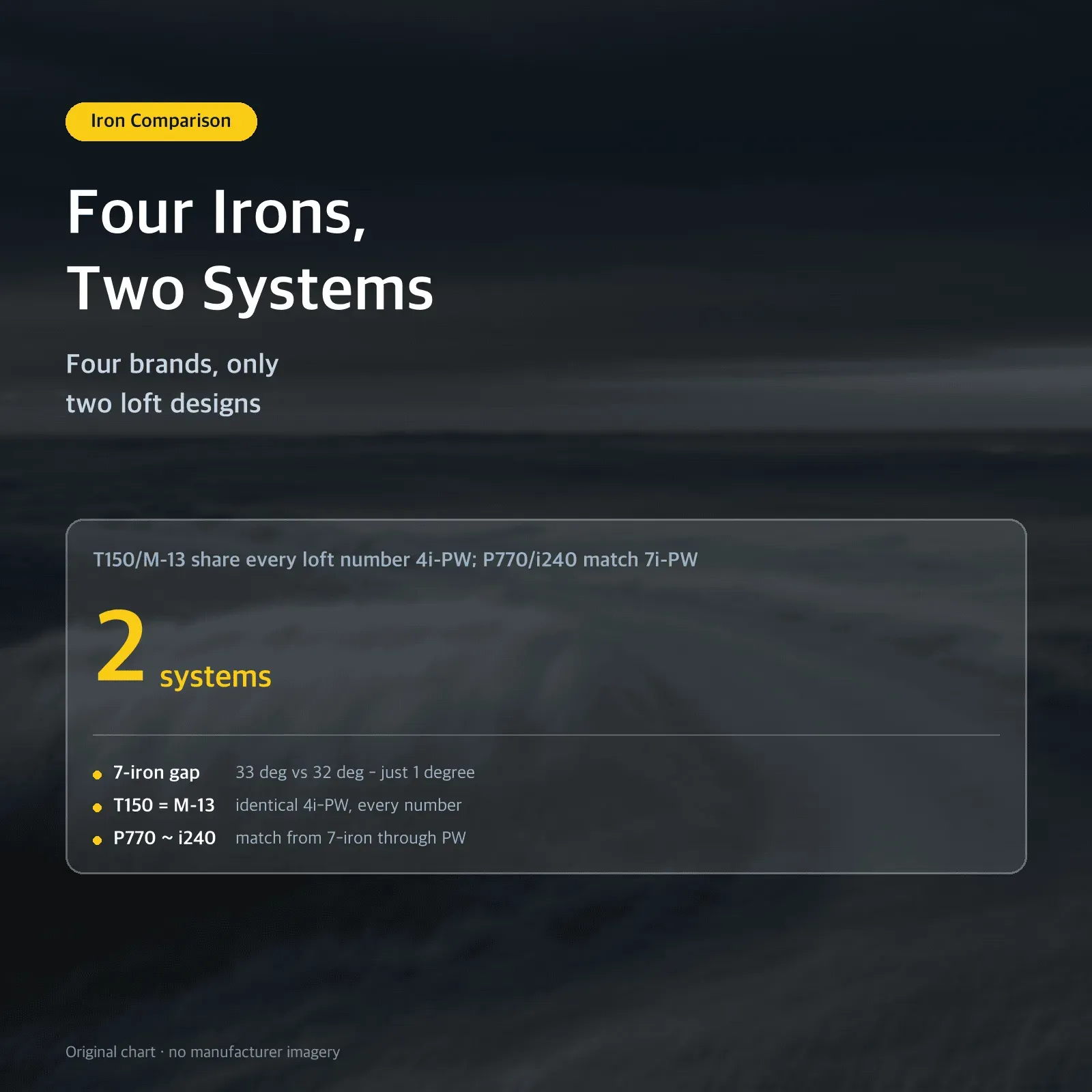
Four brands each build a compact-yet-long iron for the same bag slot. Overlay the official specs and four lines collapse into two, just 1 degree apart.
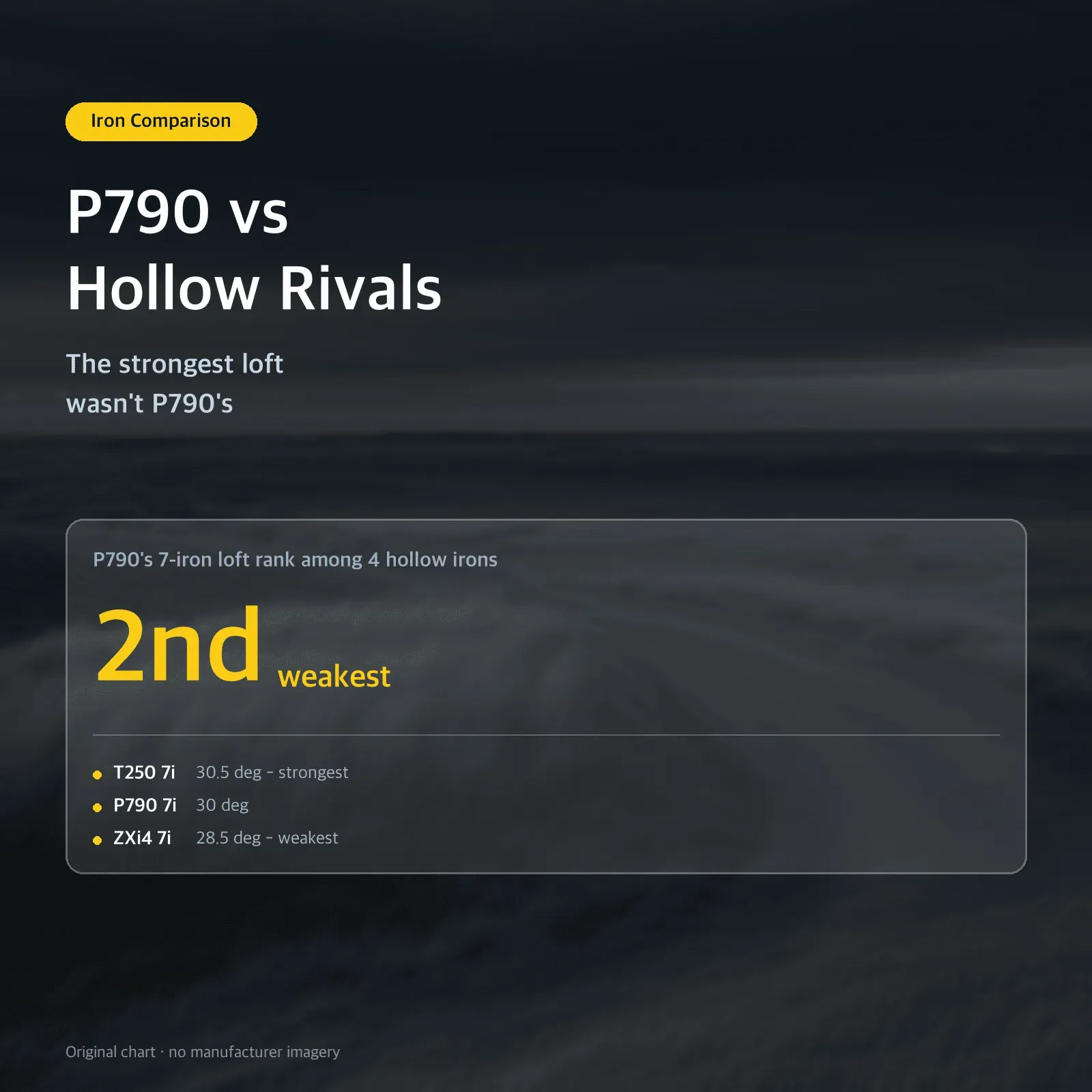
Line up P790 against three rival hollow-body irons on official spec, and 'flies far because it's strong-lofted' falls apart — it's not even the strongest.

P7MC isn't TaylorMade's only forged tour cavity-back. Lay it against three rivals and the real story is who publishes which spec, not who flies longer.

PING's G440 platform spans five models — MAX, LST, SFT, K, HL. Official specs show they aren't a distance ladder, but five answers to five problems.
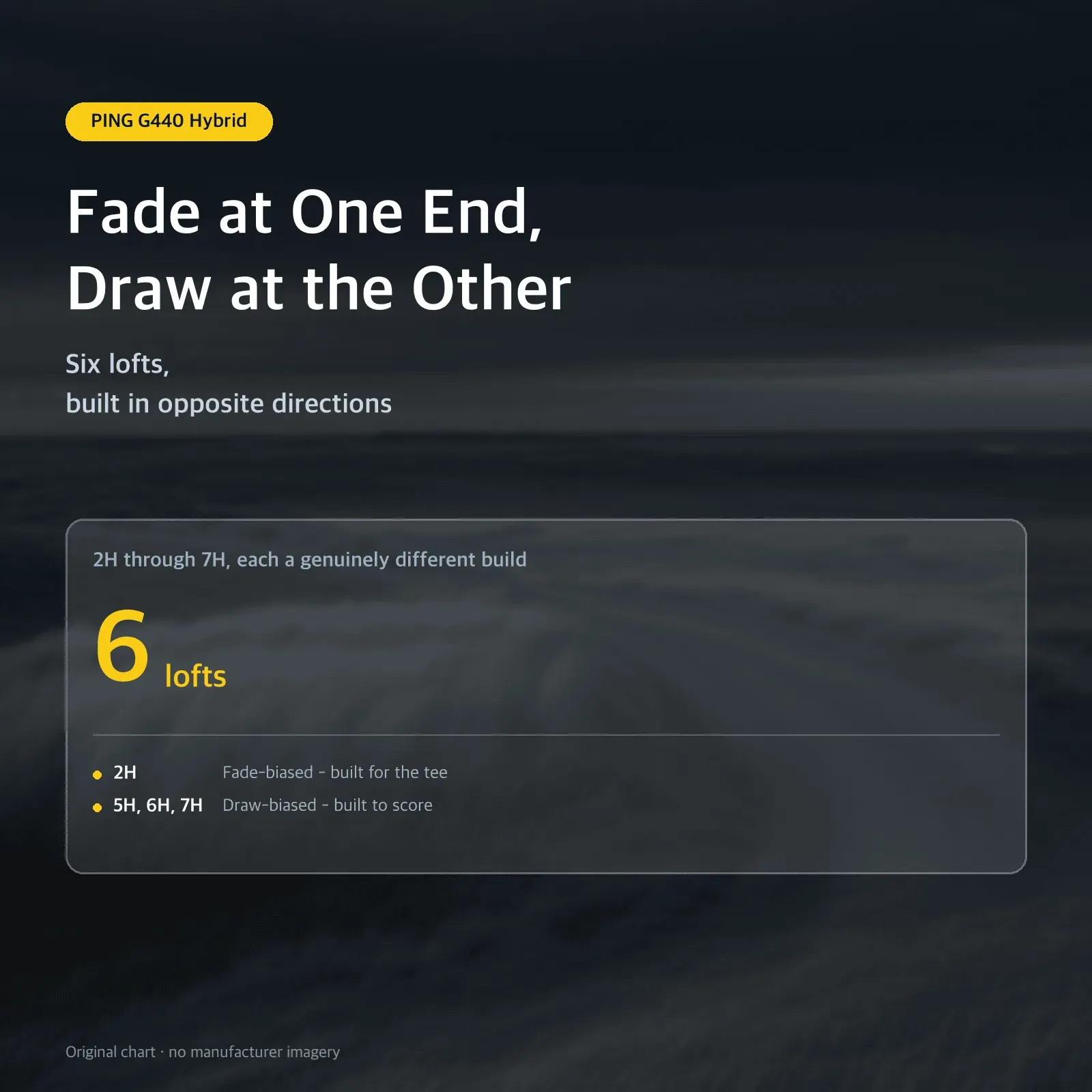
PING's G440 isn't six versions of one club — the low-numbered heads are built fade-biased, the high-numbered heads draw-biased. Full spec table and why.
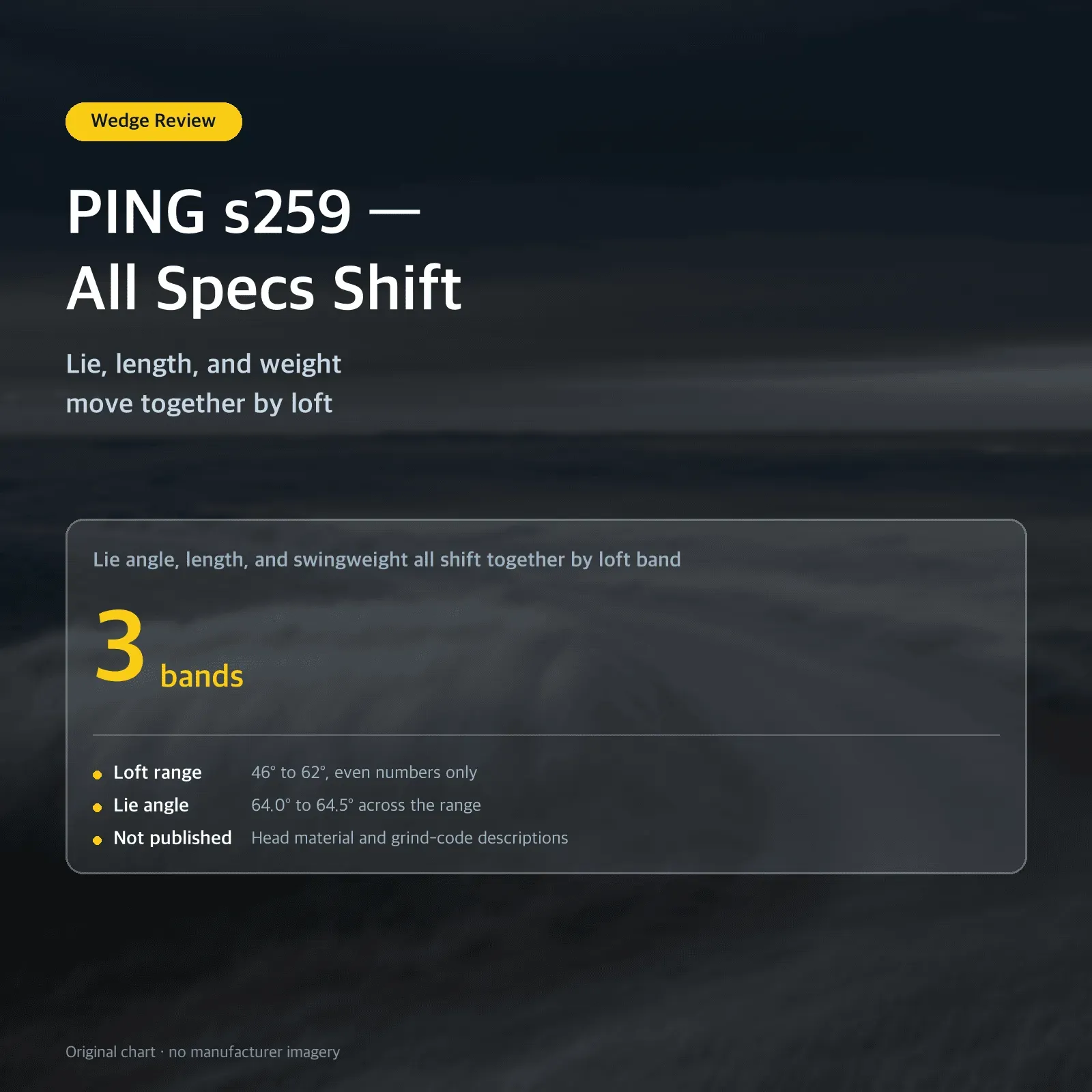
PING s259 publishes a full spec table, and it's the only wedge line checked where lie angle, length, and swingweight all shift with loft.
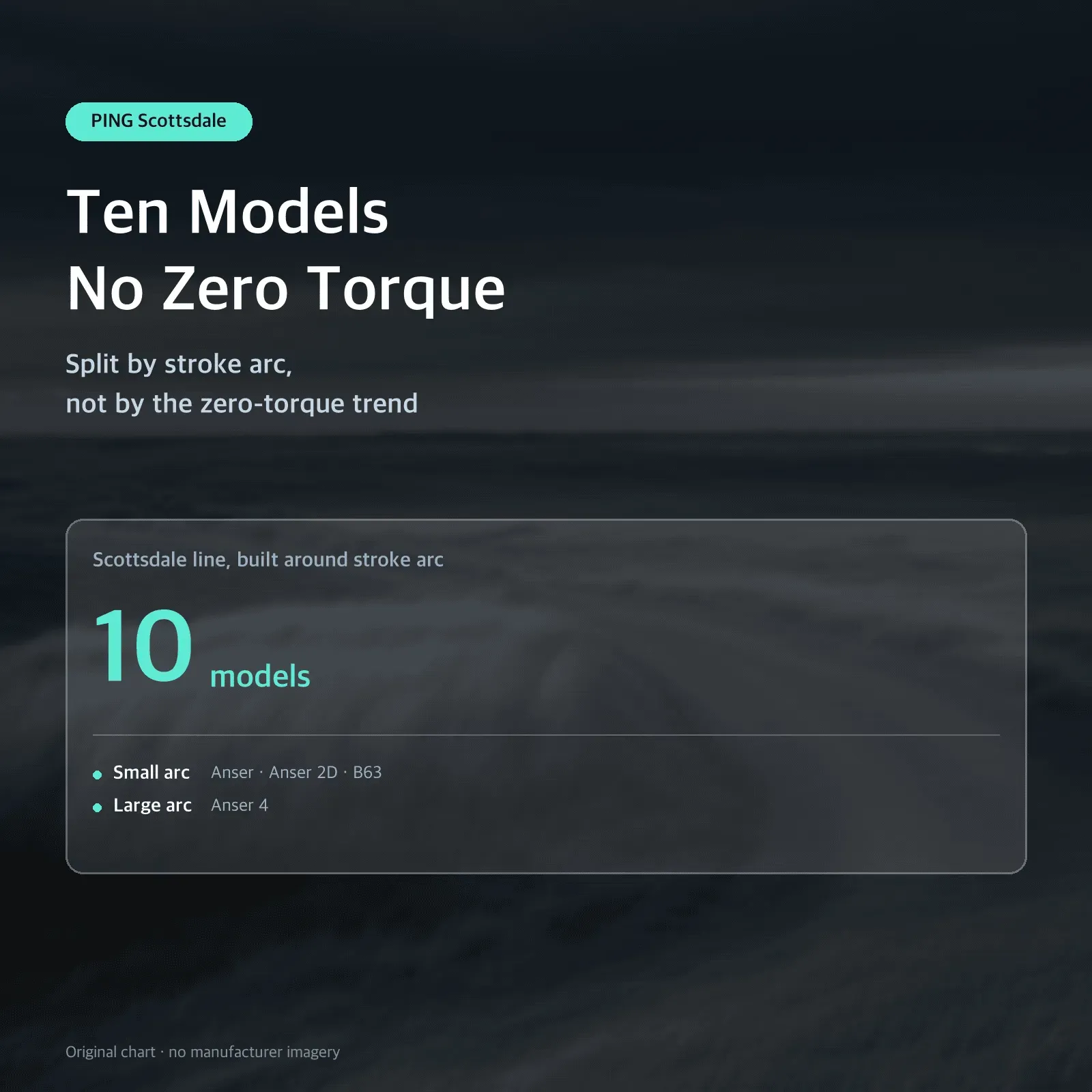
Zero torque is 2026's putter trend, but PING built a ten-model Scottsdale line around stroke arc instead and says outright why it skipped it.
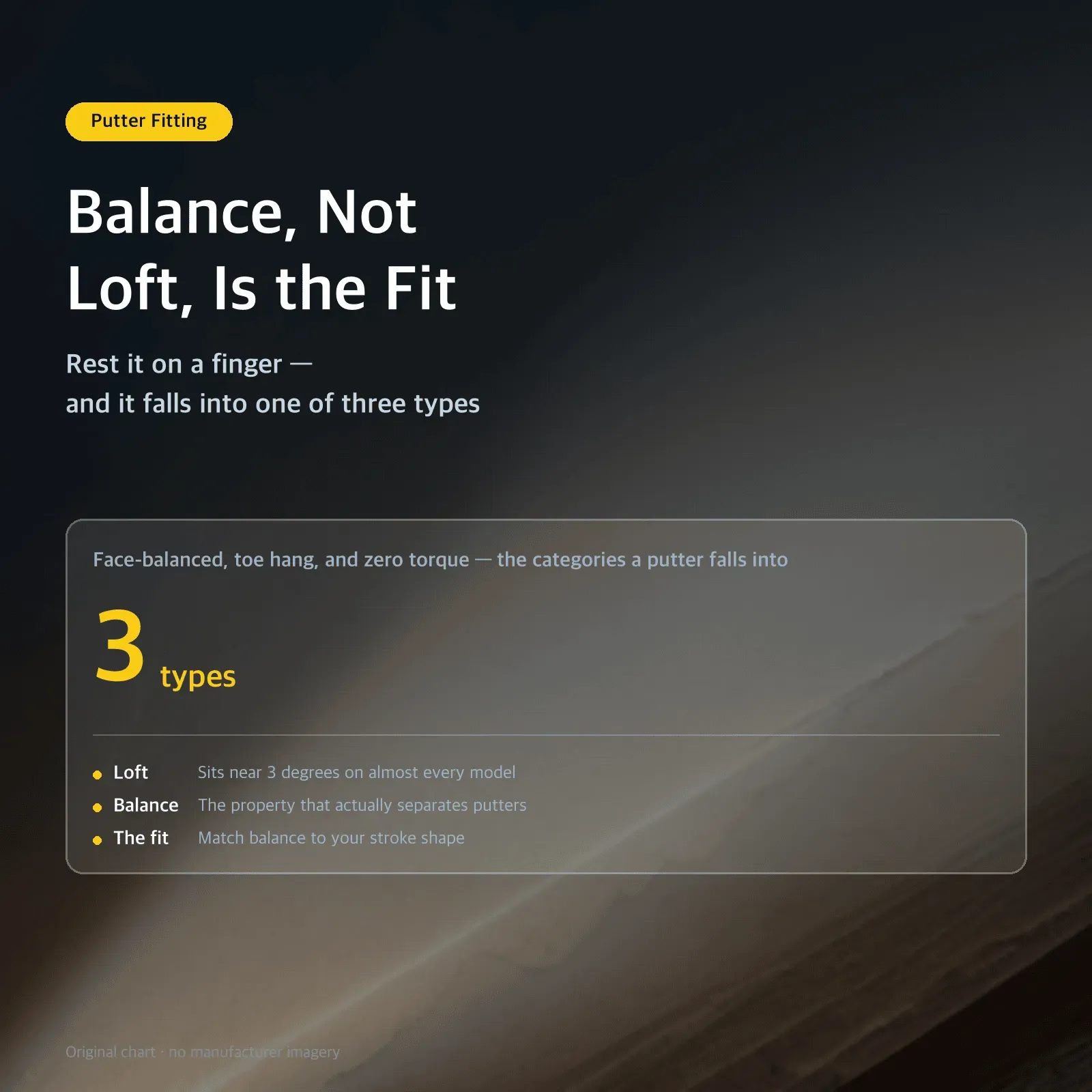
Putters are chosen by balance type, not loft. How face-balanced, toe-hang and zero-torque putters match different stroke shapes, and how to find yours.
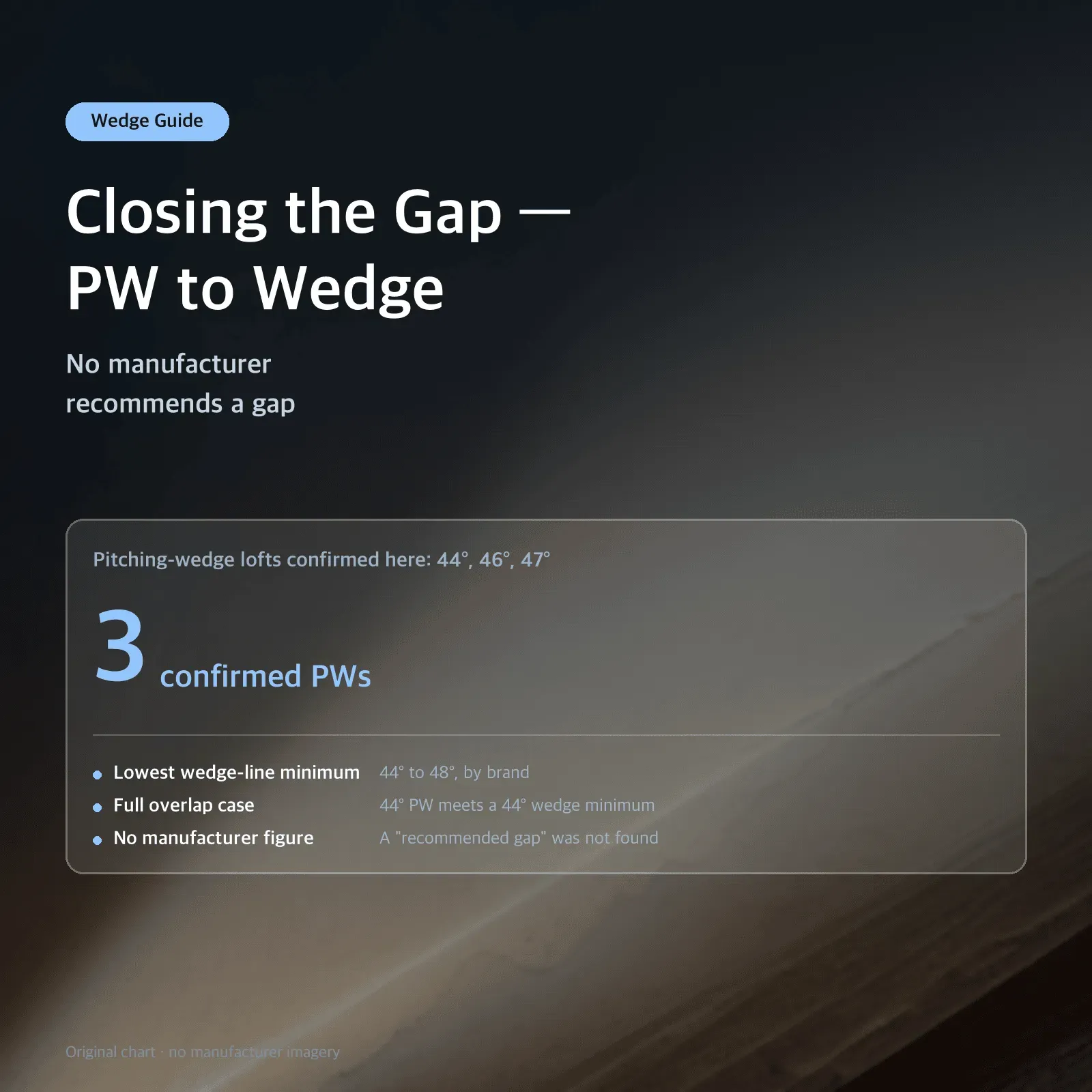
Iron sets stop at the PW and the gap to your wedges must be filled separately. Four brands publish full wedge spec tables; none of them recommends a gap.
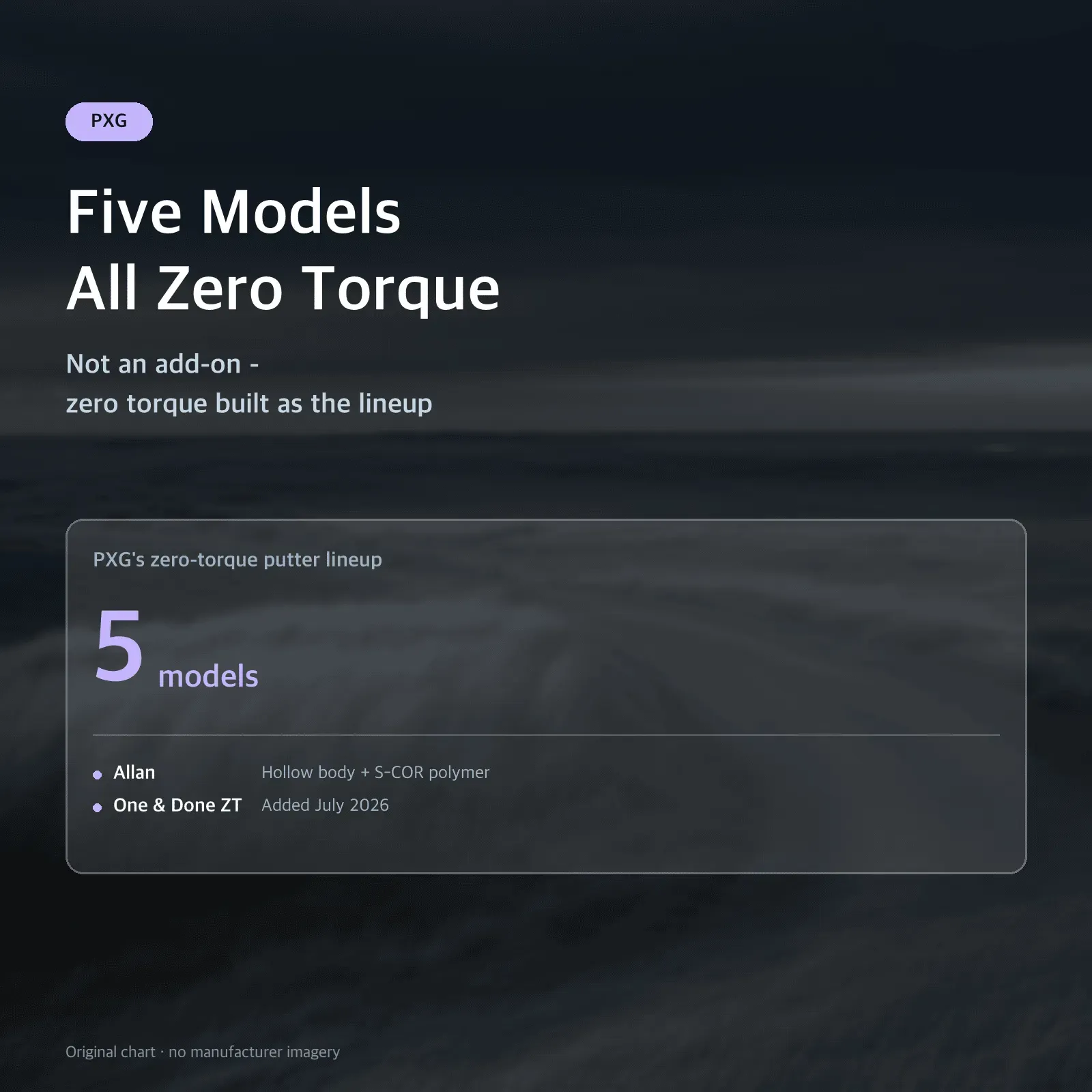
Most brands bolt one or two zero-torque models onto an existing line. PXG built six from the start, including a center-shafted Hot Rod ZT.
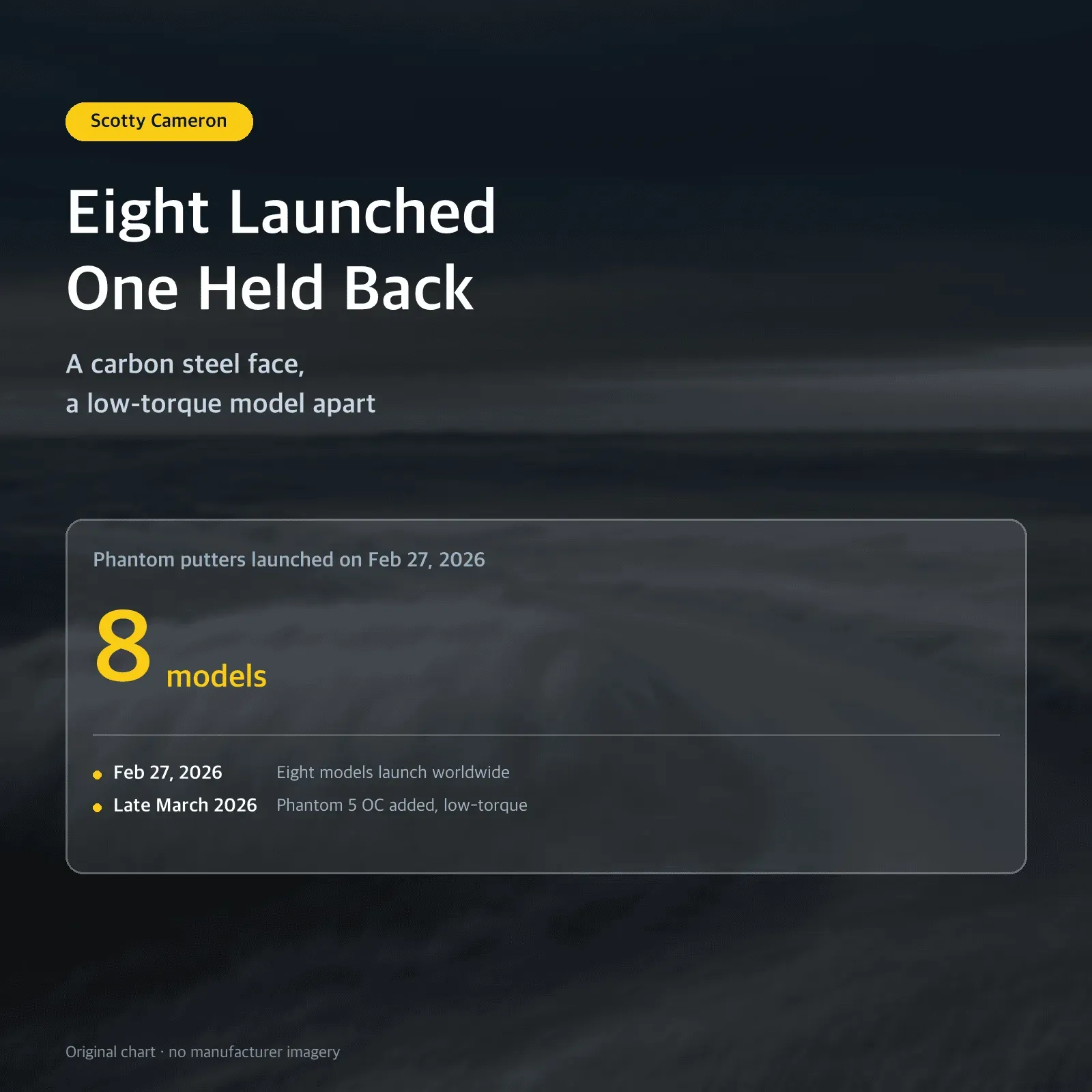
The 2026 Phantom line launched eight mallet putters worldwide on one day — except the low-torque model, which arrived a month later.

Srixon's i-Forged and i-ALLOY share an 'i-' prefix and get confused for one technology. One is a process, the other a material, applied to different irons.
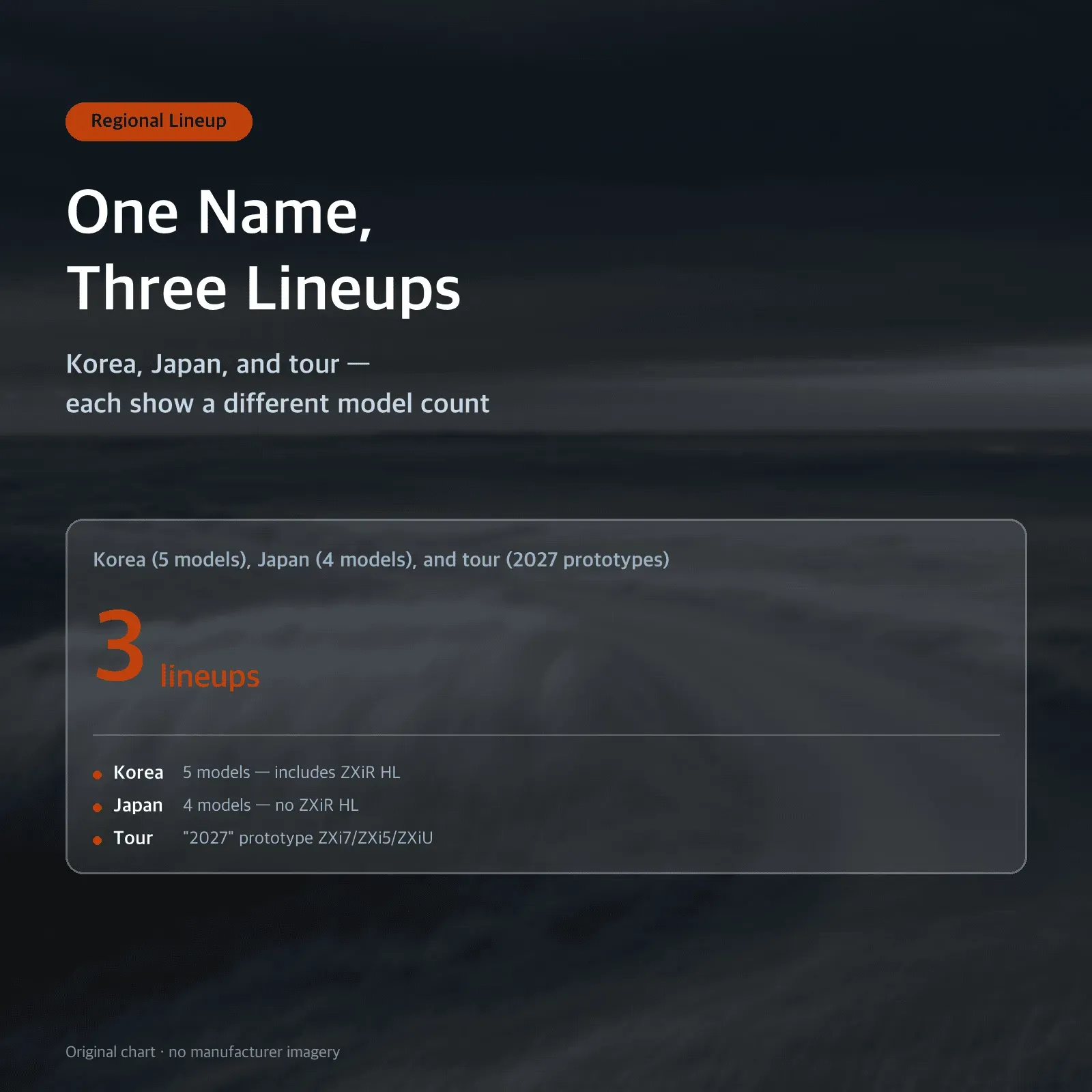
The Srixon ZXi lineup isn't one list. Korea, Japan, and tour each show a different count, and overlaying all three changes what 'current lineup' means.
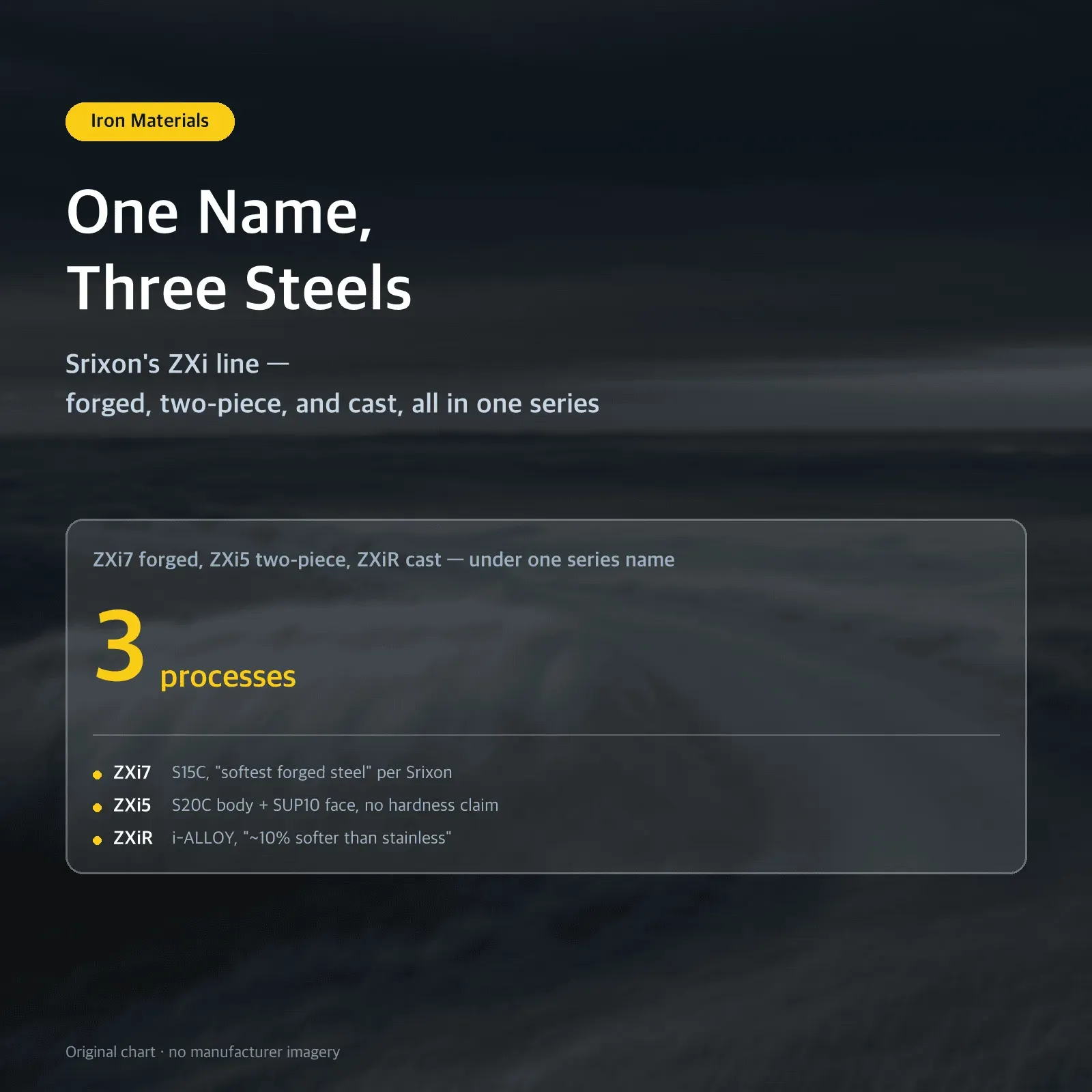
ZXi7, ZXi5, and ZXiR share a name, but forged, two-piece, and cast construction mean three different manufacturing philosophies in one series.
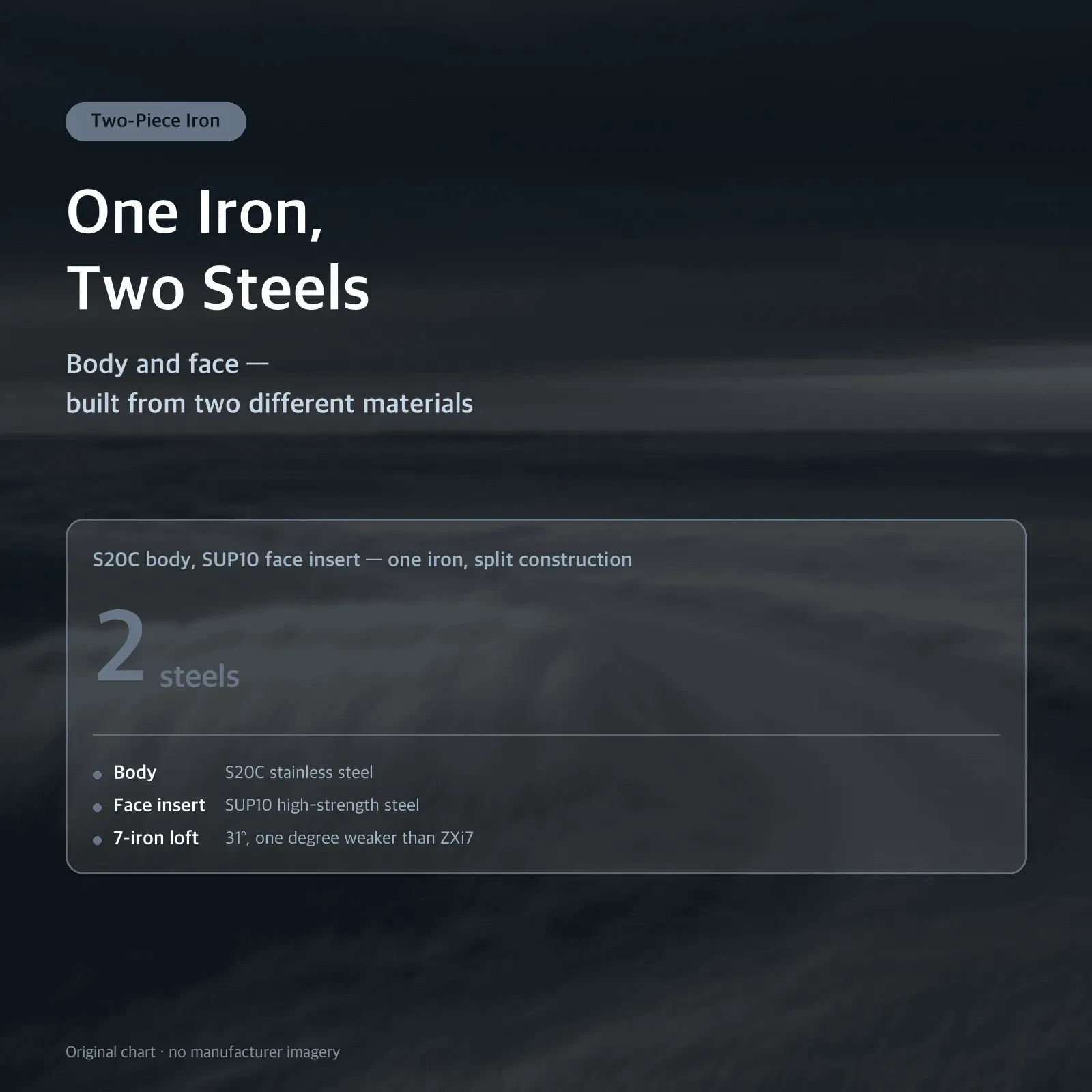
Iron heads are usually one material. ZXi5 splits body and face into two steels, between ZXi7's forged build and ZXiR's cast, new-material approach.
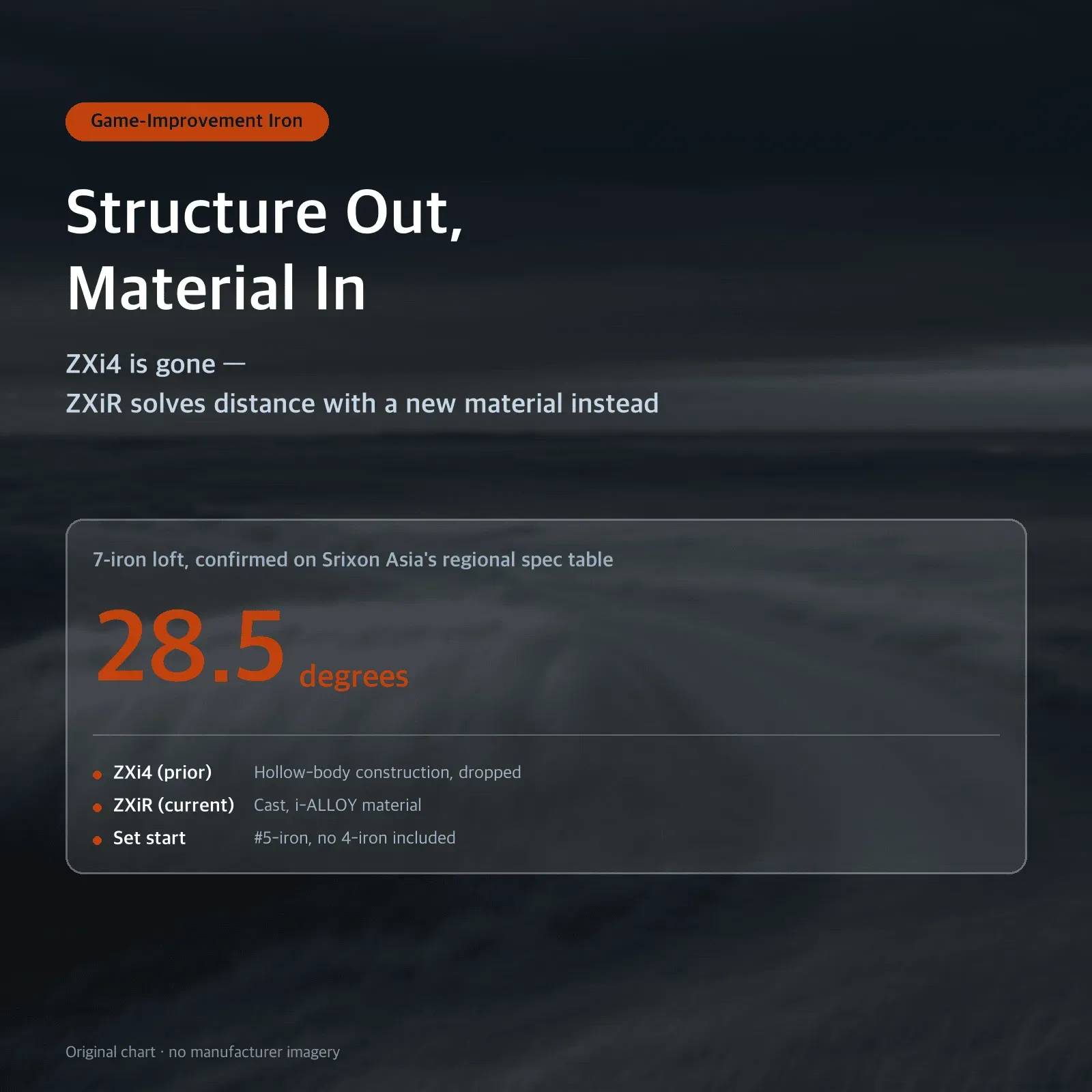
Srixon's ZXi4, a hollow-body iron, dropped from the lineup. Its replacement, ZXiR, adds distance via a new material instead of a hollow structure.
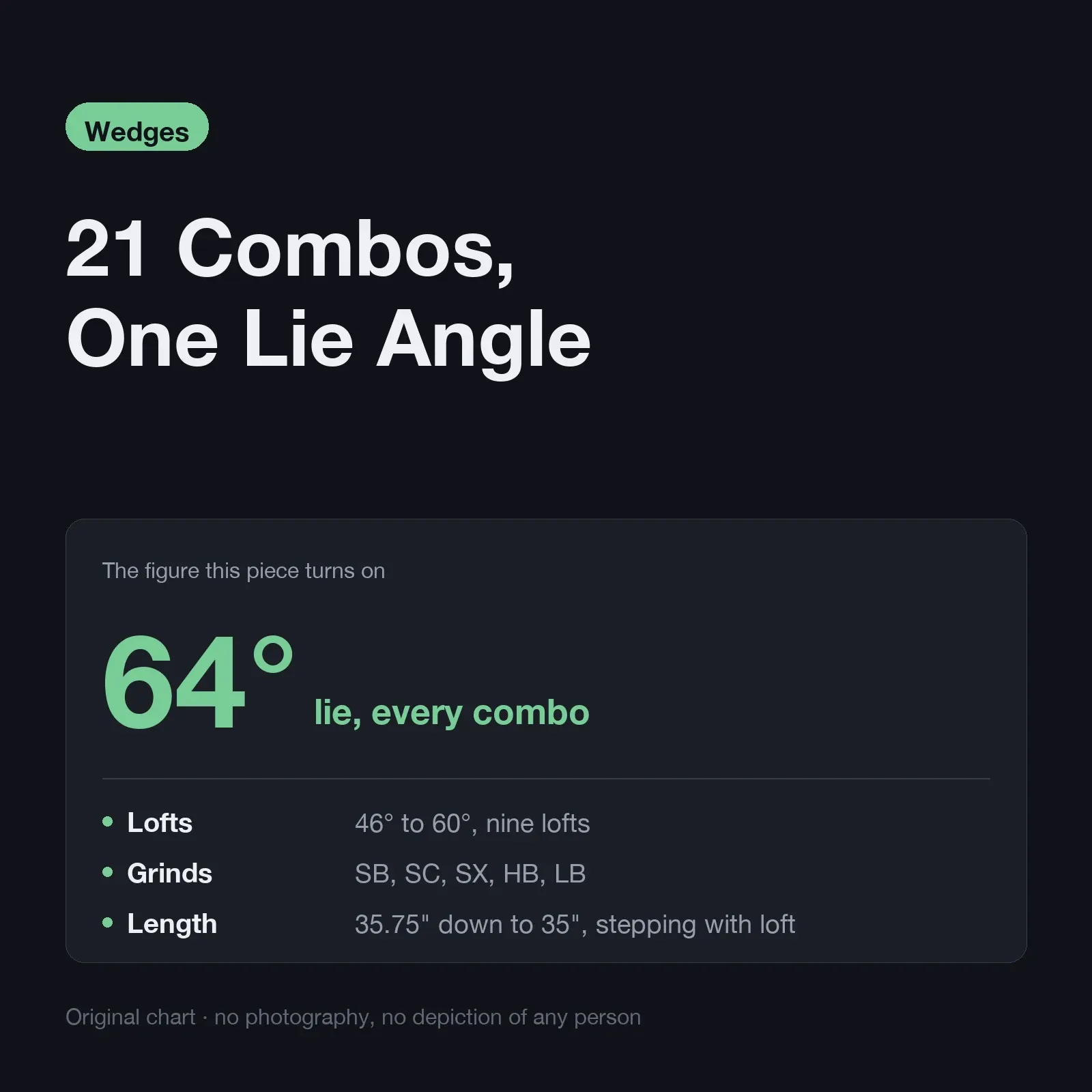
TaylorMade MG5 spans 21 combos across five grinds — and the published table shows lie is a flat 64 degrees on every one of them.
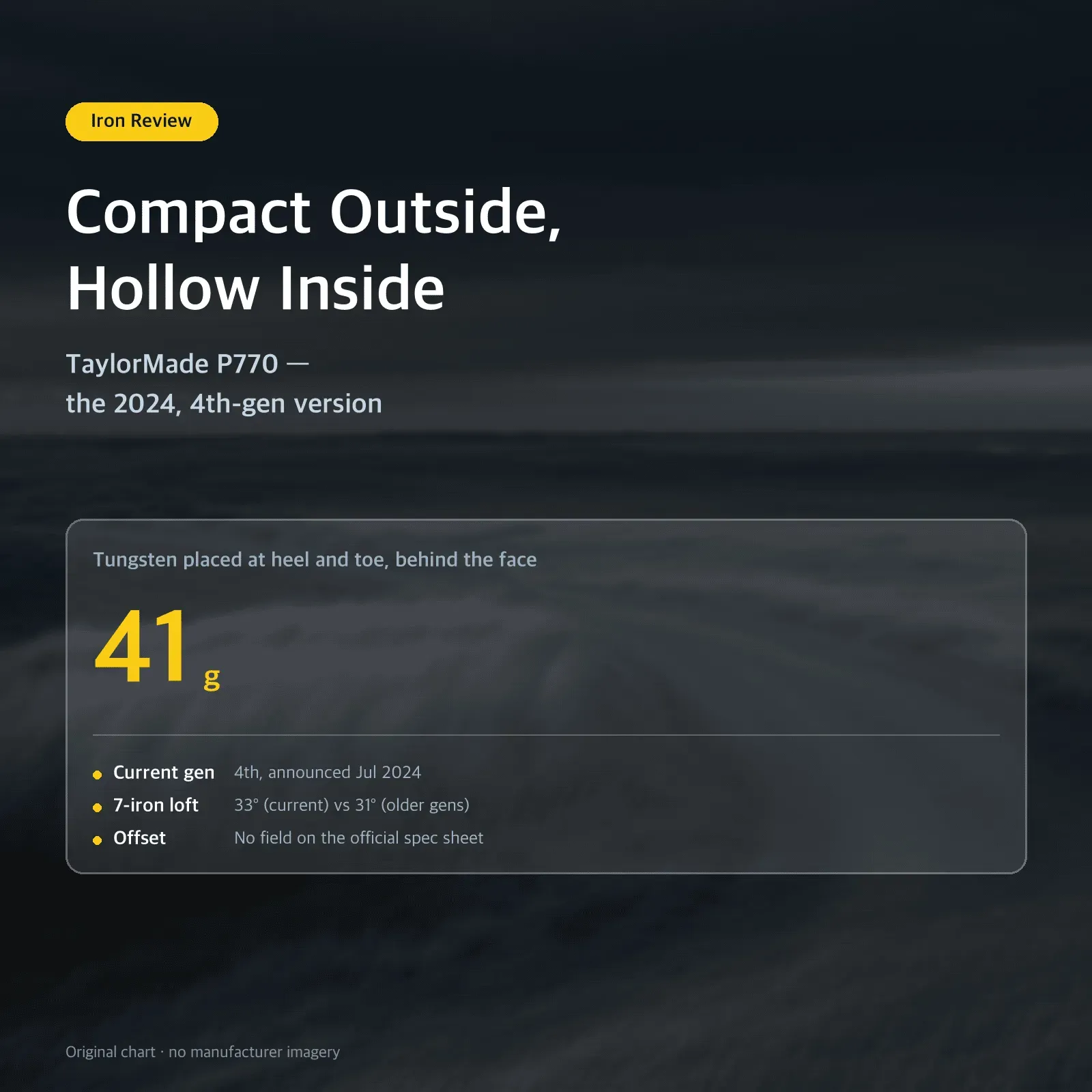
P770 looks like a pure player iron, but it is hollow with tungsten inside. See the confirmed specs and the 2-degree loft gap between generations.
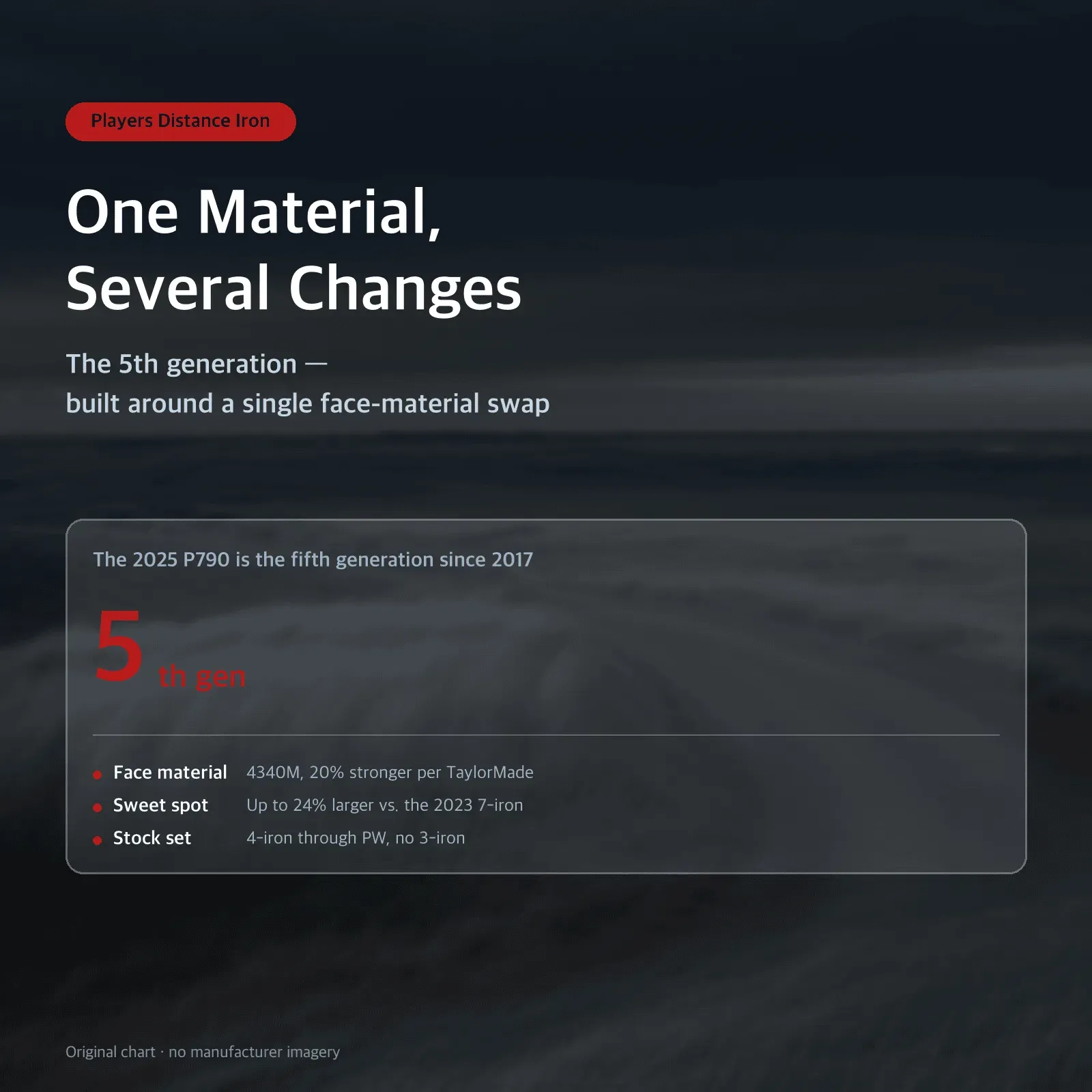
The P790 popularized the 'players distance iron.' The 2025 5th-gen changed one thing at its core — face material — and that pulled several others with it.
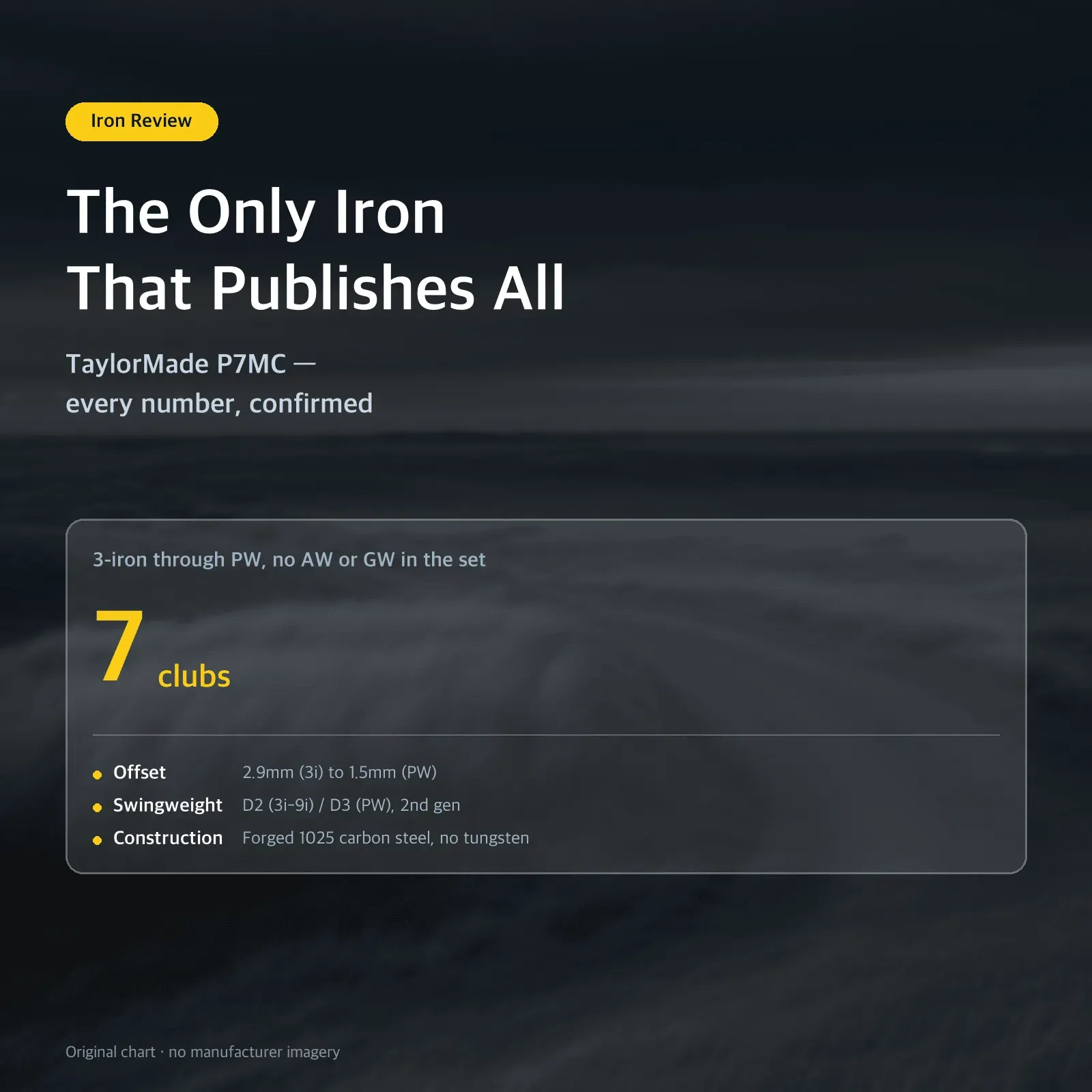
P7MC specs online mix two generations with conflicting claims. This piece separates what is confirmed on official spec sheets from what is not.
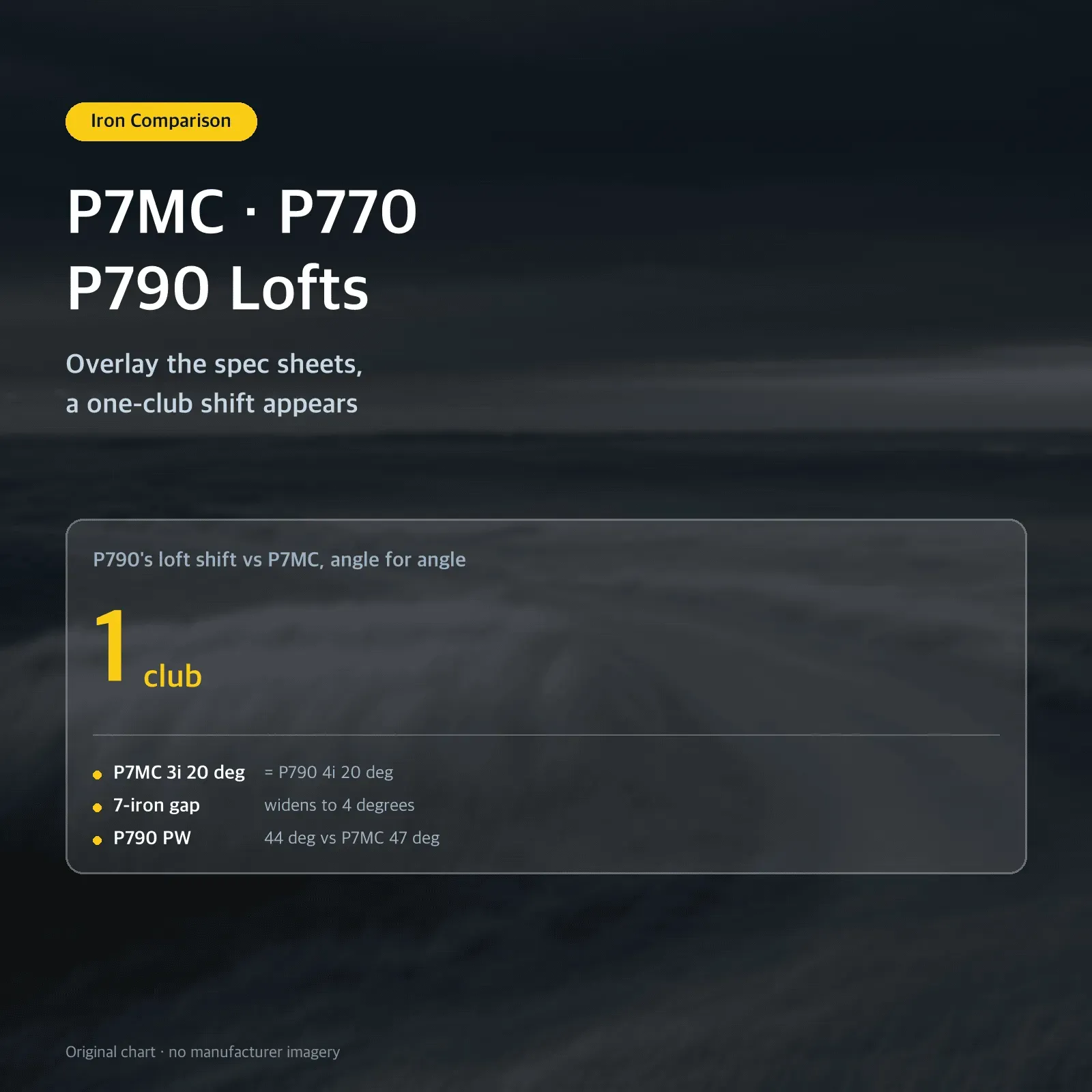
Overlay TaylorMade's official P7MC, P770, and P790 spec sheets and one pattern emerges: the loft gap isn't performance, it's a one-club shift.
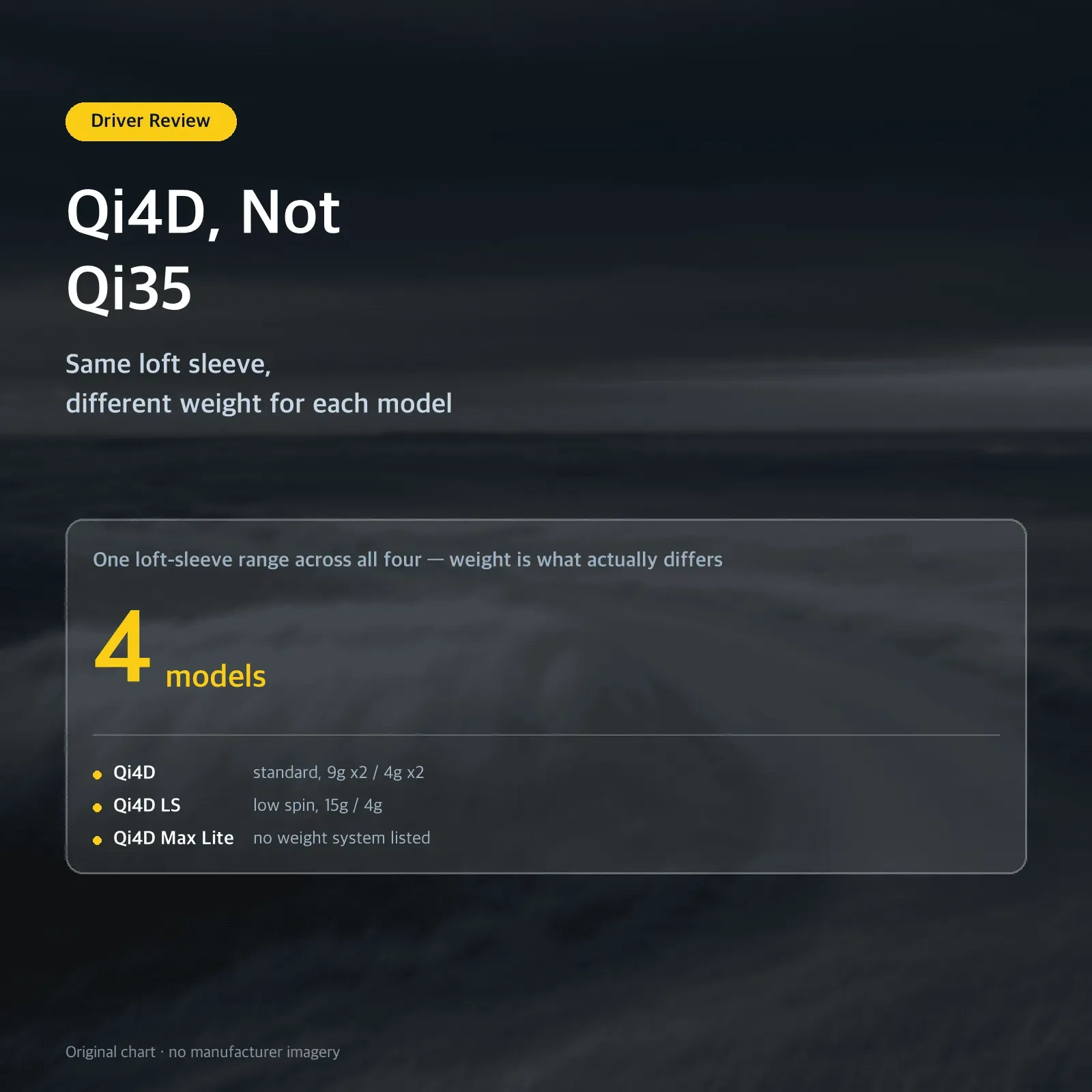
TaylorMade's current driver is the Qi4D, not the Qi35. All four models share one loft-sleeve range; weight, 9g to 15g, is what separates them.
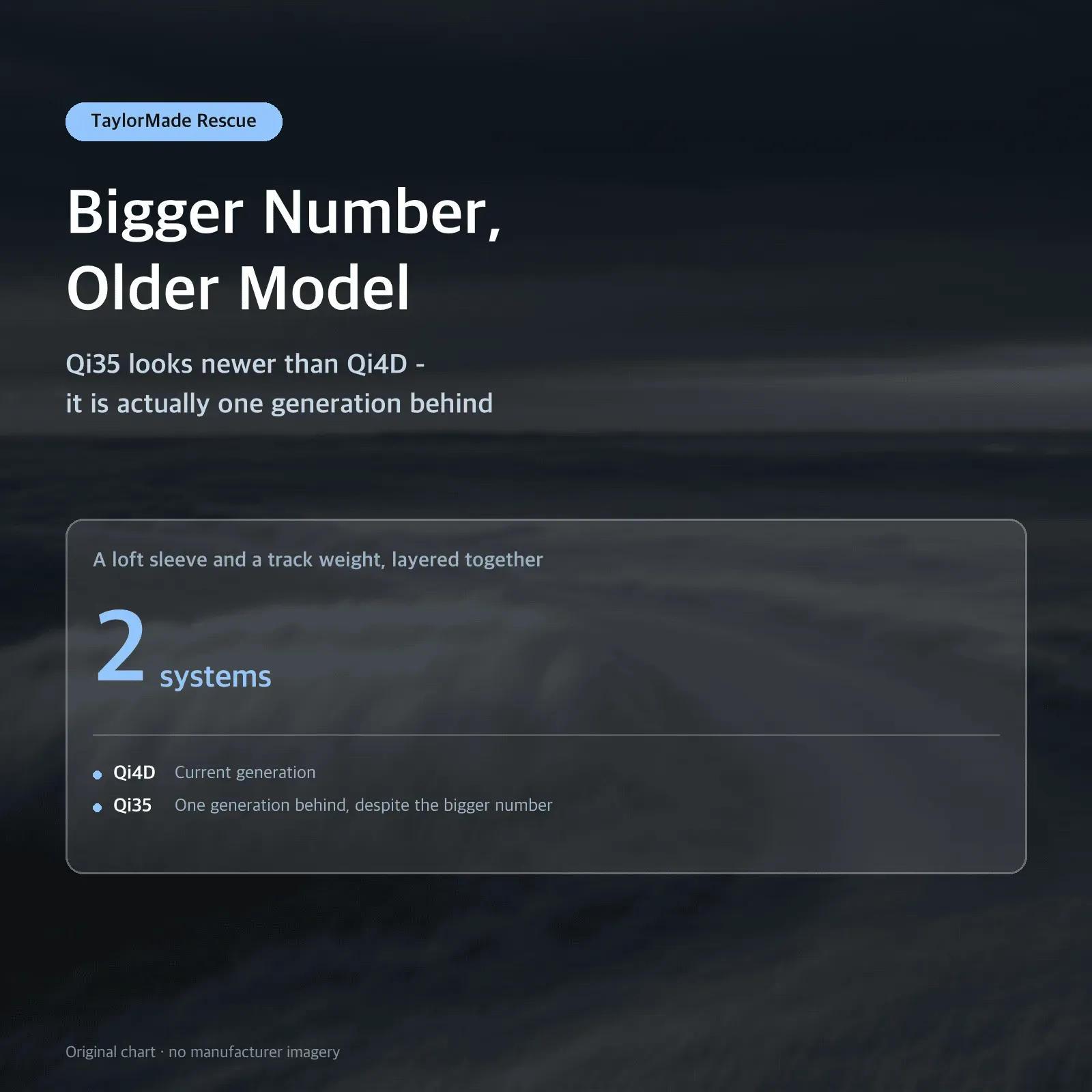
The Qi4D Rescue layers a loft sleeve on a moveable weight — but the bigger risk when buying one is mistaking the older Qi35 for the newer model.
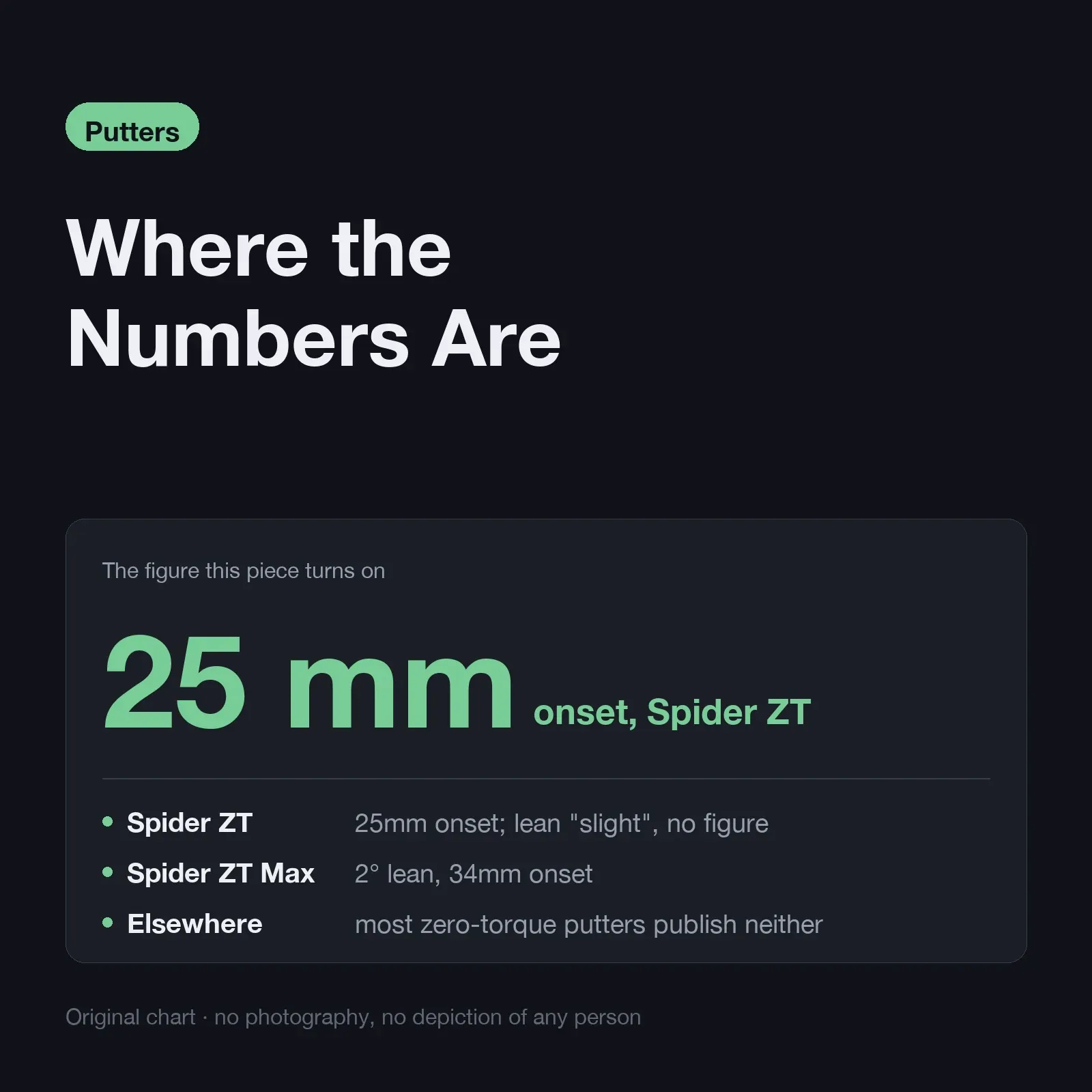
Zero-torque putters rarely publish figures. TaylorMade does — 25mm of onset on the Spider ZT, and 2 degrees of lean with 34mm on the ZT Max.
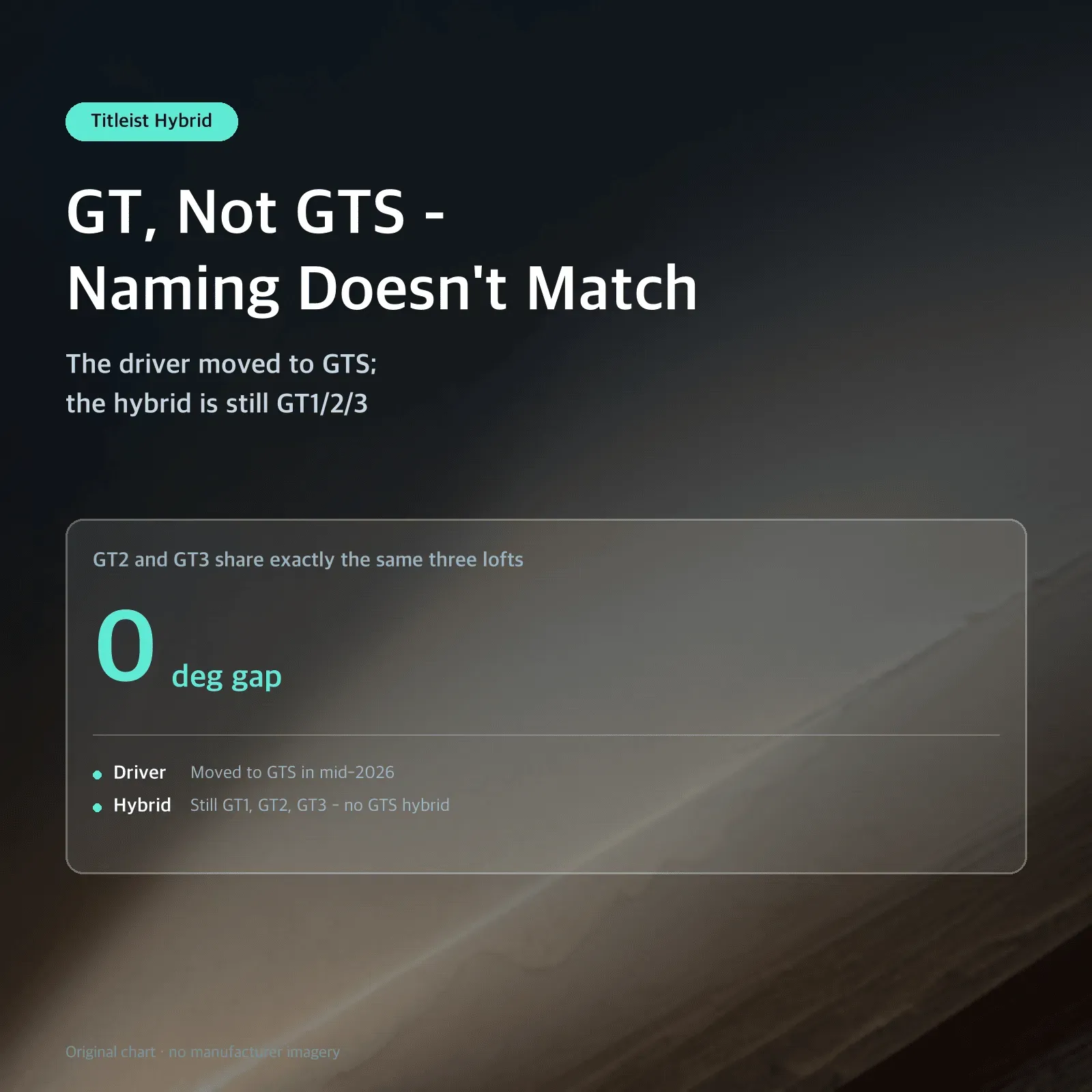
Titleist's driver switched to GTS in 2026, but the hybrid is still GT1/GT2/GT3 — and GT2/GT3 share identical lofts. Here's what separates them.
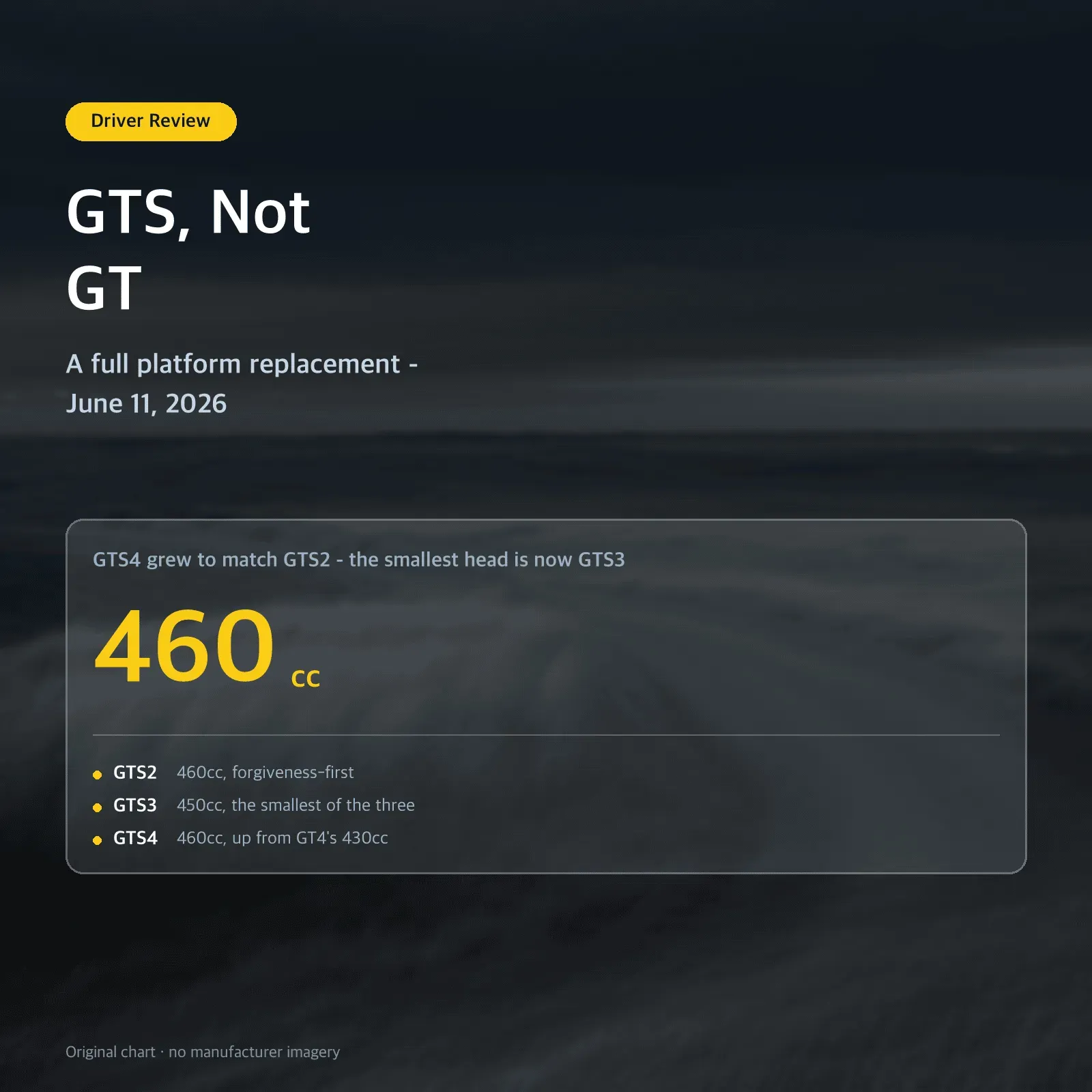
Titleist replaced GT with GTS in June 2026. The low-spin model got bigger, not smaller — the opposite of what the prior generation's pattern predicts.
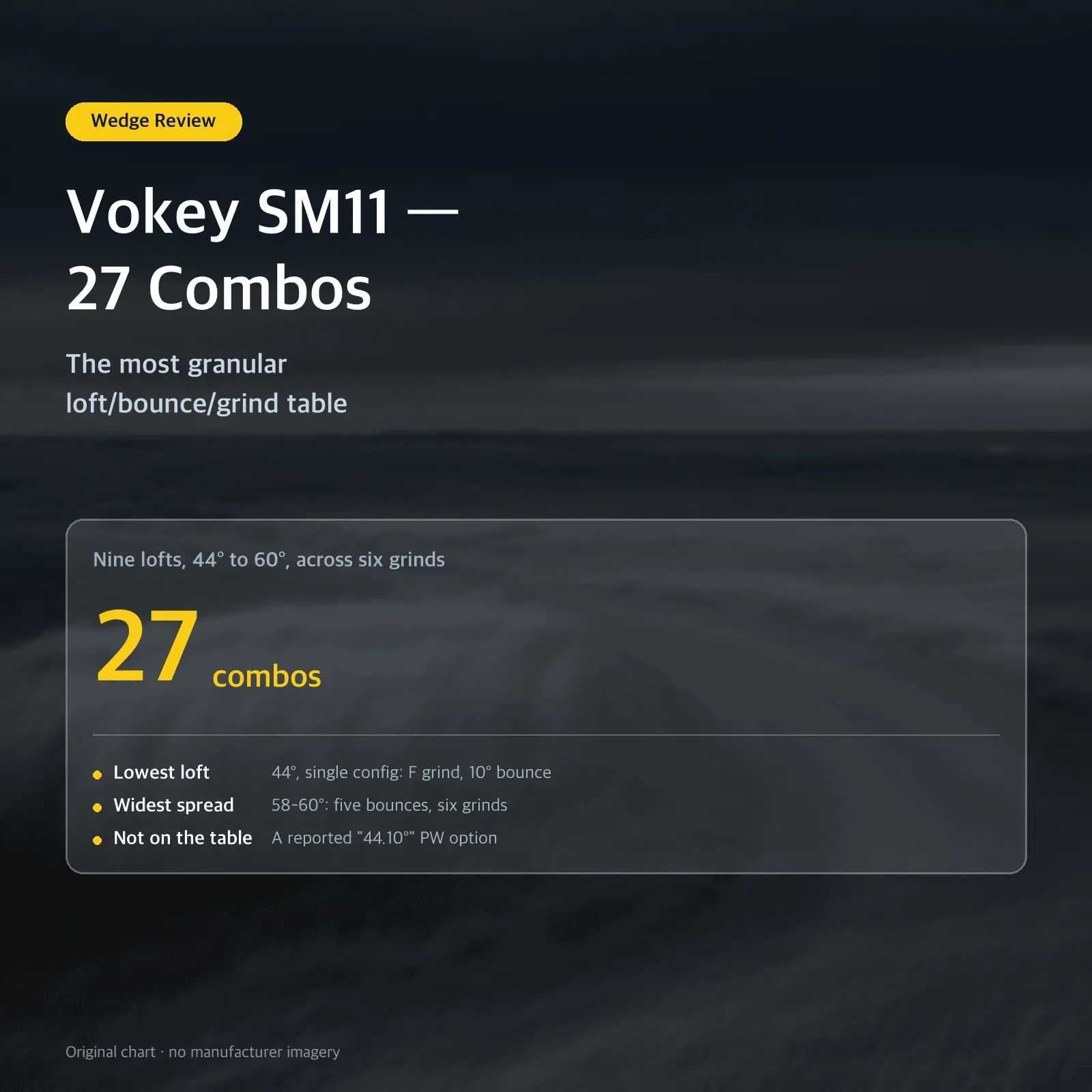
Vokey SM11 spans 27 official loft/bounce/grind combos across nine lofts — and 44.10 is not a new option, it is the model code for the 44 degree wedge.

Vokey SM11, MG5, Opus SP+, PING s259, and Cleveland RTZ overlaid on loft range and spec disclosure — the real gap is what each brand publishes.
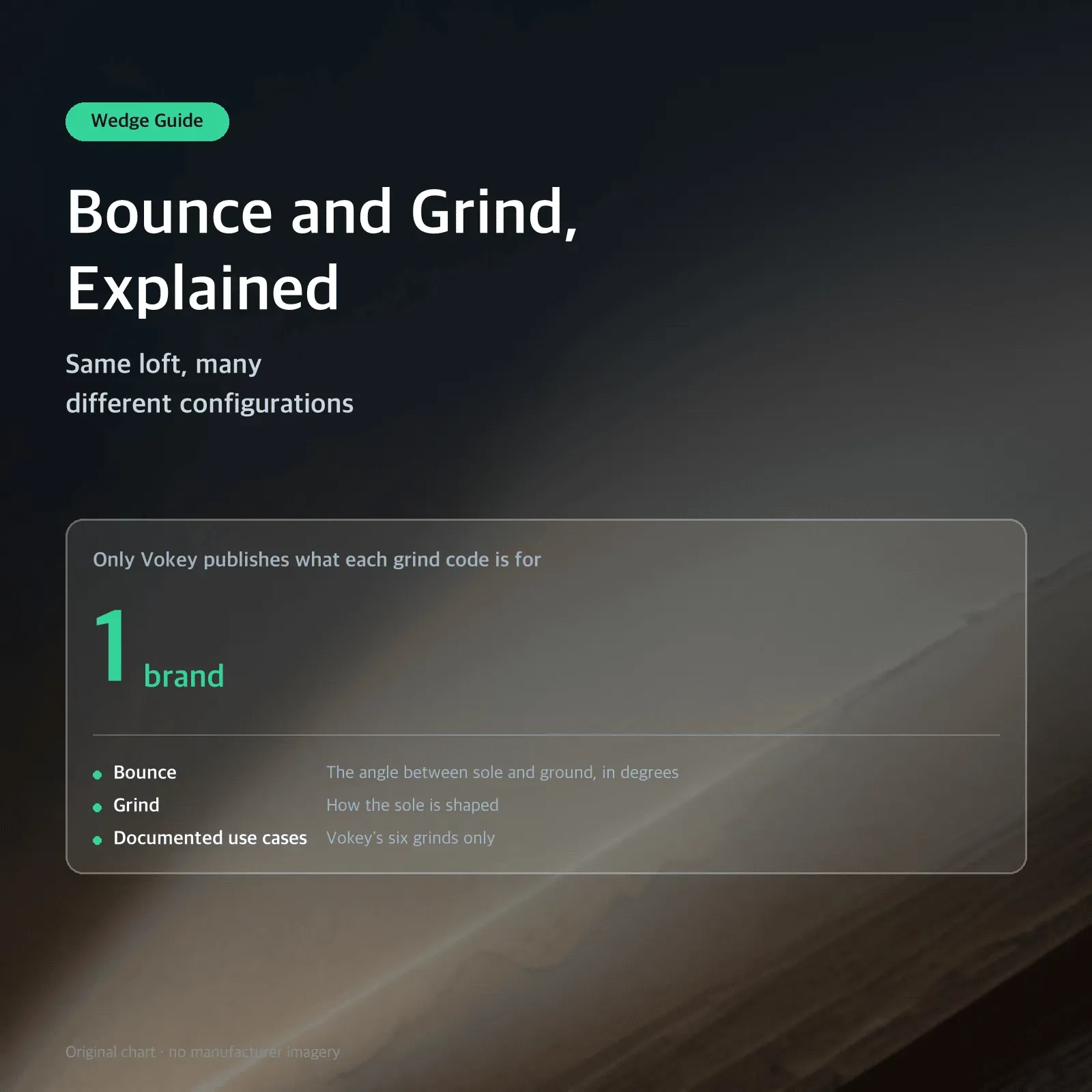
Same loft, many configurations: bounce and grind are the two axes behind it. Only Vokey publishes what each grind code is for.
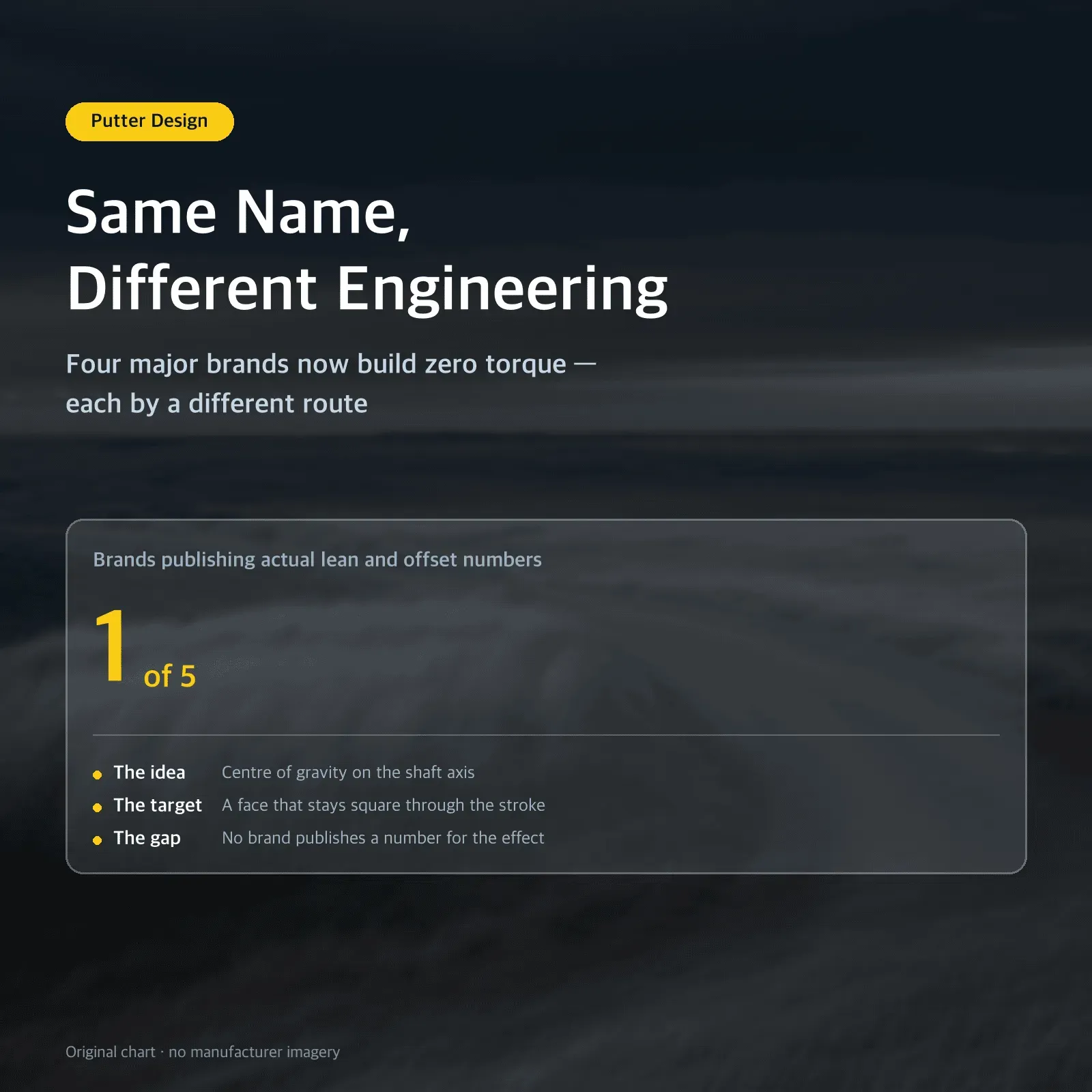
Zero torque was one small brand's idea. Now Odyssey, TaylorMade, Scotty Cameron, and PXG all build it, each solving the same physics differently.

Most major brands built a zero-torque putter after L.A.B. Golf pioneered the design. One notable brand did not, and says its approach is better.